


Introduction
Have you ever wondered why two shops with the same machines can have wildly different output? I see it all the time on the floor: one line hums along, the other sits idle. Recent shop-floor surveys show unplanned downtime often eats up 15–30% of scheduled hours (and yes, that number stings). vertical machining center manufacturers face pressure to close that gap while keeping costs down — so what really separates the winners from the rest?
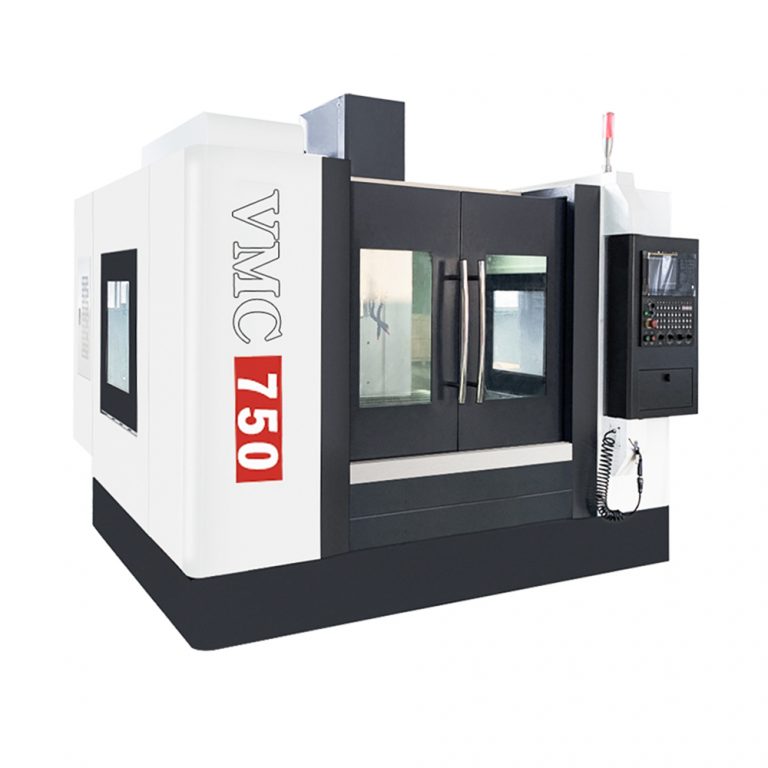
I’ll be blunt: the answer isn’t a single magic upgrade. It’s a mix of control choices, tooling strategy, and how teams handle maintenance. In the next sections, I’ll compare what typically goes wrong, dig into where users secretly lose time, and point to real, practical fixes. Let’s move from the question to the comparison — step by step.
Hidden Flaws and User Pain Points in 5 Axis VMC Supply Chains
I want to tackle one hot topic up front: the supply-side mismatch. When shops buy from a 5 axis vertical machining center factory, they often expect plug-and-play performance. What they get instead is a long list of small friction points — wrong fixturing, suboptimal tool paths, and unnoticed thermal drift. Those things add up. I’ve watched a cell lose 20 minutes per shift because the tool changer hung up at random. Look, it’s simpler than you think: small mechanical or software gaps create big scheduling headaches.
Why do common fixes fail? First, vendors push standard packages with default spindle speed maps and conservative feed rates, assuming one size fits most. Second, shops underinvest in diagnostic tools; they treat a coolant system leak like a nuisance rather than a signal. Third, G-code hand edits create obscure conditions that only show under load. The result: frequent minor stoppages that don’t get logged — and so they never get fixed. I’ve learned to ask direct questions on the first site visit: what’s your mean time between interventions? How often do you back out a program because of chatter?—funny how that works, right?

Why does this matter now?
Because margins are tighter, and suppliers must prove they lower total cost of ownership, not just sell a machine. If you’re evaluating a vendor, watch how they handle spare parts, how they document spindle speed limits, and whether they offer in-field tuning for rigidity and thermal compensation. These are the small things that decide if the machine is truly productive.
New Technology Principles for Future-Ready Vertical Machining Centers
Here’s where I get optimistic. New tech approaches aren’t just shiny features; they change how we compare suppliers and measure performance. I’m talking about smarter toolpath algorithms, better sensor fusion, and adaptive control that tweaks feed rate and spindle speed on the fly. When a cnc vertical machining center supplier offers these capabilities, they enable predictable cycle times and fewer scrap parts. I’ve seen servo drives and inline force sensing cut setup trial-and-error by half.
What principles should you use to judge these systems? First: transparency. The control should expose logs and simple KPIs. Second: open tuning. You want real-time tweakability for spindle speed and feed without risking part quality. Third: support for predictive maintenance — not vague promises but clear metrics from vibration sensors and coolant monitors. These principles change buying decisions. They move discussions from “which motor is bigger” to “how fast can you detect an anomaly and avoid a crash.”
What’s Next — Practical Steps
So, how do we pick the right supplier today? I recommend three concrete evaluation metrics:
1) Mean Time to Recovery (MTTR) — measure how quickly the supplier’s support gets you back running after a stoppage. Short wins here are huge. 2) Cycle Time Consistency — not just best-case cycle time but variance across 50+ runs. Less variance means better planning and less idle time. 3) Diagnostic Fidelity — does the machine report meaningful alarms with timestamps and suggested fixes? If the logs are vague, you’ll chase ghosts.
I’ll be honest: I use these metrics when I advise shops. They cut through marketing fluff and force a supplier to show proof. Try them in your next RFP — compare apples to apples. And if you want a practical partner who understands those exact metrics, check out Leichman. We’ve seen what works, and we’ll share what we learn — candidly, and without the buzzwords.
