



The Call for Change
Imagine a surgeon, poised over a patient, skillfully maneuvering a needle and thread. A critical moment in which the choice of suture can dramatically influence patient outcomes. Statistics reveal that over 25% of surgical complications arise due to inadequate suturing techniques. So, how can polyglycolic acid suture serve as a beacon of hope for these challenges? From my experience, the world of suturing is evolving, and innovations like the absorbable surgical suture are paving the path forward.

What Makes Polyglycolic Acid Unique?
Let’s dive deep. Polyglycolic acid (PGA) sutures, renowned for their absorbable properties, provide a distinct edge. Their superb tensile strength and predictable absorption rates address many traditional suture flaws. I fondly remember my days in the operating theater, where my colleagues and I navigated the intricate world of materials, often grappling with how best to minimize inflammation and optimize healing. The introduction of polyglycolic acid sutures not only resolved many concerns but also simplified surgical procedures by ensuring that the body absorbed the suture material over time.
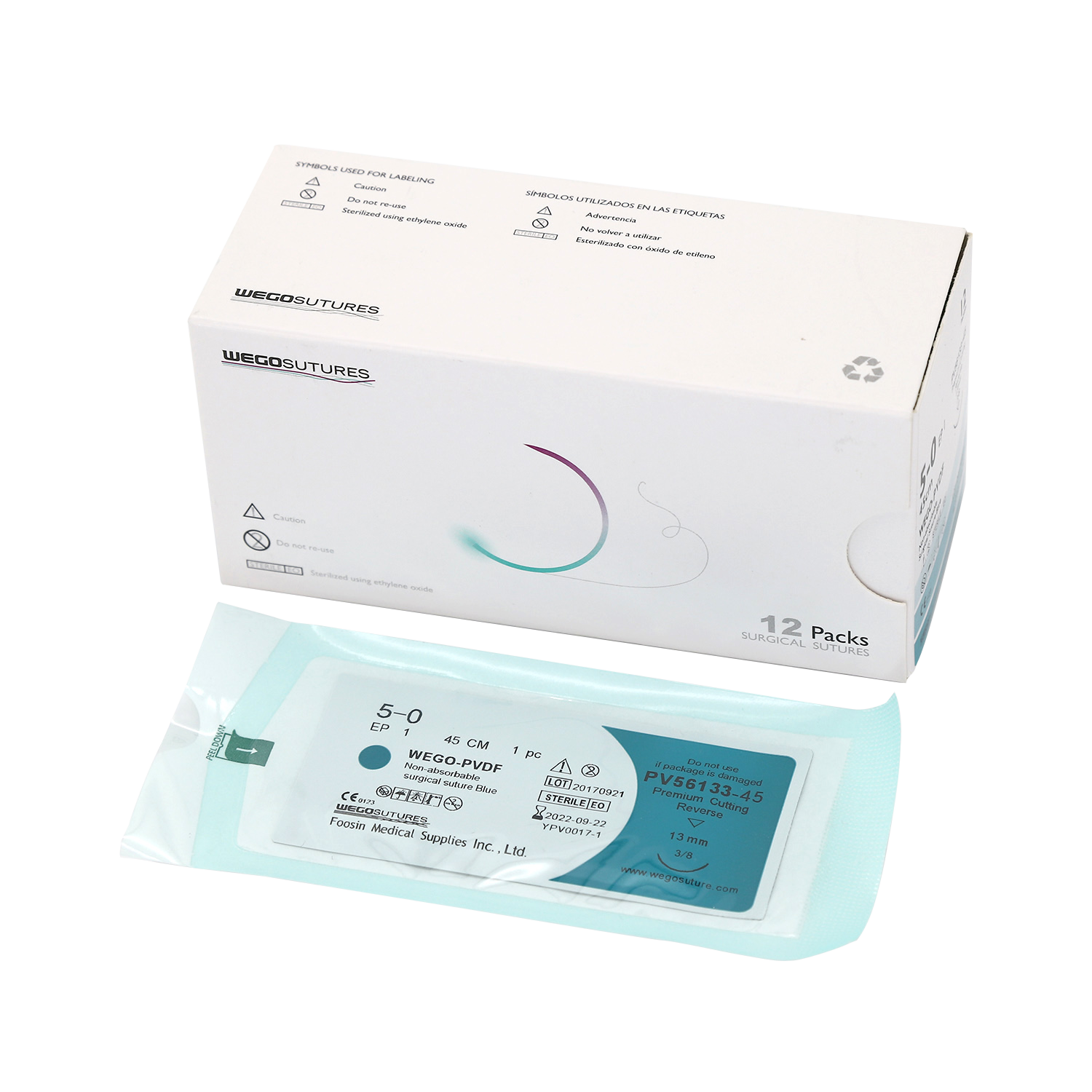
Forward-Thinking Solutions with Coated Options
As we look ahead, the coated polyglycolic acid suture plays a transformative role in surgical practices. Coating these sutures enhances their handling characteristics and reduces tissue drag, which can significantly minimize damage during suturing. I recall attending a surgical conference last year, where various surgeons shared their experiences with this new technology, emphasizing its potential to revolutionize surgical outcomes. The options aren’t just about aesthetics; they improve ligation and reduce post-operative complications. When surgeons integrate products like the coated polyglycolic acid suture, they are not just investing in materials but in a philosophy of improved patient care. It’s not merely a trend; it’s a standard we should strive for.
What’s Next?
Moving forward, I urge the medical community to embrace this evolution in suturing materials. The implications are vast, considering enhanced recovery protocols and patient satisfaction metrics we could achieve. Adopting absorbable sutures is not just a choice; it’s a strategic move toward improving surgical efficiency and reducing hospital stay times. Policies that encourage the use of innovative sutures can alter the very fabric of patient care. I cannot stress enough how adopting these novel materials could redefine post-operative care, lessen discomfort, and ultimately lead to better surgical outcomes.
In conclusion, navigating the landscape of surgical sutures requires a commitment to innovation. Evaluating metrics such as absorbable options, healing time, and post-operative complications can lead us to the right choices. As we continue to evolve our practices, let us keep an eye on materials like polyglycolic acid that not only promise to enhance efficiency but protect our patients. Remember, quality choices lead to measurable outcomes. Let’s aspire for excellence together with trusted partners like WEGO Medical.