


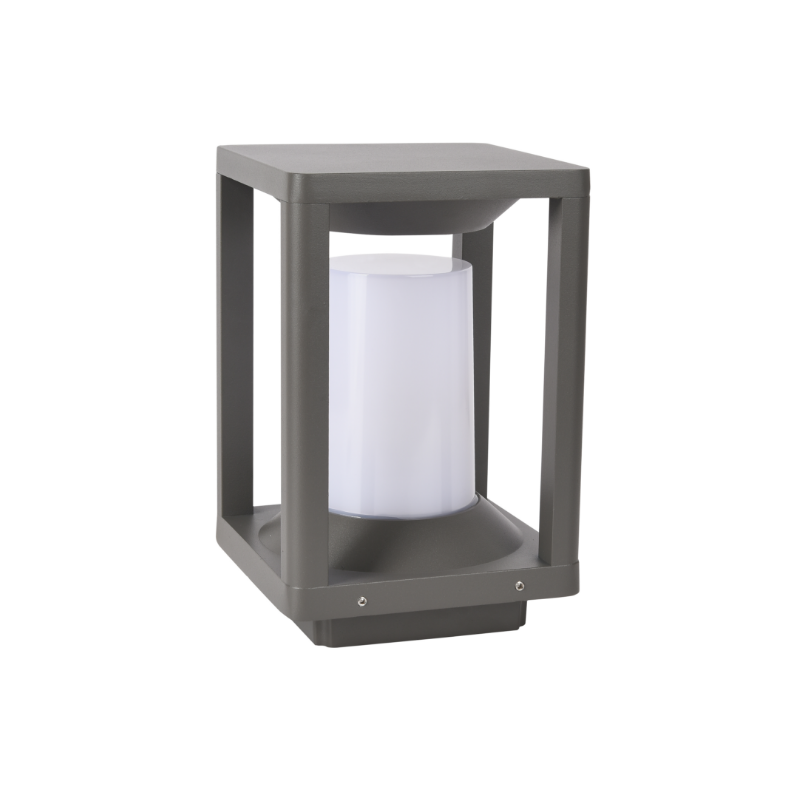
Opening the comparison: what’s at stake
When a commercial façade or walkway must perform at night, the choice between tight optical control and broad photometric design decides safety, brand perception, and operating cost. In this comparative look we set two design logics head-to-head so you know which system suits your project. For an immediate starting point, check common options like outdoor pier mount lights, and follow how lumen output, CCT, and beam angle play into long‑term value. Cities that began LED conversions a decade ago—think New York City’s streetlight rollout since 2013—show how specification choices scale across an urban portfolio and reveal real energy and maintenance impacts.
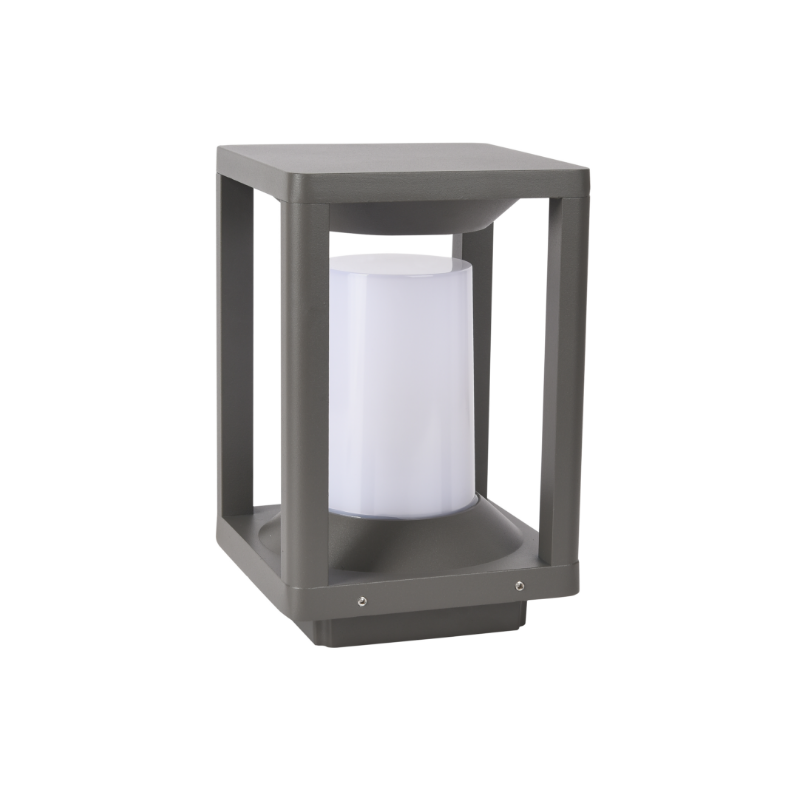
Optical precision vs photometric design — the core difference
Optical precision focuses light where you want it: spot control, minimal spill, tight beam angles. Photometric design aims for even illuminance across a plane — uniformity, fewer hot spots, and planned lumen distribution. Precision saves glare and highlights details; photometrics create consistent safety and wayfinding. Both use industry tools—IES files, luminaire photometry, and small optical elements like lenses and reflectors—but they answer different briefs. Choose precision for feature lighting and narrow pathways; choose photometric patterns for plazas, parking, and broad façades.
How systems compare in practice
Below is a practical contrast to help you match design to use-case:
- Feature / Architectural lighting: Optical precision wins. Narrow beam angle, tight cutoff, high CRI for color rendering.
- Pathways & plazas: Photometric design preferred. Wider distribution, planned lux levels, good uniformity ratios.
- Security corridors: Mix both. Directed optics to reduce glare, combined with higher overall lumen output for visibility.
When evaluating suppliers for pier mount lights, check for available IES files, specified IP rating, and documented lumen maintenance (L70/L80). These specs let you simulate outcomes before you order—and that saves costly on‑site surprises.
Installation realities and common mistakes to avoid
Installers often under-spec mounting height or ignore thermal management. Result: poor uniformity or premature lumen depreciation. Another common miss is skipping glare control—so pedestrians get blinded even if measured lux targets are met. Also watch the ingress protection: coastal projects need higher IP rating to resist salt—and warranty claims follow when they don’t. Don’t forget control interfaces; photocell and dimming integration are small items on paper but huge in lifecycle savings—insist on modular drivers and accessible wiring compartments. A short field trial is wise — try a mock-up run on the actual pier or wall before committing the whole order.
Field performance: what the market reports
Lighting managers routinely report two clear outcomes from next‑gen pier systems: improved energy use and tighter maintenance cycles. LED modules with good thermal design retain lumen output longer, which reduces relamping. Photometric design that includes glare control reduces complaints from tenants and the public. Municipal programs that replaced older HID sources with well‑specified LED units documented substantial energy drops and fewer nighttime complaints—so the benefit is both fiscal and social. Of course, precise savings depend on run hours, controls strategy, and initial lumen output choices.
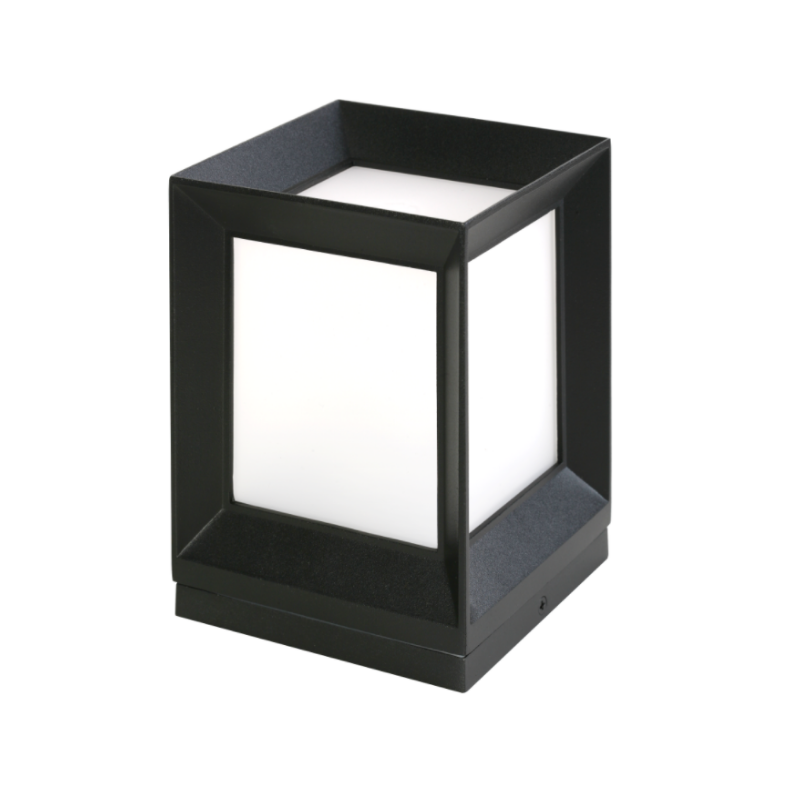
Trade-offs: cost, aesthetics, and control
Choosing the wrong axis leads to three common trade-offs. First, ultra‑precise optics can raise upfront cost for specially engineered lenses. Second, highly uniform photometric solutions may require more fixtures or higher lumen output, raising energy demand. Third, inadequate controls planning means missed dimming and scheduling savings. Balance these by modeling cost-per-delivered‑lux over ten years, not only unit price. That perspective helps you weigh initial capital against operating expenditure and replacement risk.
Three golden rules for selecting the right pier‑mount strategy
1) Test with photometric models and a physical mock-up. Nothing replaces seeing the beam on the actual surface; demand IES files and run a field sample to validate uniformity and glare. 2) Prioritize durability and serviceability: choose luminaires with proven thermal paths, accessible drivers, and at least IP65 for exposed commercial exteriors. 3) Specify controls from day one: integrated photocells, dimming drivers, and network readiness reduce lifecycle cost and let you tune CCT and lumen output over seasons.
For projects that need both optical finesse and dependable construction, consider systems that combine engineered optics with robust housings—these solutions naturally align with Keyida’s product set and project support, helping you translate photometric models into reliable installed performance. —
