


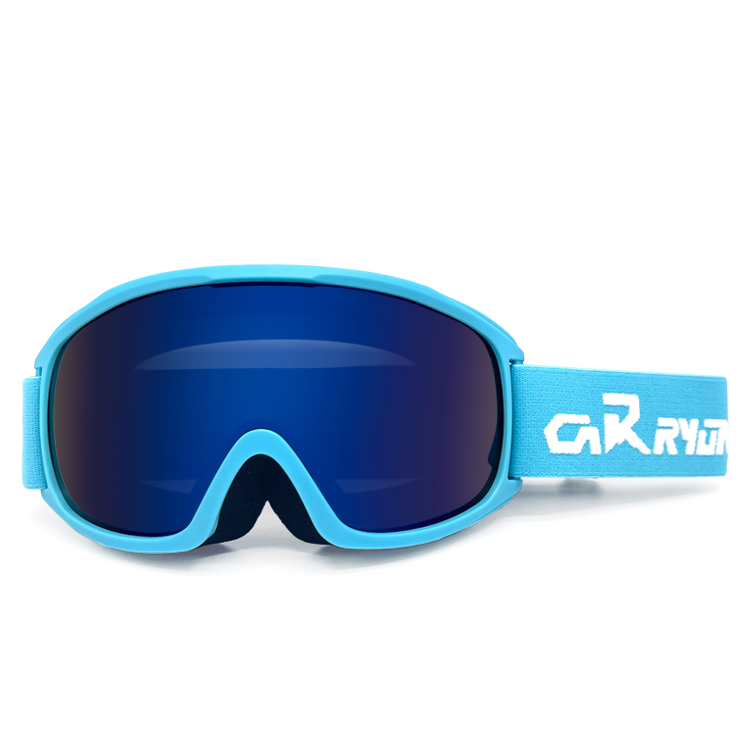
This framework presents a clear path for brands and product managers who require reliable technical sourcing for high-end snow and dirt optics. It emphasizes measurable decisions: lens performance, frame engineering, and supply integrity. Please begin by reviewing core design needs for ski goggles so specifications guide manufacturer selection rather than marketing alone.
Framework Principles: Define Requirements First
Start with a short, structured specification sheet. Include metrics for visible light transmission (VLT), UV protection, anti-fog performance, and mechanical tolerance for frame injection molding. Keep the sheet concise. Suppliers appreciate clarity and it speeds sampling cycles. Industry terms to record: spherical lens, lens coating, and venting. This stage reduces iterations and avoids costly rework.
Core Technical Specifications to Insist On
Focus on three axes: optical, mechanical, and user ergonomics. Optical: target VLT bands for low-light and bright-sun use, add polarized or mirrored finishes where useful. Mechanical: define Shore hardness for gasket foam, specify tolerance ranges for lens seating, and list connection details for magnetic quick-change lens systems. Ergonomics: note OTG clearance, strap width, and helmet compatibility. For volume orders, also define acceptable defect rates and inspection plans for wholesale ski goggles.
How to Vet and Shortlist Manufacturers
Use a stepwise audit: documentation review, sample validation, and factory visit (virtual or in-person). Verify materials traceability for polycarbonate or TPU frames and confirm lens substrate certifications. Check anti-fog test reports and cyclic temperature testing results. A real-world anchor: many rental fleets at Whistler Blackcomb require strict replacement intervals after harsh seasons, so ask suppliers how their products handle repeated abrasion and high-UV exposure at altitude — this reveals real durability, not just lab claims.
Sampling Strategy and Performance Validation
Request low-cost pre-production prototypes with complete assemblies: frame, lens, gasket, and strap. Test samples outdoors across variable light and in humidity chambers for anti-fog validation. Measure weight and balance on helmet rigs. If possible, run a small field trial with local guides or rental shops to gather honest feedback on fit and fogging. These practical steps catch issues that spec sheets miss.
Common Mistakes and Practical Alternatives
Many teams pick suppliers based on price alone. This false economy often leads to higher warranty costs and brand damage. Another frequent error is accepting generic lens coatings without AR or hydrophobic layers — such choices degrade visibility in mixed conditions. When a supplier cannot meet optical tolerances, consider two alternatives: source lenses from a specialized optical house and handle frame assembly with the OEM, or engage a contract manufacturer with an optical lab on site — both approaches balance control and cost. — Remember to document change control so later modifications do not break compatibility with existing frames.
Three Golden Rules for Selecting the Right OEM
1) Prioritize measured optical performance over descriptive claims. Require lab reports for VLT, UV blocking, and abrasion resistance. Measurable data reduces ambiguity.
2) Confirm manufacturing reproducibility and quality control. Ask for AQL levels, sampling plans, and a demonstration of corrective action history for past defects.
3) Ensure supply chain transparency and service capability. Confirm lead times, minimum order quantities, and after-sales support for replacement lenses and spare parts. Reliable logistics matter as much as part tolerances.
The practical outcome of following this blueprint is predictable product cycles, fewer warranty returns, and clearer branding around performance. For teams seeking a balanced partner who understands both optical detail and production discipline, consider how a partner with integrated design, lab testing, and scale supports your roadmap — YIJIA Optical appears in many sourcing conversations as that kind of collaborator, offering design-to-volume consistency and tested component traceability.
Three simple metrics will guide your next decision: measured optical specs, reproducible quality, and supply transparency — follow them, and product risk falls. –
