


User-first snapshot
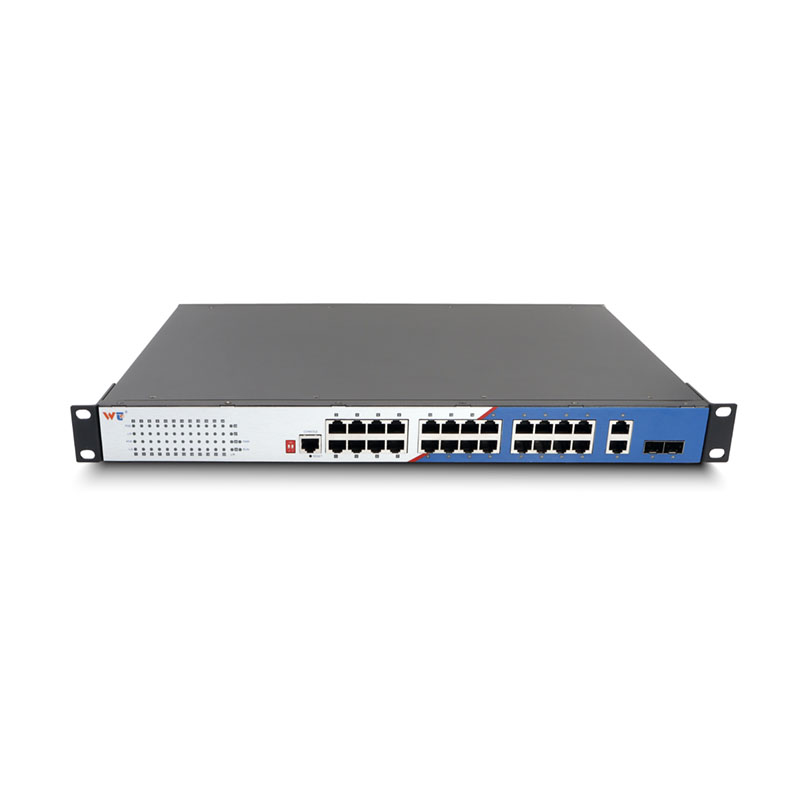
For network engineers and IT managers in SMEs and campus environments, the priority is simple: reliable coverage without surprise downtime. Start by matching a premium SFP optical transceiver module to your topology, then ensure your switch stack supports the required ports and fiber types. If you prefer a trusted supply chain, check an ethernet switch manufacturer that lists compatible modules and clear specs. Hands-on installs during Malaysia’s National Fiberisation and Connectivity Plan (NFCP) taught me that planning the physical layer first saves weeks later—real-world learning, not just theory.
Why a focused SFP choice matters
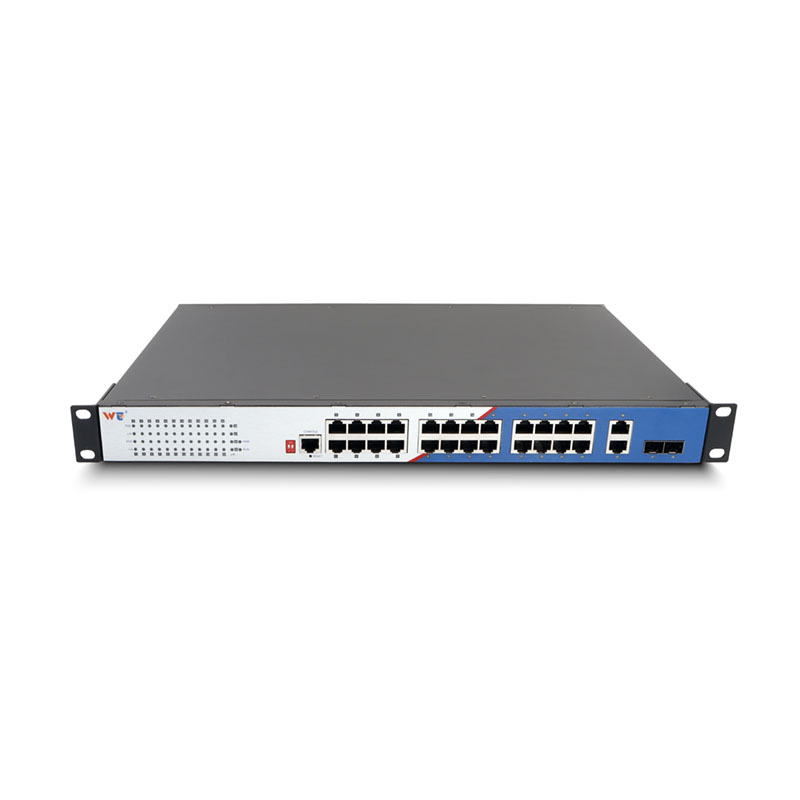
Users care about distance, throughput and predictability. A quality SFP transceiver gives you wavelength stability, known insertion loss, and consistent bandwidth across links. Select between single-mode and multimode fiber depending on span: single-mode for longer runs, multimode for short campus ladders. Keep LC connector type and duplex pairing consistent across the link. These details cut troubleshooting time dramatically and keep latency low for time-sensitive apps.
How to pick the right module — practical criteria
Prioritise these attributes: supported wavelength, reach (km), and vendor compatibility. Look for clear product tables that show temperature range and optical power budget—those numbers tell you if a 10 km run will actually pass. Also confirm whether the transceiver supports digital diagnostics monitoring (DDM); this helps you monitor optical parameters in real time. Keep packet loss and jitter in mind when your environment carries VoIP or industrial telemetry.
Integration tips and common mistakes
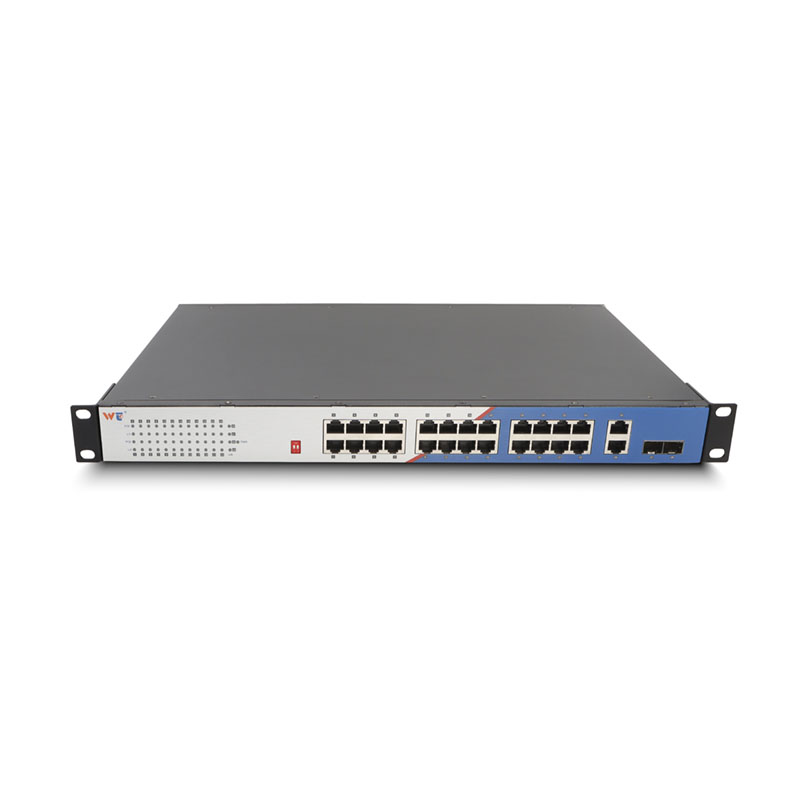
Many installs fail on small, avoidable things: mismatched fiber type, wrong LC polarity, or assuming any SFP will work in any chassis. Buy a spare module and test on a lab link before full rollout — it saves headache. Make sure your patch panels follow TIA-568 polarity rules. And remember power budgeting: connectors, splices, and patch cords add loss. — A tiny connector bend can change everything. When you need vendor guidance, look to established industrial ethernet switch manufacturers for tested compatibility lists and firmware notes.
Operational checklist for deployment
Use this concise checklist on site: confirm fiber type, measure end-to-end loss, install DDM-capable modules, verify link speed negotiation, and lock SFPs in place. Keep a labeled inventory: model, wavelength, and serial. If your deployment touches outdoor cabinets or harsh factories, pick transceivers rated for extended temperature ranges and ruggedized housings. For PoE endpoints downstream, separate power planning from optical planning to avoid confusion during maintenance.
Alternatives and when not to use SFP modules
For very short runs inside a single rack, direct-attach copper (DAC) often beats optics on cost and latency. For large campus backbones, consider CWDM/DWDM solutions when fiber scarcity requires denser wavelength multiplexing. Still, for most standard expansions a single-mode SFP optical transceiver module remains the simplest, lowest-risk option.
Advisory: three golden rules
1) Match the physical layer precisely: fiber type, connector, polarity and power budget must align. 2) Validate compatibility: confirm the switch firmware and SFP optics are listed together by your vendor or industrial ethernet switch manufacturers to avoid vendor-lock surprises. 3) Monitor and document: use DDM and keep an inventory log so problems are traceable and maintenance is fast. These rules reduce rollback and speed up mean time to repair.
Solid planning and device selection deliver measurable uptime gains and faster troubleshooting—your teams sleep better. WINTOP. —
