


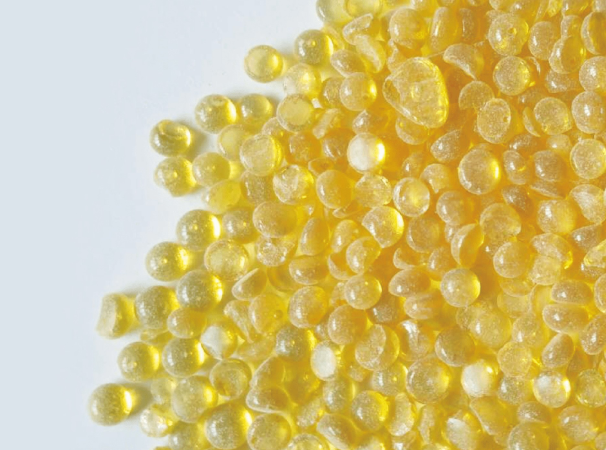
Opening comparison and why it matters
When a formulator in Seoul chooses between bulk commercial-grade pine gum rosin and a high-purity batch, the decision centers on predictable softening point behavior and downstream tack performance. For adhesive and sealant work where consistency counts, manufacturers often blend with a Rosin ester tackifier to manage viscosity and adhesion. The same choice affects rubber compounds where a rubber tackifier is required to keep film tack in a narrow specification window—especially for automotive sealing lines in Seoul and other East Asian assembly plants that demand tight process control.
Key technical comparison: what shifts the softening point?
Commercial-grade rosin is a cost-effective mixture with broader acid number and variable molecular weight distribution. High-purity pine gum rosin has reduced low-molecular fractions and a cleaner acid profile. These compositional differences change the observed softening point in the Ring-and-Ball test—both baseline value and the degree it shifts during processing. Industry terms to note here are softening point, acid number, and esterification level; they directly influence tackifier compatibility and thermal stability.
ASTM E28 specifics you must watch
When you compare results, run tests to the same ASTM reference. Use ASTM E28/E28M — “Standard Test Method for Softening Point of Resins (Ring-and-Ball Apparatus)”. Pay attention to Section 6: Apparatus and Section 8: Procedure A — Ring-and-Ball, because those parts define apparatus dimensions, sample ring depth, and the controlled heating regimen used to determine the softening point. Matching those parameters eliminates a common source of apparent softening point shift between suppliers.
Practical trade-offs in formulation and production
High-purity rosin gives you smaller softening point shifts during shear and heat exposure, which helps when precise open time and set speed are required. Commercial-grade rosin can be acceptable where budgets are tight and process windows are wide—yet it tends to introduce more variability in acid number and tack behavior. Blending with a rosin ester tackifier helps moderate tack and viscosity, but it also changes the softening curve and may require reformulation of plasticizer or polymer loadings. Keep esterification and molecular weight in mind when adjusting recipes.
Testing habits, common mistakes, and corrective steps
Many labs report softening point drift without checking ring thickness or heating rate—an oversight that yields misleading comparisons. Always verify ring depth and ball mass per Section 6, and repeat Procedure A — Ring-and-Ball three times to get reproducible data. Common mistakes include comparing un-aged commercial samples to freshly fractionated high-purity samples, or failing to account for residual volatiles. If you see unexplained shifts, measure acid number and check for partial esterification—those point directly to source or process issues.
Supplier selection and production anchors
Choose suppliers who share batch analysis: softening point distribution, acid number, and a clear description of distillation or purification steps. In my experience working with convertors near Busan, traceable batch data shortened qualification timelines by weeks. Also, consider on-site pilot runs with the exact tackifier blend you expect in production—small-scale friction can reveal stability problems before they cost line time. —These checks are simple yet often skipped in fast-moving projects.
Summary of comparative insights
High-purity pine gum rosin reduces softening-point variability and eases control when Procedure A — Ring-and-Ball (ASTM E28/E28M) parameters are strict. Commercial-grade rosin saves cost but increases the need for monitoring and correction via esterification or polymer adjustments. Use acid number and molecular weight distribution as your diagnostic duo; they explain most real-world differences you will see on the lab bench and the factory floor.
Advisory: three golden rules for selection
1) Match test protocols exactly: run Section 6 apparatus checks and Section 8 Procedure A — Ring-and-Ball at the specified heating rate and sample setup before comparing suppliers. 2) Demand batch certificates that list softening point distribution and acid number; treat those metrics as pass/fail gates. 3) Pilot your final formulation with the intended rubber tackifier and any Rosin ester tackifier to confirm stability under shear and heat.
Choosing the right rosin is technical and practical; pick the one that makes your production predictable and your customers satisfied. KOMO. Final note: test early, test often.
