


User-centric setup: what actually changes for people on the floor
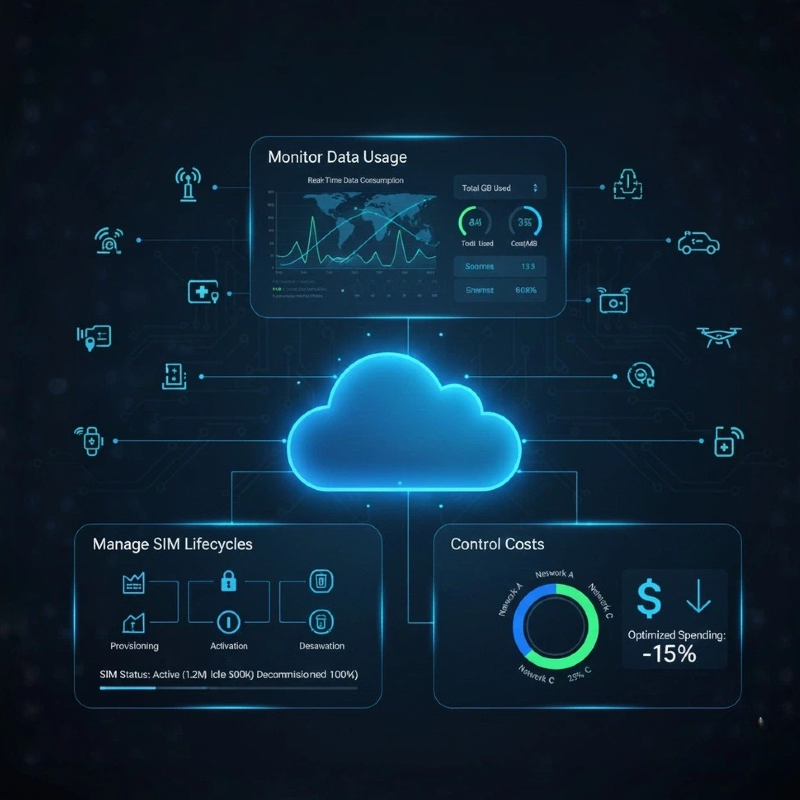
Folks running retail or field ops don’t need a lecture — they need tools that just work. BHDC’s approach treats the device like a buddy that handles network drama for you. That means an esim management platform that keeps profiles tidy, handles OTA provisioning, and makes swapping carriers painless for staff who aren’t telecom nerds. The payoff is faster onboarding, fewer checkout hiccups, and less wasted time chasing connectivity issues.
How the tech maps to everyday pain points
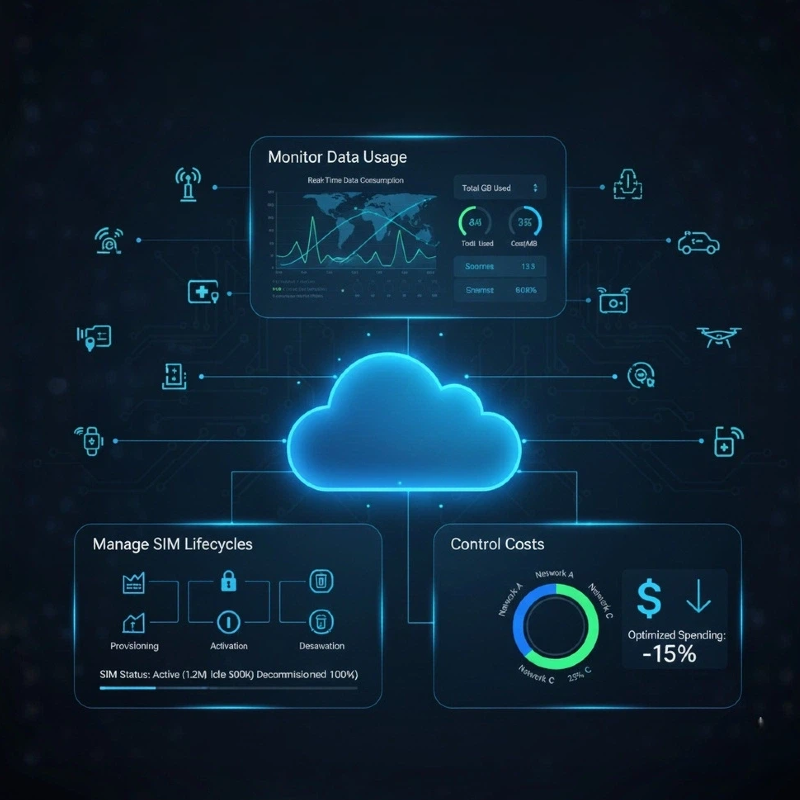
Customers care about speed and reliability. A smart POS that uses eSIM and remote SIM provisioning drops the need for physical SIM swaps and messy SIM trays. You get simpler activation flows at the counter and fewer returns when a terminal can’t authenticate. For managers that means predictable uptime; for cashiers that means fewer “call IT” moments. This is practical stuff — not buzzword parade.
Small rollout checklist — what you actually need to get right
Keep it lean: pick the right provisioning profile, confirm carrier tiers, and test activation across the main roaming zones your staff hits. Include a fallback plan for offline auth and a clear OTA update cadence. Don’t overcomplicate with every possible carrier at launch — start with the top two or three and grow. Using eUICC-compliant devices and standardized SM‑DP+ endpoints cuts friction when you scale.
Common mistakes teams still make
Teams often try to DIY profile management or skip testing on real-world roaming paths. Another slip is trusting a single carrier for global availability — that bites when an outage hits in one region. Also, neglecting user flows on the POS UI makes activation confusing for non-technical staff. Fix those and you’ll cut support tickets fast — trust me, been there on the floor during demo week at Mobile World Congress in Barcelona; chaos shrinks when the connectivity works.
Alternatives and why BHDC’s angle matters
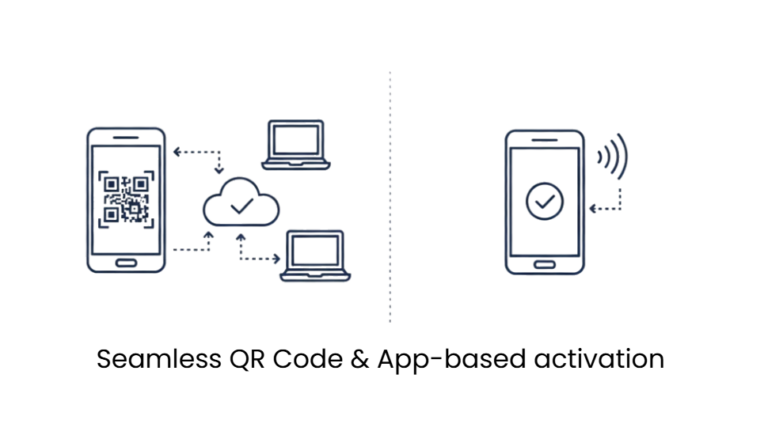
There are generic eSIM solutions and carrier portals. The difference with BHDC lies in marrying smart POS hardware to targeted subscription management and real-time provisioning logic — so activation becomes a background task, not a whole drama. If you want something lighter, generic platforms can do basic provisioning. But for retail or high-touch deployments, an integrated path lowers training and operational overhead.
Operational tips for smoother eSIM lifecycle
Track these: activation success rate, time-to-first-transaction, and OTA update reliability. Automate profile rollbacks for failed pushes. Keep a test pool of devices representing the major firmware revisions you’ll see in the field. And document your fallback SIM-handling process in plain language so a temp can follow it. Apply simple telemetry — errors are signals, not headaches.
— quick heads-up: don’t let “works on my table” testing fool you; field conditions tell the real story.
Three golden rules for choosing your stack
1) Prioritize activation reliability over feature-bloat — a POS that connects beats a POS with extra bells that never work. 2) Demand transparent provisioning logs — if you can’t see what happened and when, you can’t fix it fast. 3) Ensure multi-carrier fallback and clear OTA scheduling so updates don’t interrupt peak hours. These are the core metrics that keep customers moving and teams calm.
BHDC gets where the friction hides and tucks it away — the result is less downtime and more straightforward operations, period.
