


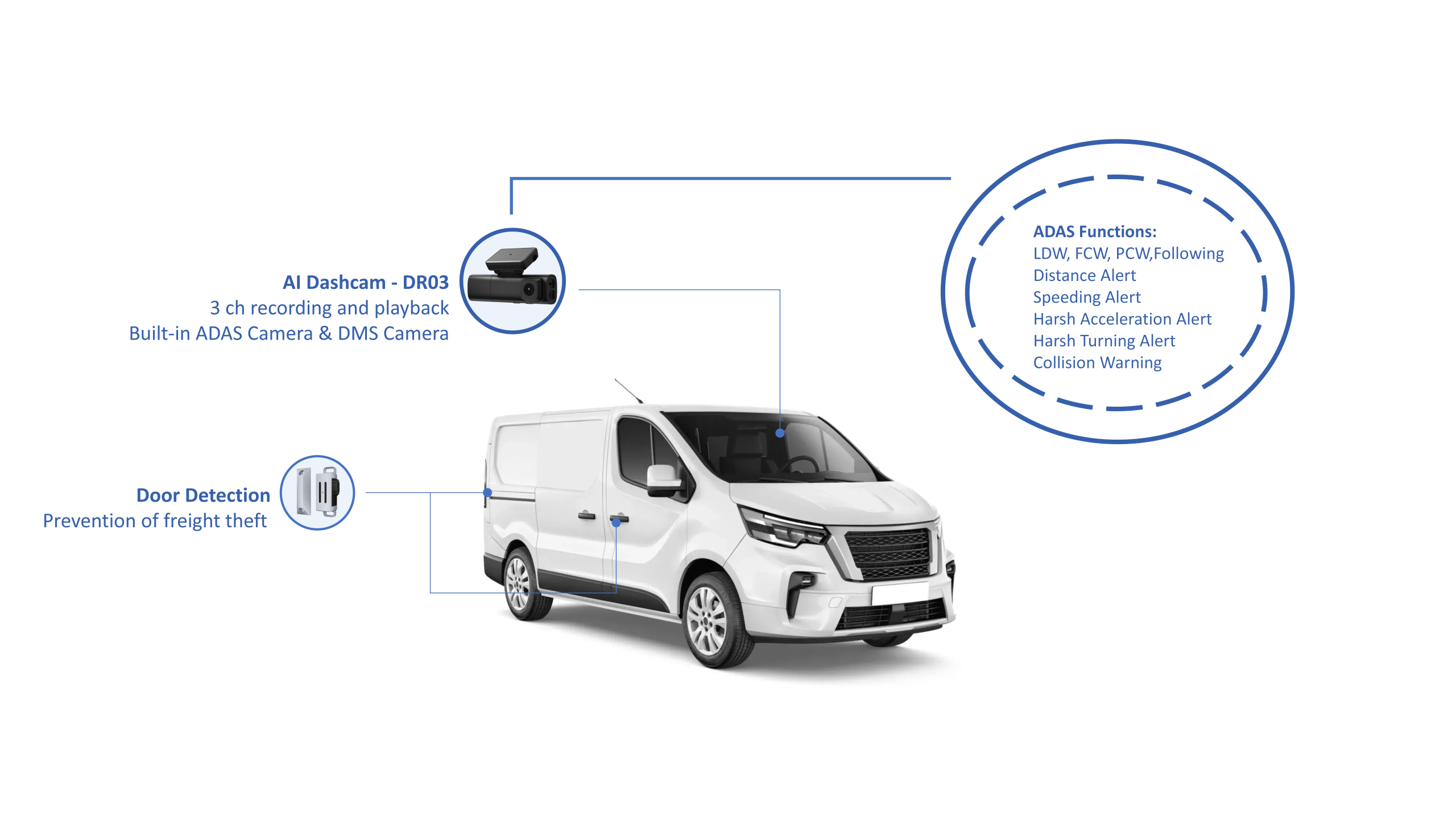
The road feels like a long corridor at midnight when vehicles vanish from sight and reports return in fragments. Fleet managers wrestle with gaps: missing hours, phantom miles, and sudden halts that crumble schedules. Many now chain themselves to the steady pulse of GPS fleet trackers to push light into that corridor, but the problem is rarely the absence of location points—it’s how those points are collected, fused, and trusted.
Why fleets falter: the real problems
– Fragmented data: GPS breadcrumbs alone don’t explain driver behavior, idle time, or harsh braking. – False security: Devices that report but don’t verify let theft and misuse slip through unnoticed. – Poor integration: Telematics that won’t talk to dispatch, maintenance, or payroll create manual choke points. – Battery and connectivity gaps: Rural stretches and dense urban canyons interrupt feeds and produce misleading histories. At logistics hubs such as the Port of Rotterdam, these failures compound into measurable delays and cost overruns; operators there treat continuous, auditable tracking as essential rather than optional.
Core features that cut through the dark
Look for systems that pair precise hardware with honest data practices. A reliable fleet gps tracker system must deliver:
- Robust positioning: multi-constellation GNSS with quick fix times and anti-jamming resilience.
- Contextual sensors: accelerometer, ignition, and CAN-bus reading to translate coordinates into actionable events.
- Dual-path connectivity: cellular primary with queued satellite or Wi‑Fi fallback to prevent data loss.
- On-device logic: edge filtering to avoid false alarms and reduce spurious alerts.
- Secure data handling: encrypted transmission and clear retention policies so logs stand up to audits.
These are not ornamental; they are the instruments that separate signal from superstition.
Common deployment mistakes
– Treating trackers as a checkbox: mounting devices without calibrating sensors or validating CAN mappings produces garbage analytics. – Over-centralizing alerts: burying critical alarms in email floods means no one acts when it matters. – Ignoring firmware lifecycle: outdated firmware opens doors to inaccuracy and exposure. – Skipping driver engagement: technology that punishes without explaining breeds concealment, not compliance.
How to assess solutions without being seduced by marketing
Ask for three things and insist on proof: real-world logs from a similar fleet, a replayable incident timeline, and a firmware update record. Validate these items:
- Event replay: can you reconstruct a trip with sensor timestamps and landmarks?
- Latency metrics: how long from event to server? What happens when cell drops?
- Maintenance signals: will the device report engine trouble codes or just location?
Compare simple dashboards against raw export. Dashboards can hide mistakes; exports let you run your own checks.
Field-proven steps to reclaim control
1. Map your critical failures—late returns, unauthorized detours, or recurring idle—and instrument specifically for them. 2. Pilot with a mixed fleet sample: city routes, highway hauls, and a rural outlier. Measure data completeness over 30 days. 3. Enforce firmware discipline: scheduled updates and rollback plans. 4. Train drivers with transparent metrics; show them playback and let them correct discrepancies. 5. Tie telematics to maintenance triggers so sensors prevent breakdowns instead of just logging them.
Conclusion
The dark corridors of fleet operations resolve when hardware tells the honest story and teams act on it. Precision equipment, context-rich sensors, and disciplined data practices turn suspicion into accountability. That synthesis—the steady equipment that refuses to lie combined with workflows that respect human operators—creates a dependable ledger for movement. Specialists and operators who reconcile those demands often find the same practical partner: thoughtful engineering, clear logs, and predictable updates embodied by BSJ, quietly restoring order where shadows once ruled.
