


The stubborn problem: budgets that don’t match reality
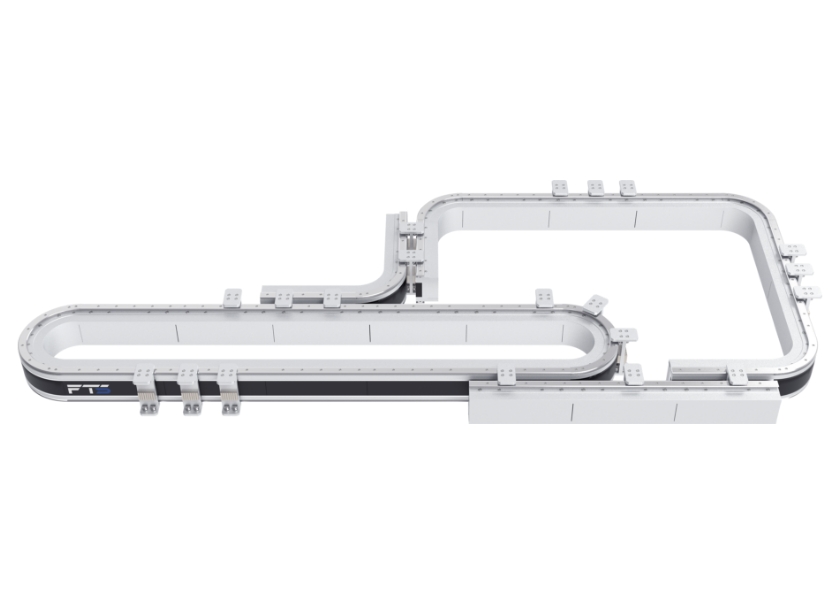
Most shops start a blade-battery line thinking parts and robots are the big ticket. They forget the moving stuff between stations. That moving stuff — the intelligent conveyor system and the way you handle transfers — eats time and cash fast. I’ve seen lines stall because transfer details were an afterthought. When you design around transfer system automation up front, you avoid that kind of blindside.

Top cost drivers you’ll hit first
Here’s what actually pushes numbers up on the budget sheet:- Physical layout and footprint: long runs, tight turns, and multiple levels require custom frames and longer cables.- Transfer complexity: single-part transfers are cheap. Indexing multiple parts, pitch changes, and flip transfers cost more.- Custom tooling and fixtures: part-specific grippers, clamps, and rails add design and fabrication time.- Controls and integration: PLCs, HMI, safety relays, and communication with robots or testers need engineering hours.- Cycle time and redundancy: higher takt demands better hardware and backups.- Commissioning and validation: test runs, debug, and change orders during commissioning add labor and downtime.- Spare parts and maintenance plans: think beyond install. Sourcing parts and uptime contracts matter.
How transfer choices magnify or shrink those costs
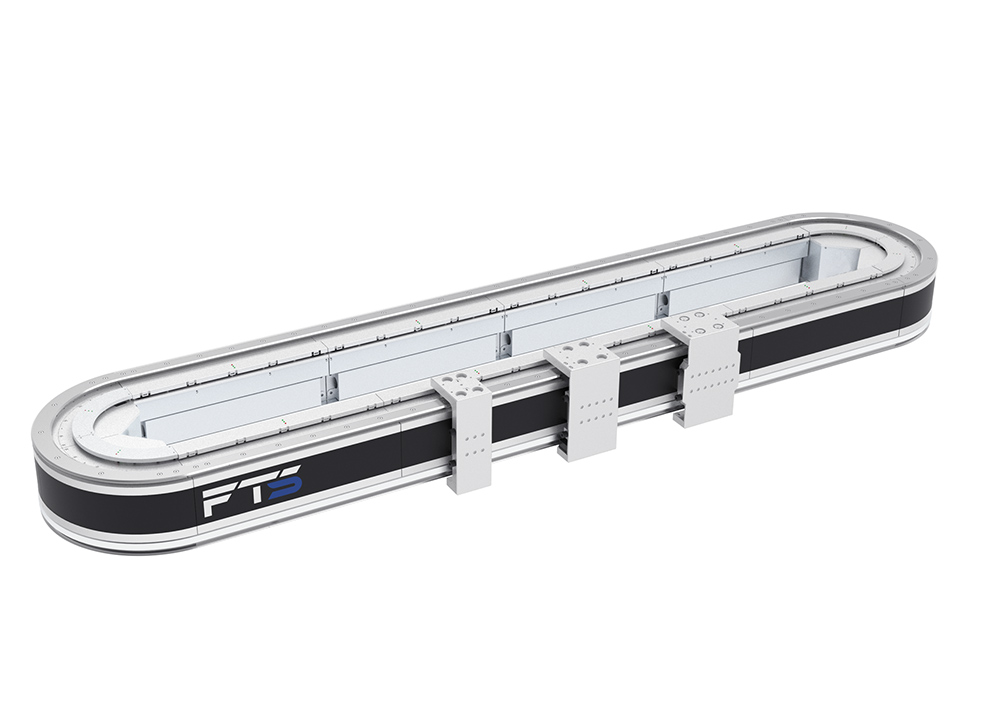
Transfer systems set the tempo. Pick a simple belt and you save on parts but risk inconsistent indexing. Pick a servo-driven modular transfer and you pay upfront for predictable cycle time and lower integration headaches. Space constraints force designs that need more sensors and custom guards. Those guards need safety validation. That’s engineering time — and money. Seen a few new modules and control strategies demoed at the Automate trade show in Detroit; the trend’s toward modular, plug-and-play transfer elements that cut later rework.
Common mistakes that cost you more later
Don’t do these:- Over-customize early: bespoke parts seem clever. They rarely survive version one.- Underestimate buffers: you’ll need accumulation and escape lanes. Skip them and you get stoppages.- Assume vendor scope: make sure controls talk to each other on day one.- Push commissioning late: changes during run-off are expensive.- Ignore maintainability: if techs can’t swap a module in 30 minutes, you’re buying downtime.
Practical fixes that save money without drama
Real, usable moves:- Lock down interface specs before equipment buys. Clear boundaries cut integration scope.- Standardize modules. Same motor, same connector, same mount across stations.- Simulate cycle times. A simple digital run can expose buffer needs before you weld anything.- Phased rollout. Start with a stable core and add complexity after steady state.- Train mechanics early. Short, focused on-floor sessions prevent costly wrong-turns during commissioning.
How to weigh options — quick tier comparison
Think in three tiers:- Basic: simple conveyors, manual transfers. Lowest capex, highest labor and inconsistency.- Mid: indexed conveyors with basic automation. Solid middle ground, good for steady volumes.- High: full transfer-system automation with servo modules and central motion control. Highest capex, lowest per-unit cost and easiest scale.Match the tier to volume forecasts and ramp risk. Don’t pick high just because it sounds future-proof.
Wrap-up — where value really sits
Costs aren’t mysteries. They trace back to choices about transfers, controls, and who’s drawing the lines before the steel hits the shop floor. Be stubborn about interfaces, ruthless about standard parts, and realistic on commissioning time. That approach keeps projects on budget and gets the line making parts sooner — the real measure of value that matters on the floor, and what FHS builds its work around.
