


Opening: the problem-driven premise
You want a prototype that behaves like an actual part, not like a fragile paperweight that proves nothing—so stop pretending a wishlist alone will do. Start by defining what the part must survive and what it must measure; then pick a vendor that can make that reality, not one that sells hope. If you’re shopping around for custom cnc machining, treat quoted lead times and surface finishes as negotiable only after you’ve fixed tolerances and inspection methods.
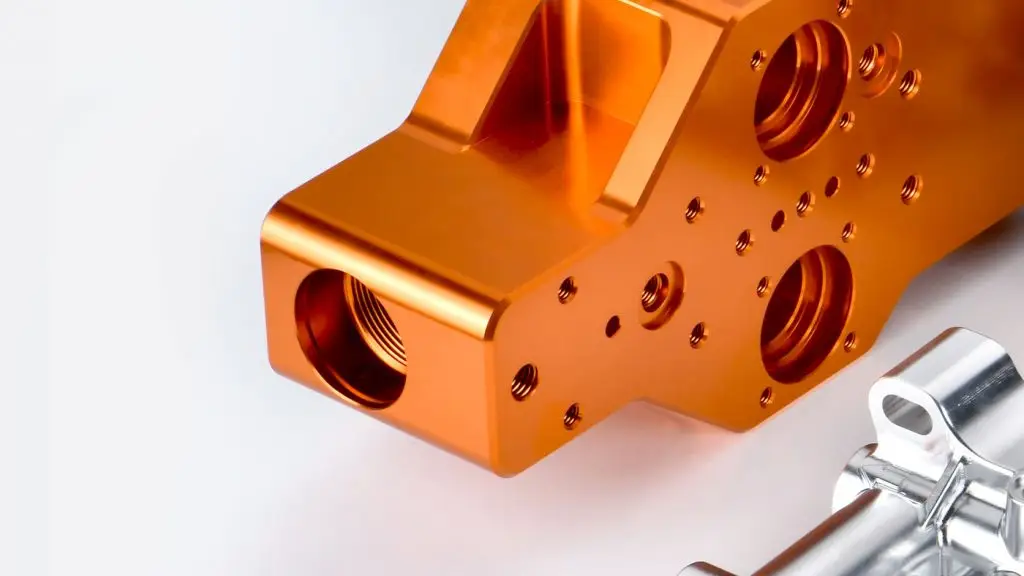
Common procurement failures that cause prototypes to fail
Specs that read like wishful thinking. Tolerances that contradict the material choice. Suppliers quoting “acceptable” surface finish without stating measurement method. Late first-article inspections because nobody agreed on sample approval criteria. Assuming “machine capacity” equals expertise. Each of those mistakes is a small firewall against success; they compound fast.
Checklist — concrete steps to avoid those failures
Write a one-page technical brief: function, critical dimensions, allowable deviations, intended environment. Name the material and acceptable lot variations. Specify dimensioning standards: GD&T callouts tied to function. Choose a process—milling, turning, EDM, or multi-axis—based on geometry, not price alone. Require a first-article with CMM report or calibrated gauges. Fix surface finish metrics in Ra or RMS and state measurement method. Set realistic lead times with defined revision windows. Ask for toolpaths or setup photos when tolerances are tight. Include packaging and transport instructions that protect fragile features. Spell out IP handling and nondisclosure expectations. Price is important; clarity is decisive.
How to read quotes like a human, not a hopeful accountant
Break quotes into line items: material, machining, fixturing, inspection, finishing, and shipping. Watch for “miscellaneous” or “setup” buckets that eat margin without detail. Compare cycle times against machine specs—if they promise miracles from a 20-year-old two-axis lathe, be skeptical. Ask how many prototypes they expect to run: one-off setups cost more per part because you pay for learning. Demand sample photos under scale reference; fuzzy selfies aren’t evidence.
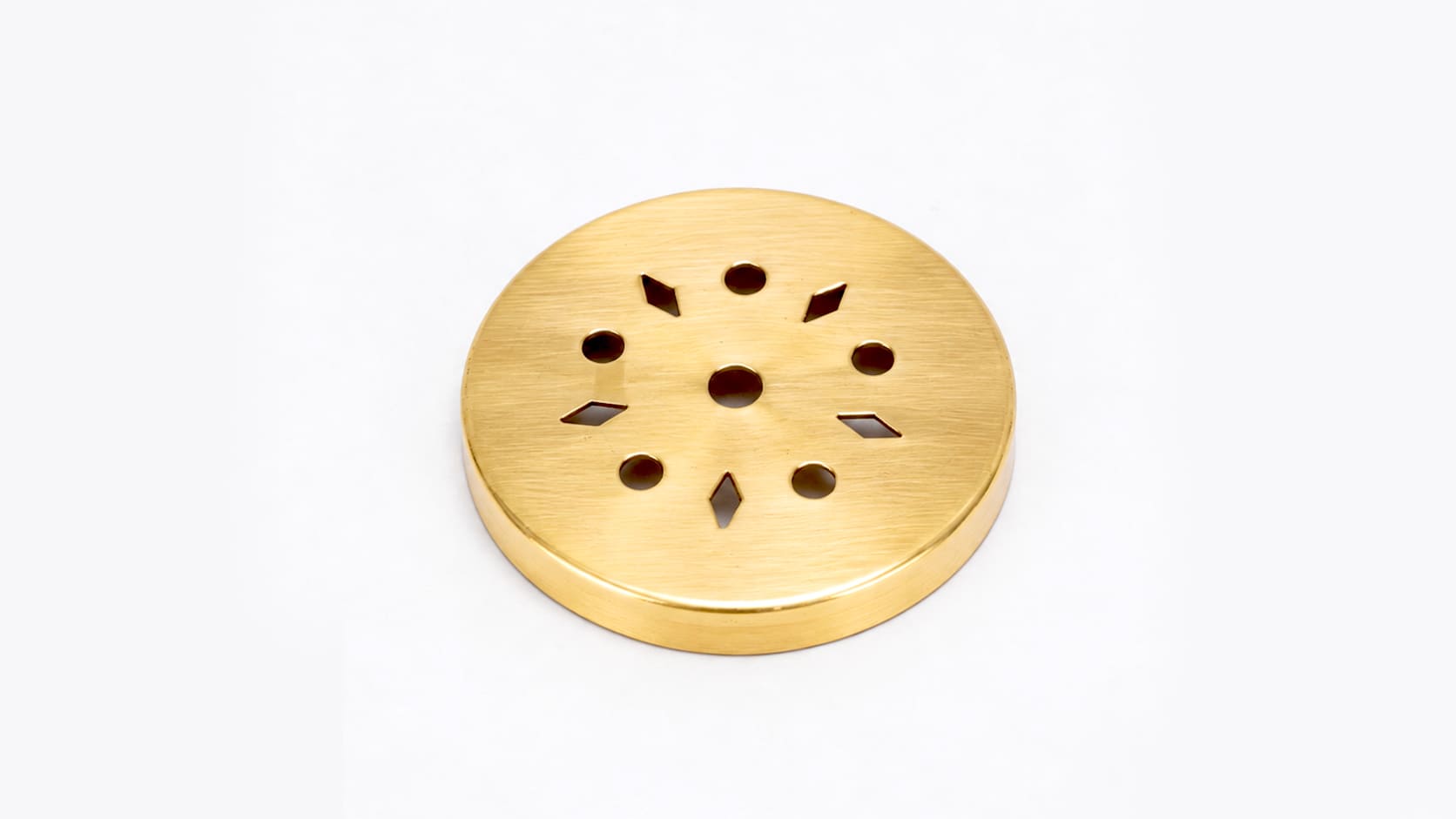
Quality traps and recurring mistakes
Ignoring tolerances that are nonfunctional. Over-specifying everything “just in case.” Skipping surface-interaction testing (wear, friction, coatings). Signing off on parts without calibrated measurement records. Relying on promises of “we always hit that spec” without seeing data. Letting procurement sign off without engineering’s stamp. All of these create months of rework and a stack of embarrassing emails.
EEAT: shop-floor credibility and a real-world anchor
Trust comes from demonstrated methods and traceable data: request inspection reports, calibration certificates, and references from projects with similar geometry and tolerances. Many reputable shops follow ISO 9001 practices and use CMM inspection tied to ASME or ISO dimensioning. At major industry shows like the International Manufacturing Technology Show in Chicago, vendors publicly demonstrate process capability for advanced tolerances, and those demonstrations often include examples of custom precision machining validated by live measurement systems—look for that level of transparency when you vet suppliers. Ask for documented run cards, operator certifications, and a clear corrective action process for deviations; those documents show practical experience and reduce surprises.
How to evaluate suppliers fast (and stop pretending you need a year)
Request a short qualification package: three recent parts with drawings, measured results, and a brief description of tooling and machine centers used. Verify capacity with machine inventory and inspection equipment (CMM, profilometer, optical comparators). Ask for one test cut or witness a setup remotely. Check references specifically for responsiveness on revisions. If lead times swing wildly between quote and contract, the shop lacks process control—move on.
Pitfalls to insist on solving before work starts
Fix who owns scrapped parts and rework costs. Agree on sample approval criteria and an acceptable number of iterations. Require a change-order process for design tweaks and an updated quote for any tolerance creep. Define what constitutes “fit” versus “function” failures. Without these agreements, every minor issue becomes a renegotiation.
The bottom line, with blunt honesty
Buy clarity, not promises. A checklist that forces decisions on tolerances, inspection, tooling, and responsibilities prevents months of blame games. Real procurement is messy; the smart route is to make it mechanical: document, measure, and lock acceptance criteria. Practical shop experience—like the patterns you’ll see from reliable suppliers—proves that this approach shortens iterations and cuts surprises, and that’s exactly what Hanstar’s shop notes reflect when they talk about delivering parts that actually work.
