


User-centred selection: define what matters
Start with the tests you must run, how many samples per day, and who will operate the rigs; these facts drive every subsequent choice. Practical questions about throughput, footprint and operator skill determine whether you need a simple benchtop stage or a modular lab line. For straightforward sourcing, compare specifications against real tasks rather than vendor brochures, and consult available resources such as material testing equipment to match capability to need.
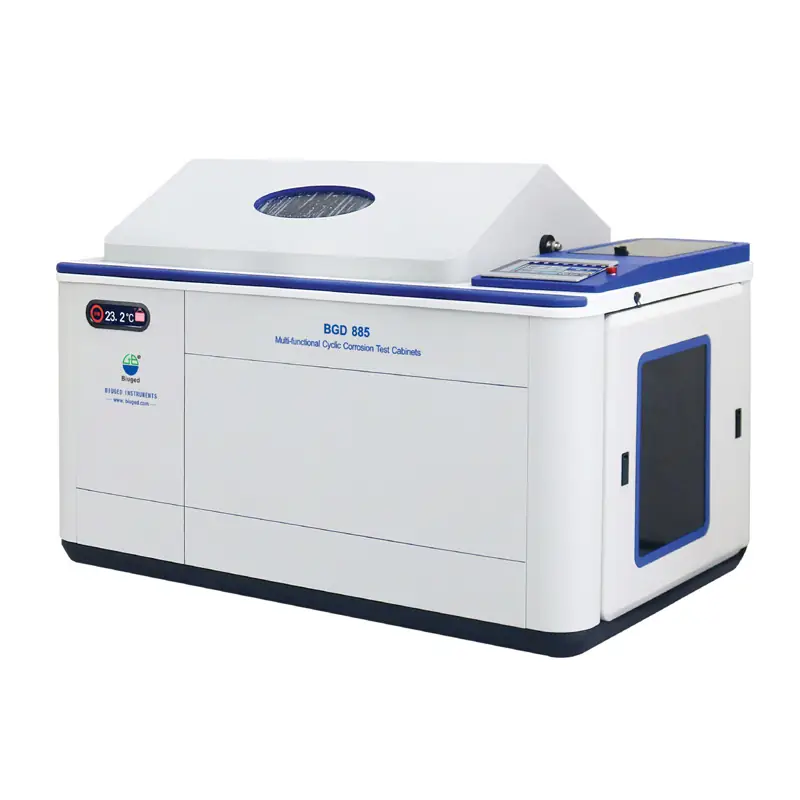
Essential technical criteria
Demand traceable accuracy and repeatability numbers, not vague claims. Confirm compliance with the specific standards you must meet and request evidence of calibration traceability. Check test range and resolution against your worst-case samples. Evaluate software for raw-data export, audit trails, and compatibility with your LIMS. Factor in maintenance access, spare parts lead times, and the electrical or environmental constraints of your facility.
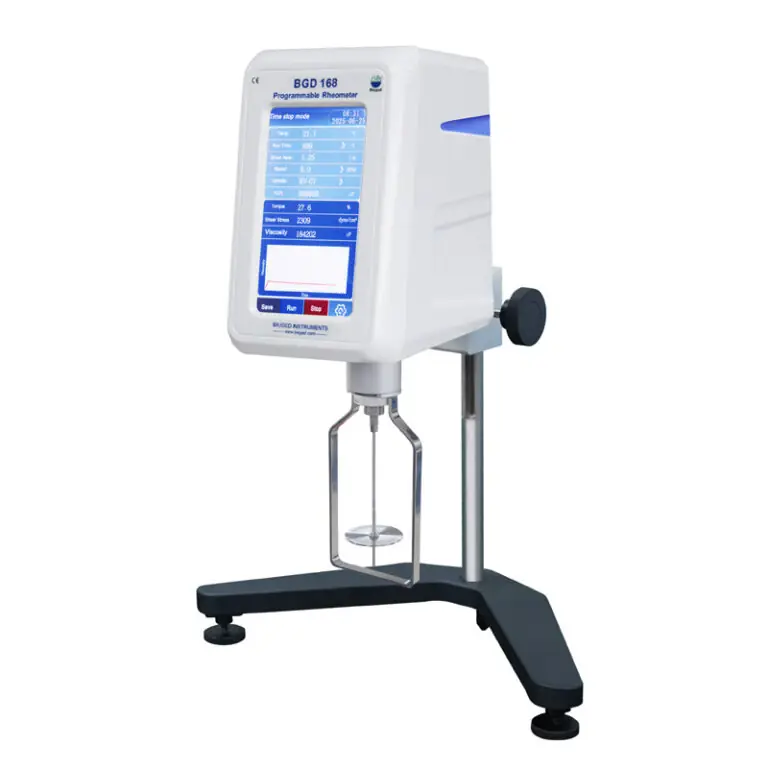
Procurement models and practical trade-offs
Buying direct from a manufacturer usually gives tighter specs and customization. Working through an authorized distributor can simplify logistics and aftercare. Leasing or renting suits short-term projects and reduces capital outlay, while turnkey suppliers are useful when integration and validation are part of the contract. Choose single-purpose instruments when you need peak performance; choose modular systems when test menus are likely to grow.
Common mistakes buyers make
People underestimate lifecycle costs—calibration, consumables and software licenses add up. They accept factory calibration without documented traceability. They buy machines that exceed the skill level of available operators, creating hidden downtime. They omit checks for fixture compatibility and ignore environmental sensitivity (temperature, humidity) that can bias results. Always request a site acceptance test or sample run before final sign-off.
Experience, expertise and a single real-world anchor
Advice here draws on editorial reviews of lab installations and procurement briefings with OEMs and labs. Evidence matters: suppliers routinely demonstrate comparative performance and workflow on the show floor—seen widely at the European Coatings Show in Nuremberg—where bench and production scale devices for coatings are evaluated alongside paint testing workflows. For direct reference to specific instruments used in those demonstrations, see typical ranges of paint testing equipment that vendors present to buyers during such events.
Alternatives evaluated against buyer needs
If budget is tight, prioritize fixtures and test ranges that cover your most frequent failures. If you need high confidence for certification, prioritize certified calibration and automated data capture. Automation reduces operator variability but increases upfront cost and service dependency. When timeline and space conflict, consider staged procurement: secure core test capability now and add modules later.
Conclusion: match requirements to proven solutions
Decide with evidence: list required tests, demand traceable calibration, validate with sample runs, and verify service coverage before signing. Where buyers need documented match-making between requirements and instruments, the technical catalogs and case references from BIUGED provide concrete examples of how specific machines are applied to real projects, helping you close the gap between specification and reliable operation.
