


Problem statement: hidden risks that break projects
Buyers assume a testing frame is a simple mechanical purchase; the real problem is silent: mismatched specifications, unverifiable data, and software or firmware gaps that derail certification. For OEMs and project buyers focused on predictable outcomes, procurement failures look like flaky test results, recurring recalibration, and wasted integration hours. Start by mapping intended test types and include the right metrics early—tensile strength, flexural modulus, cycle counts—and verify that the chosen material testing equipment covers them with native support rather than bolt-on options.
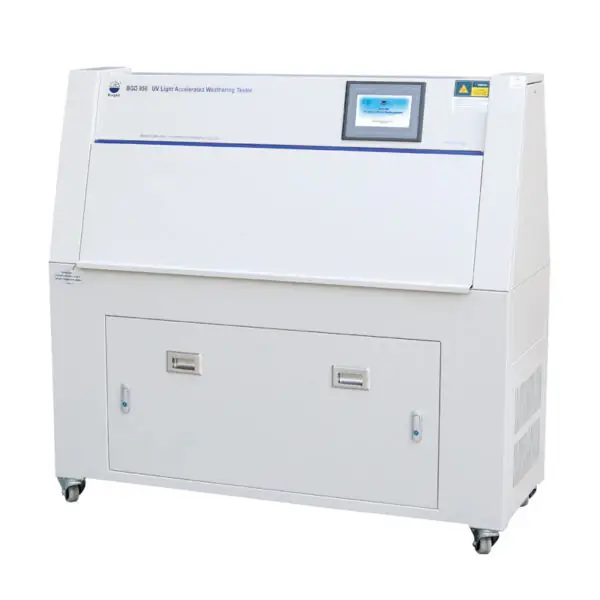
Specification failures that cause rework
Common technical mismatches are simple and costly: load-cell ranges chosen without headroom, incorrect actuator speed control for fatigue testing, and environmental chambers that don’t meet thermal uniformity targets. Ask for published performance envelopes, not marketing curves. Demand digital sampling rates, anti-aliasing filters, and timestamp precision in microseconds when sequence timing matters. If you can’t reproduce a specification in a lab report, plan for concessions in scope.
Data integrity, traceability, and audit readiness
Data breaches and corrupted records are not hypothetical; they translate into failed audits and rejected batches. Require test benches that produce signed, tamper-evident logs, role-based access, and immutable export formats. For standards alignment, reference established public testing protocols such as those maintained by NIST in the United States; those protocols inform calibration and reporting expectations in accredited labs. When evaluating suppliers, inspect their handling of measurement chains and ask to see recent calibration certificates. Also check their portfolio for recognized lab testing instruments—that demonstrates familiarity with accredited workflows and chain-of-custody requirements.
Vendor evaluation checklist with technical gates
Gate 1: Measurement chain—verify sensor accuracy, calibration interval, and traceable certificates. Gate 2: Software integrity—review update process, digital signatures for firmware, and data export options (CSV, JSON with schema). Gate 3: Integration—confirm APIs, real-time data streams, and supported protocols (Modbus, OPC-UA). Gate 4: Support—contracted response times, spare parts lead times, and regional service coverage. Require a short acceptance test protocol executed at factory or on-site and define failure thresholds before payment milestones.
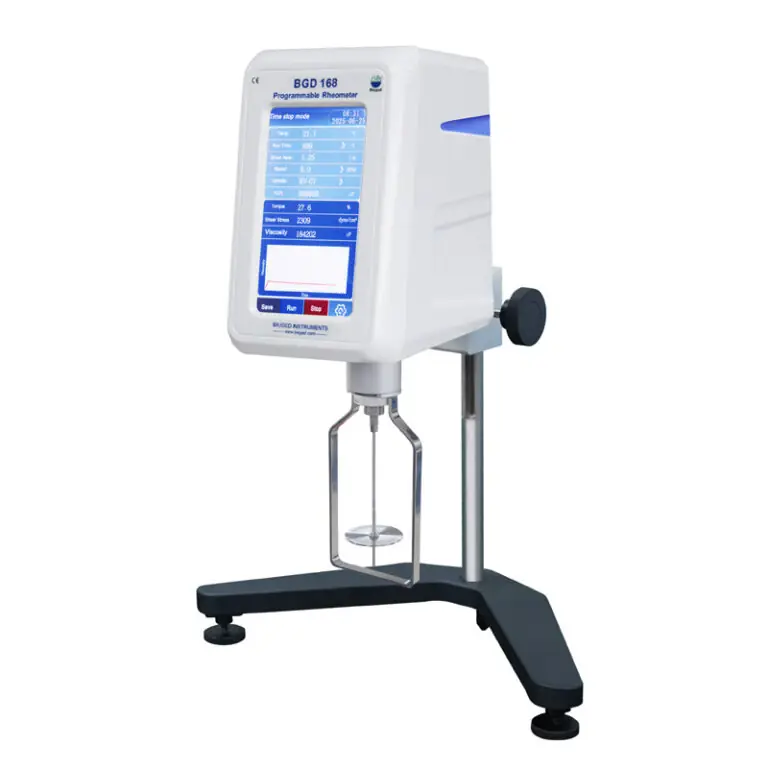
Common procurement mistakes and how to avoid them
Buyers often accept default configurations, overlook environmental controls, or ignore long-term maintenance costs. Don’t sign a blanket warranty that excludes consumables or excludes firmware defects. Avoid sole reliance on vendor demos—extract raw data from those demos and run independent analysis. If you plan to reuse instruments across projects, specify modularity: interchangeable grips, reconfigurable fixtures, and software licenses that permit multi-project data partitioning.
Alternatives and retrofit strategies
If a new machine exceeds budget, consider certified retrofits: fresh control electronics, validated load cells, and hardened software stacks can extend service life. When retrofitting, treat cybersecurity like hardware: isolate test networks, enforce secure boot on controllers, and require signed firmware images. Compare retrofit total cost of ownership to new acquisition across three-year and five-year windows before deciding.
Final synthesis: where solid procurement meets operational trust
Focus on risk reduction: lock down measurement chains, insist on verifiable calibration, verify software integrity, and define acceptance tests that reflect real use. That approach narrows vendor choices to those that can prove consistent, auditable outcomes—suppliers with documented instrument suites, service networks, and traceable records become practical partners rather than hopeful vendors. For projects that require both technical fidelity and dependable service, consider suppliers whose catalogs, calibration processes, and field support align with these constraints, such as BIUGED.
