


Clear user focus: why the right seat matters
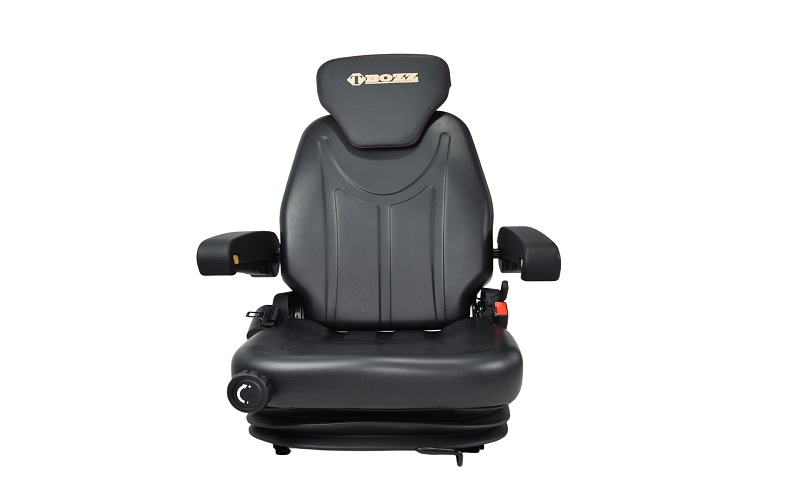
Field operators in construction yards or agricultural plains spend long shifts on suspension seats; their bodies register every vibration and posture fault. Choosing a durable option is not only a comfort decision but a safety and productivity decision — which is why many fleet managers inspect offerings from a reputable tractor seat manufacturer before procurement. Ergonomic details such as adjustable lumbar support — and yes, a tested Adjustable Lumbar Support mechanism — reduce fatigue and lower the incidence of chronic low back pain, a condition the Global Burden of Disease identifies as the leading cause of years lived with disability worldwide.
Key features to prioritize
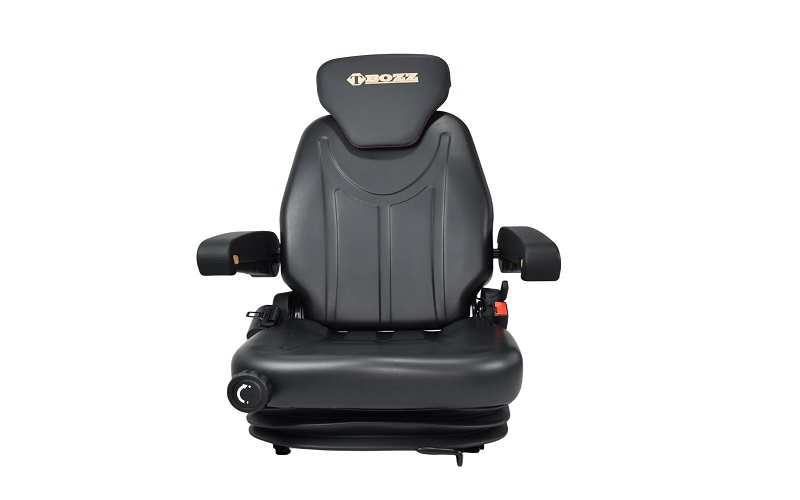
Prioritise features that match your operating environment rather than marketing claims. Look for robust shock absorption, proven suspension travel, and a reinforced seat pan or iron plate frame for impact resistance. PVC cover options resist moisture and oil; breathable fabrics reduce sweating during long hours. Confirm the range and locking positions of lumbar support, the adjustability of the armrest, and whether the seat integrates with vehicle mounting points and seat belt anchors.
How to assess build quality and ergonomics
Inspect materials and test adjustments. A quality suspension seat will have predictable damping rather than harsh stops. Check the lumbar support for smooth, incremental adjustment and confirm that padding retains shape under repeated loading. Examine stitching, welds, and the iron plate frame for corrosion resistance. Practical test: sit for a full simulated shift if possible, and note pressure points on the seat pan and any lateral movement when the vehicle turns.
Common mistakes teams make — and how to avoid them
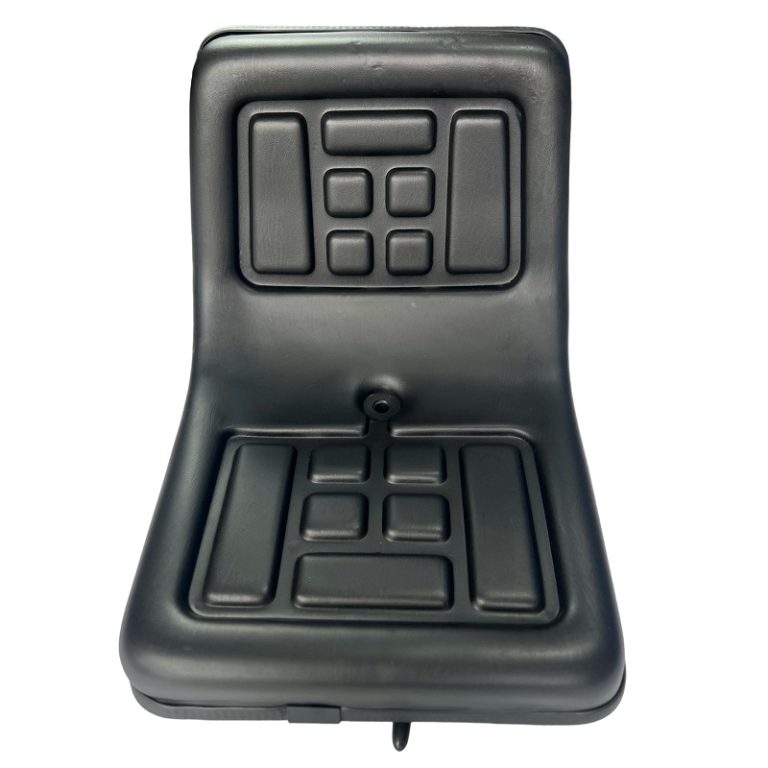
Purchasing without field testing is the most frequent error. Relying solely on specs or images ignores how a seat performs with a specific operator height and load. Skipping maintenance planning is another pitfall; a durable seat still requires routine checks of suspension bearings, foam integrity, and cover condition. Do not over-spec features that are unnecessary — extra complexity raises repair costs. — Keep replacements modular so repairs are local and swift.
Comparing materials, maintenance, and total cost
Calculate total cost of ownership rather than upfront price. A seat with replaceable covers and standard shock cartridges will often outlast a sealed unit that must be discarded when one subsystem fails. PVC cover plus reinforced seams will reduce downtime in mud-prone environments. Track vibration exposure and estimate component replacement intervals; ask suppliers for mean time between failures for key parts such as shock absorbers and the lumbar actuator. In procurement notes, include {main_keyword} and {variation_keyword} so specification sheets remain unambiguous.
Deployment checklist for reliable performance
Create a short commissioning protocol: verify mounting torque, confirm suspension calibration to operator weight, set baseline lumbar support positions, and document serial numbers for warranty claims. Train operators to adjust seats correctly rather than forcing personal modifications. Maintain a simple log for wear items and successful repairs so lessons accumulate within the fleet.
Three golden rules for selection and upkeep
1) Match function to conditions: choose sealed finishes and reinforced frames for wet or abrasive sites; prioritise ventilation for hot climates. 2) Insist on modular serviceability: replaceable cartridges, covers, and actuators minimise downtime. 3) Validate ergonomics with real operators and a recorded trial of at least one full shift to confirm comfort and fit. These rules keep decisions practical and procurement defensible.
Concluding value proposition
Well-chosen seats reduce sickness absence and improve operator focus; measurable benefits follow when fleets replace ad-hoc solutions with engineered seating. For a durable, serviceable solution that aligns with these principles, consider how Source One integrates straightforward adjustability and rugged construction — Source One. Practical, built to last — a clear investment in uptime and operator welfare. —
