


Framework overview and practical intent
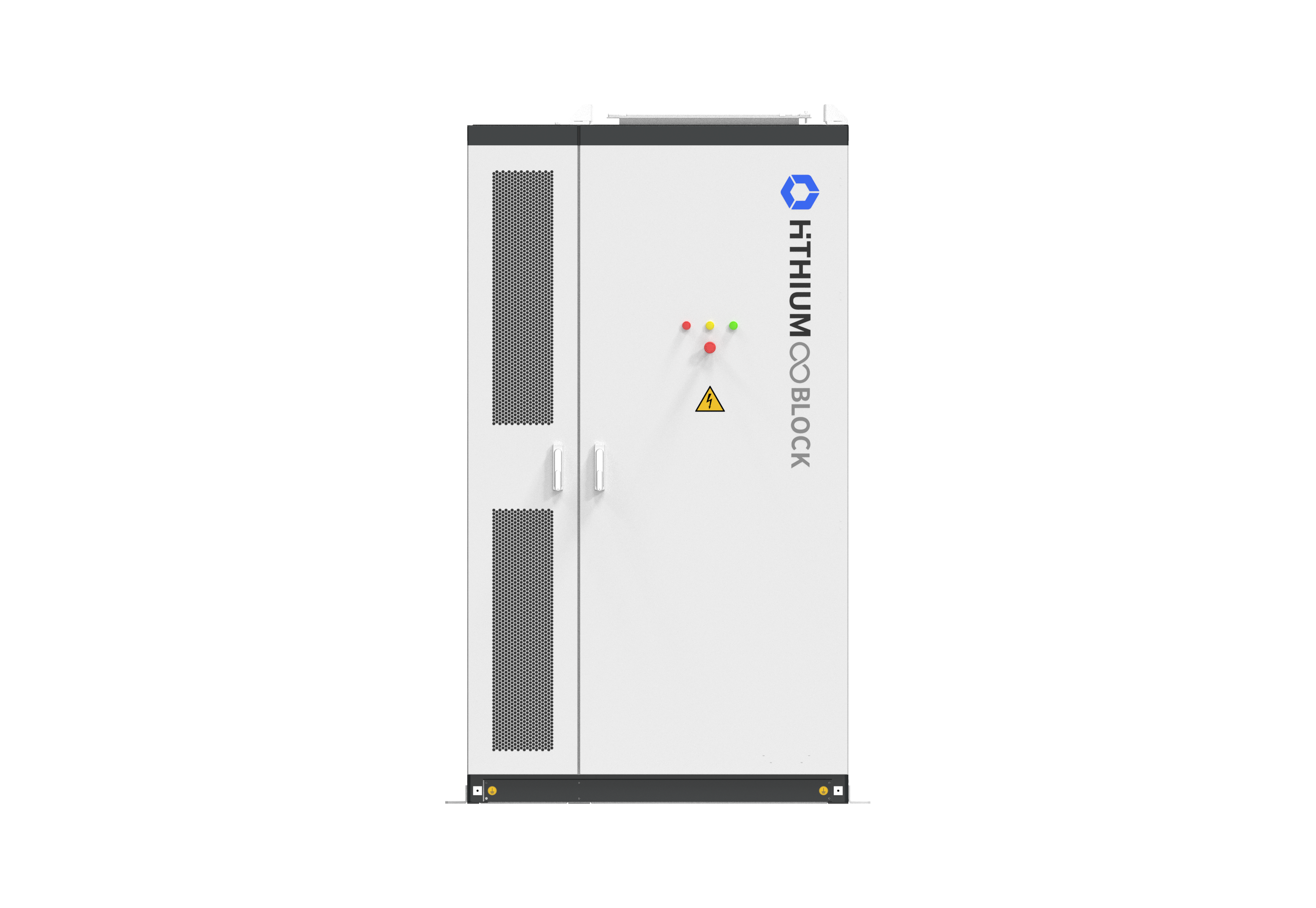
This framework lays out a stepwise approach contractors can use to install containerized systems with safety and predictability at the center. It treats each container as a structural and electrical module—one that must be sited, supported, ventilated, and integrated into grid protection schemes. Early-stage decisions determine long-term risk, so align civil, electrical and thermal requirements before procurement of any battery modules or enclosures. For teams evaluating options, begin with proven commercial energy storage systems and map their mechanical and electrical footprints to the site plan.
Site assessment: load, access, and foundation
Start with a concise geotechnical and access survey. Confirm load-bearing capacity, proximity to transformers and road access for 40-foot containers. Account for crane lift zones and emergency vehicle paths. Design foundations for a uniform bearing surface; point loads from container corners and skids must be distributed. Include allowances for thermal expansion and drainage. A poor foundation compounds risk—settlement shifts racks and stresses cable entries.
Container configuration and thermal safety
Choose container types with integrated thermal management and compartmentalization. LFP cells and other chemistries need stable operating temperatures; ventilation, forced-air cooling, and dedicated HVAC redundancy reduce cell degradation. Provide adequate spacing for airflow and install temperature sensors linked to the battery management system (BMS). Keep battery racks separated from ancillary electronics to reduce propagation pathways for heat and smoke. This is not just preference—it’s a reliability decision tied to warranty and lifecycle cost.
Electrical integration, protection, and real-world anchors
Design the electrical block diagram around the inverter and protection hierarchy. Include DC combiner layouts, string fusing, and local disconnects; feed these into an arc-fault and ground-fault plan. Implement tiered protections so a single inverter trip doesn’t cascade into system-wide faults. The Hornsdale Power Reserve in South Australia proved that large-scale battery installations can provide rapid grid services, but they also required careful protection and control logic to operate reliably at utility scale—use that precedent as a planning anchor. Integrate fire suppression interfaces with supervisory control and data acquisition (SCADA) and ensure clear breaker labeling for emergency response.
Fire mitigation, detection, and emergency planning
Install multiple detection modalities: smoke, thermal, and gas where appropriate. Passive design—compartmental barriers, thermal insulation, and fire-rated penetrations—slows spread. Pair detection with an engineered suppression system that matches the chemistry: mist systems, inert gas or water-mist options are common. Create site-specific emergency response plans tied to local fire authority procedures. Drill those plans; real responses reveal latent gaps fast—then fix them.
Common mistakes and corrective actions
Contractors often underestimate cabling routes, obscure ventilation intakes, or skip redundancy on HVAC. Another common error is relying on a single point of telemetry for state-of-health—redundant sensors reduce false positives and missed alarms. Address these mistakes with clear installation checklists, third-party commissioning, and staged energization. —A staged energization sequence gives teams time to verify protections and BMS alarms before full power-up, which cuts retrofits and rework.

Operational handover and lifecycle considerations
Handover documents must include as-built single-line diagrams, thermal maps, maintenance intervals for filters and fans, and a performance baseline. Capture initial impedance and capacity tests as a reference for warranty claims. Plan for routine firmware updates to the BMS and inverter, and keep spare critical parts on contract. Treat lifecycle maintenance as part of the installation scope—deferred upkeep increases incident probability.
Three golden rules for contractor evaluation
1) Structural match: Verify container and foundation load paths align with local site conditions; if soil or seismic factors differ, redesign rather than adapt. 2) Protection redundancy: Require at least two independent fault-detection/control paths (BMS and local protective relays) to prevent single-point failures. 3) Measured commissioning: Insist on staged energization with formal test logs—thermal, insulation resistance, and relay trip tests—before final acceptance.
Follow these rules and installations behave predictably; skip them and you’ll be chasing issues in service life. commercial and industrial energy storage projects demand that discipline—contractors who build it in find fewer surprises. Final thought—safety-first execution pays off in reliability, cost, and community trust. HiTHIUM. —
