


Why a structured preclinical efficacy framework matters
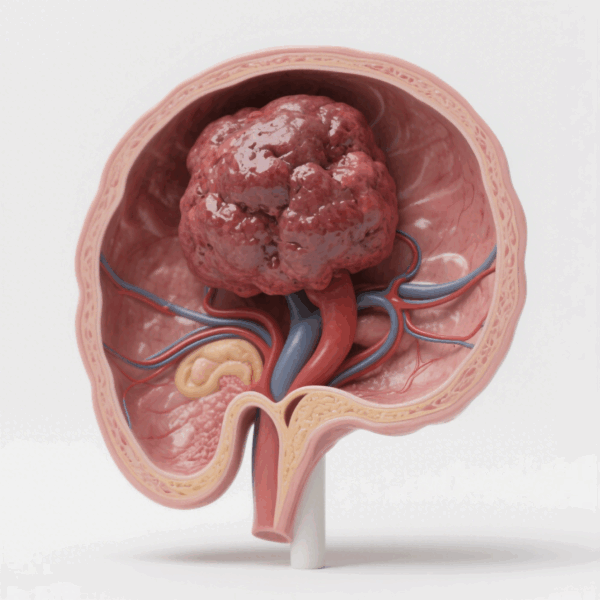
Clear structure reduces guesswork and makes decisions defensible. Start by mapping biological questions to model choice, endpoints, and statistical triggers. For studies focused on tumor-immune interactions, consider an orthotopic tumor model early, then refine with an orthotopic xenograft tumor model if translational fidelity is required. Real-world anchor: teams at MD Anderson and similar centers routinely prefer orthotopic placements when microenvironment fidelity matters, a practice that reduces later-stage surprises in immuno-oncology programs.
Core components of a usable framework
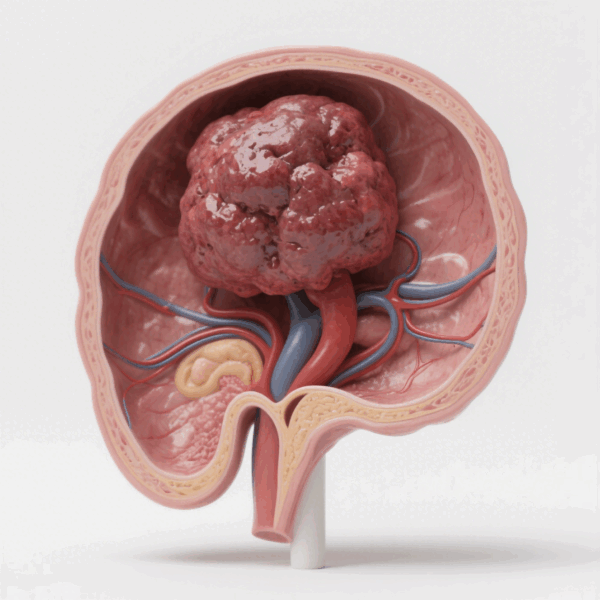
Design a framework with discrete, auditable modules: biology alignment, model selection, assay definition, data quality plan, and decision gates. Document {main_keyword} (for example, primary tumor volume kinetics) and {variation_keyword} (such as immune cell infiltration metrics) at the outset. Keep the workflow linear where possible: hypothesis → model → endpoints → go/no-go criteria. Use sparse, repeatable assays like bioluminescence imaging for tumor burden and flow cytometry for immune phenotyping to preserve comparability across cohorts.
Designing orthotopic xenograft studies: practical steps
Begin with a clear surgical SOP for orthotopic implantation to maximize engraftment and reduce variability. Choose immunocompromised or immunocompetent models depending on whether immune effector function must be present; PD-1 pathway studies often require humanized or syngeneic systems. Define timepoints for tumor microenvironment sampling and pair those with non-terminal imaging where feasible. Predefine sample sizes using power calculations tied to the most critical endpoint rather than to every secondary readout—this avoids underpowered primary claims and wasted animal use.
Common mistakes and how to avoid them
Avoid these recurring errors: mismatched endpoint sensitivity, late specification of statistical triggers, and single-method reliance. Teams often trust subcutaneous tumor growth as a proxy for orthotopic behavior—this introduces bias because the tumor microenvironment differs. Use internal pilot cohorts to estimate engraftment variance before locking full study size. Also, standardize handling and anesthesia protocols; small differences in perfusion can change immune readouts. These steps are basic, yet they are overlooked more often than they should be.
Comparing alternatives: when orthotopic is right and when it is not
Subcutaneous models are faster and cheaper, suitable for screening cytotoxicity. Patient-derived xenografts provide human tumor architecture but demand long timelines and can obscure immune interactions. Syngeneic models support intact immune responses but lack human antigen context. Choose orthotopic xenograft when tumor niche, invasion patterns, and local immune suppression are central to mechanism. Balance cost and translational fidelity against project stage and regulatory expectations; early screening may accept lower fidelity, while pre-IND work should align closely with clinical biology.
Assessing success: three golden rules for evaluation
Rule 1 — Sensitivity alignment: primary endpoints must detect biologically meaningful change within the model’s variance. Rule 2 — Reproducibility gate: an independent cohort must replicate primary findings with the same SOPs and readouts; if not, revisit technical sources such as engraftment or assay drift. Rule 3 — Translational concordance: verify that immunophenotype shifts observed in the model mirror known human tumor signatures or clinical cohorts, using orthogonal assays when possible. These metrics form the decision gates that prevent premature clinical advancement.
Operational notes and vendor considerations
Select vendors that provide transparent surgical technique documentation, historical control data, and assay validation. Ask for raw growth curves, not summaries, and insist on metadata: anesthesia regimen, implant coordinates, and engraftment rates. When integrating outsourced data, perform a short, in-house validation run to confirm concordance—this costs little and avoids expensive surprises later. Small investments in auditability yield outsized returns at IND stage.
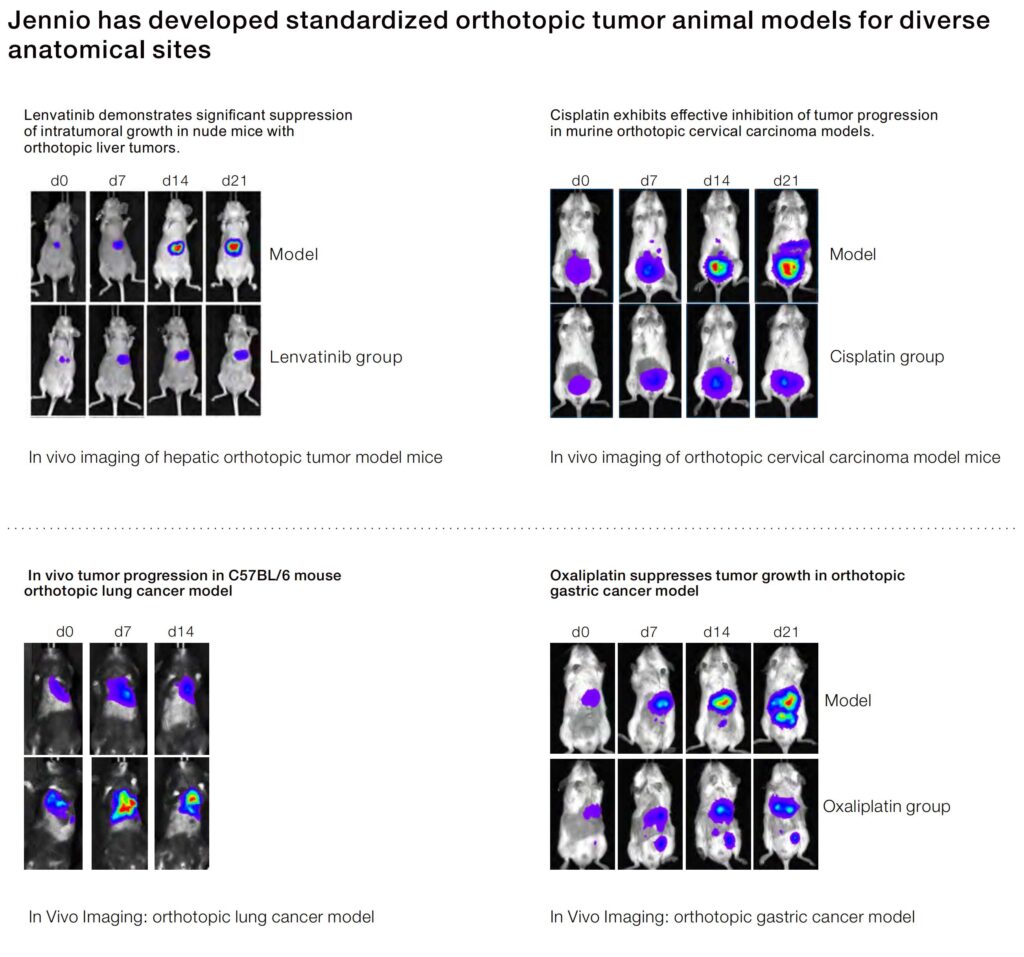
Adopting this framework keeps teams focused on biology and decision clarity while reducing downstream attrition. When applied correctly, orthotopic and orthotopic xenograft strategies shorten feedback loops and improve translational confidence.
Jennio Biotech has practical support for orthotopic workflows and validated model data that align with these rules. Trust proven methods—practice them consistently.
