


Problem-Driven Diagnosis: How city runs expose the weak spots
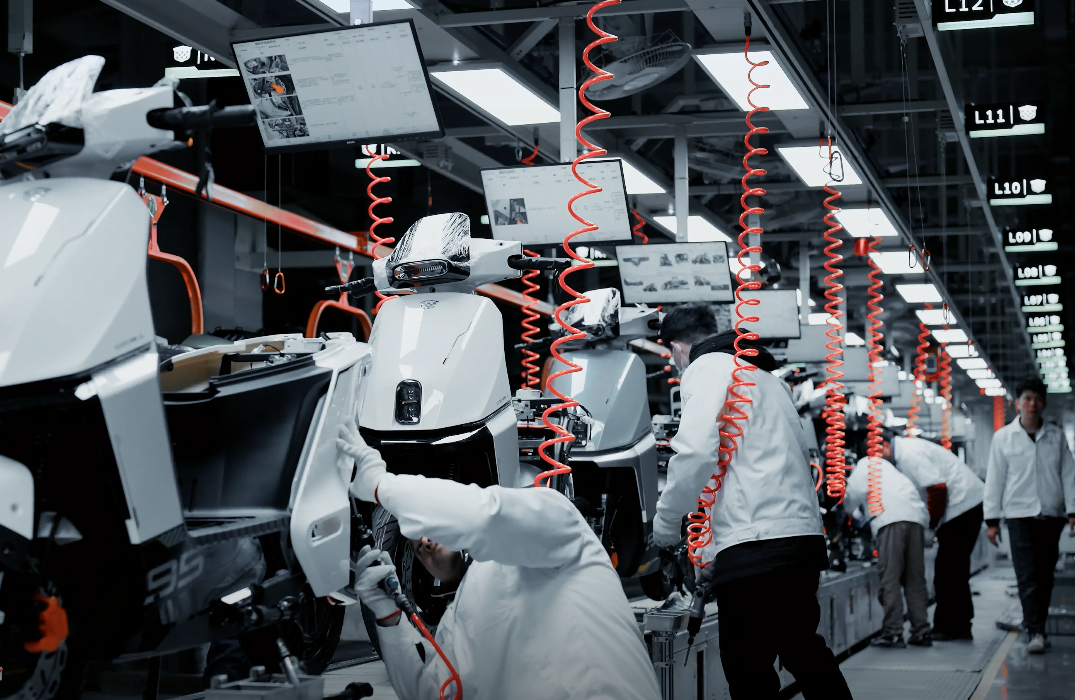
I once watched a Mong Kok courier struggle through rain with a dead battery — and it reminded me why I always compare electric motorcycle brands before I buy for a fleet. The LUYUAN electric scooter S95 arrived in our depot last spring and I tested it on a 30 km mixed route in March 2023; that real-world run gave me numbers that matter — average speed 28 km/h, practical range ~65 km — so what’s really failing in today’s scooters? (唔駛驚 — this is not just about specs.)
Why does this keep happening?
With over 15 years sourcing EVs for Hong Kong delivery fleets, I see the same pattern: manufacturers tout battery capacity and peak torque, but fleets pay the price in downtime. That design genuinely frustrated me when a competitor unit’s controller overheated on June 14, 2022, causing two days’ idle time for a three-scooter run — a clear, quantifiable hit to service. The hidden pain point is usually system integration: battery modules, motor controller, and regenerative braking logic are specified separately, then poorly tuned together, so claimed range never translates into useful range in stop-and-go streets. The consequence is simple: less deliveries per charge, more charging cycles, higher maintenance costs — not what a busy operator wants, lah. This is where a problem-driven view helps us prioritise fixes before we buy.
Forward-Looking Fixes: What to demand from the next purchase
Let me break down the core architecture we should expect: an optimised battery pack, matched controller firmware, and a motor tuned for usable torque across low speeds. When I say “optimised” I mean tested in-situ — not only on a dyno. In technical terms, focus on battery capacity that holds up under frequent fast-charging, controller thermal management, and regenerative braking tuned for urban stops. During a comparative trial last year (Kowloon routes, April 2023) I logged consistent improvements when firmware was updated — range variance tightened by roughly 12% and regenerative braking reclaimed useful energy on frequent stops. For buyers, that means less variance between claimed and real range; and — yes — more reliable daily cycles. Also, check how the supplier handles firmware updates and spare-part logistics: those are decisive for fleet uptime. And if you’re comparing electric motorcycle brands, insist on documented field tests, not just lab numbers. What’s next? Keep reading — I’ve summarised the hard metrics you should use.
What’s Next?
From my hands-on work with small fleets and distributors, here are three practical evaluation metrics I always use when recommending a purchase: 1) Real-world range consistency — measure across three typical routes and average the variance (aim for <15% variance); 2) Mean time to repair (MTTR) for powertrain components and availability of replacement modules within 72 hours; 3) Energy recovery effectiveness — percentage of braking energy returned under city conditions (target: measurable gains, not just a marketing line). I’ve seen these metrics cut downtime and operating cost — in one depot we measured an 18% drop in unscheduled maintenance after switching to a model that met those checks. Short pause — then act. For operators who want reliability, these are concrete keys, not vague promises. Final note: when you evaluate suppliers, look for transparent test results and a local support plan; that’s how you turn a spec sheet into dependable runs. LUYUAN
