


Opening comparison that sets the stage
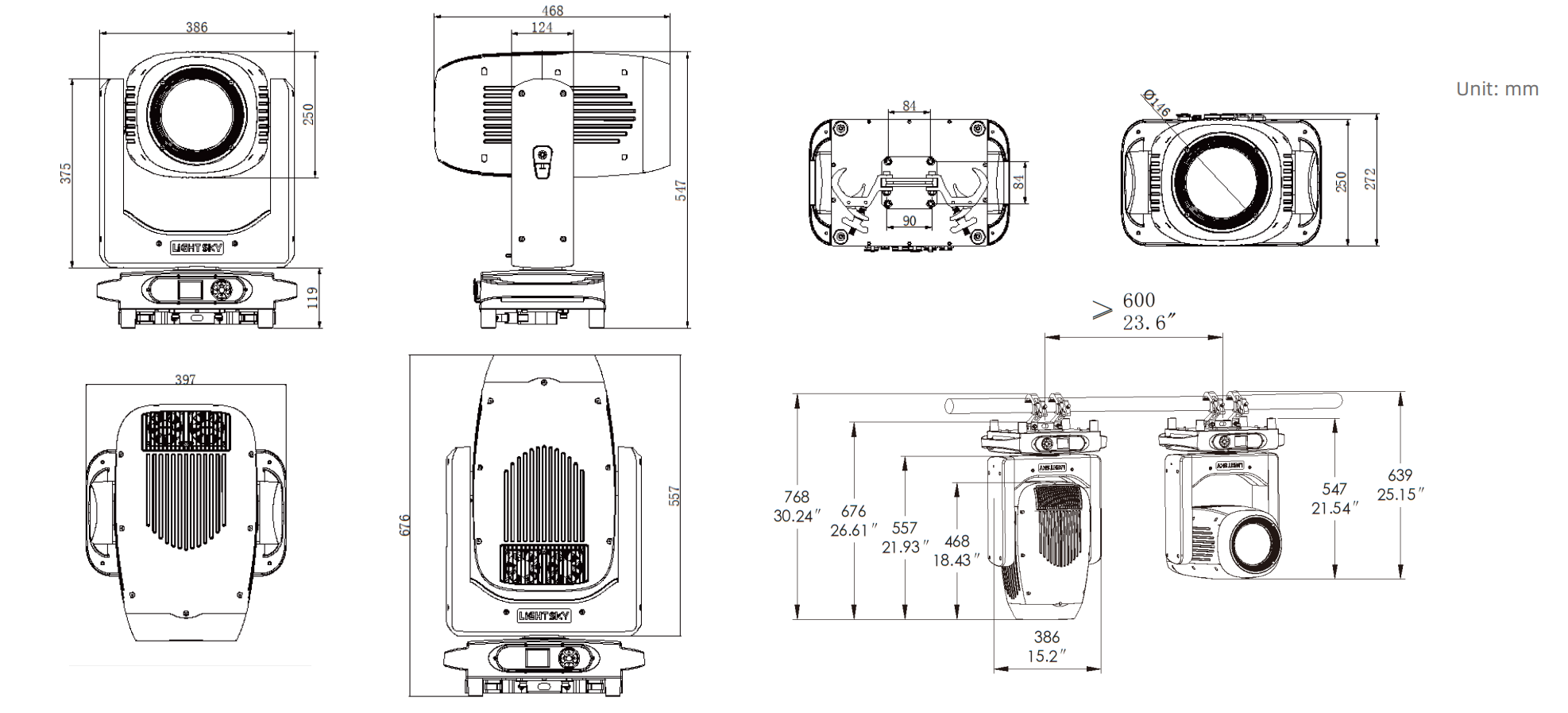
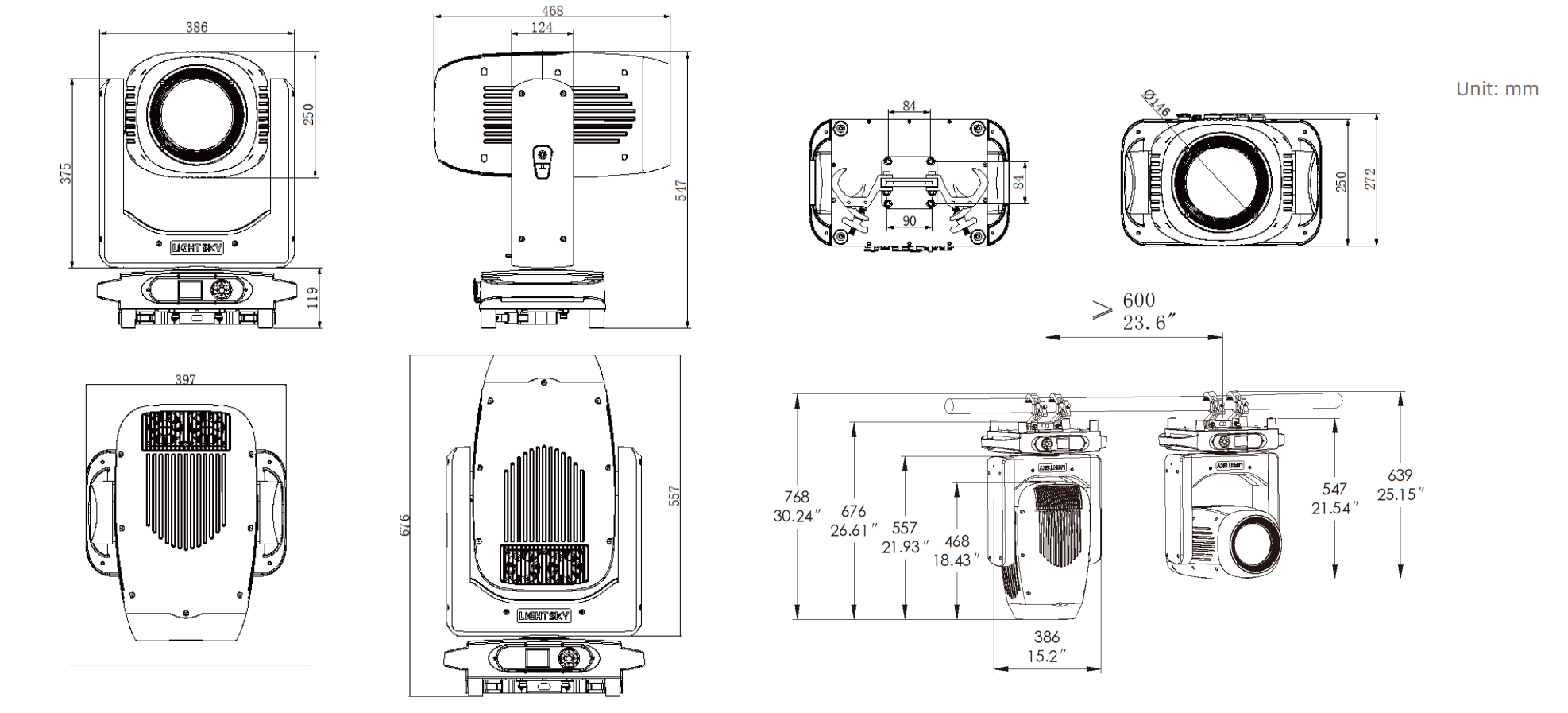
The best decisions start with clear contrasts, so when specifiers weigh a unit like the 520W LED BSWP 4in1 Moving head against rivals they map use-case, durability, and output side by side. For outdoor runs or wet-stage rigs, a trusted waterproof beam spot wash profile changes the conversation from “if it will survive” to “how well it performs.” In venues such as the Sydney Opera House, production teams routinely insist on IP65/IP66 protection and measurable lumen output; that real-world anchor drives buyer expectations and keeps procurement focused on facts like beam angle and lumen output rather than marketing fluff.
Why comparative insight delivers better specs
Comparative analysis forces trade-offs into view: narrow beam versus wash flexibility, sharp gobo projection versus smooth edge shaping, and robust pan/tilt mechanics versus silent movement for broadcast. A descriptive comparison highlights not just what a fixture does but how it feels under load. For example, a profile head with interchangeable gobo wheels and tight beam angle will suit opera and dance, while RGBW mixing with softer beam angles favors broadcast and corporate staging. Pan/tilt responsiveness and fixture noise level are simple metrics that separate pro-grade from everyday units.
Core features to weigh, descriptively outlined
Focus on a short list of decisive features and score each one when comparing units:
– Optical system: lens quality, throw distance, and beam angle consistency.
– Light engine: 520W-class LED modules, RGBW color mixing fidelity, and lumen output stability over hours.
– Mechanics and control: pan/tilt speed, DMX responsiveness, and preset accuracy (useful for complex cues).
– Durability: IP rating, sealing methods, and serviceable parts for field repair.

– Accessories and projection: gobo changeability, frost filters, and framing shutters for profile shaping.
When you map these features in a table, the differences become immediate. A moving head with superior optics but average thermal management will still fall short in multi-hour rehearsals—so balance matters.
Common mistakes and sensible alternatives
Teams often over-prioritize peak lumens and ignore color rendering and thermal drift—this results in fixtures that look great in test runs but shift color over a long show. Another misstep is assuming IP rating alone guarantees longevity; sealing technique and connector quality matter just as much. —Take time to inspect cable glands and gasket seating during acceptance tests.
Alternatives to a single high-output profile include pairing smaller beam fixtures for layered looks, or choosing hybrid units that switch between beam, spot, and wash modes. For rental houses, modularity and quick-service replaceable parts are more valuable than marginal lumen gains.
Operational production teardown: front-end and field notes
From a practical editor-developer standpoint, treat a fixture like a component in a UI: it must deliver consistent responses across inputs. Document expected DMX responses, fixture personality for pan/tilt easing, and how macros behave under blackout conditions. Include tags for {main_keyword} and {variation_keyword} in the operational production teardown to keep procurement and tech ops aligned. Test sequences that stress thermal limits for two to four hours while monitoring lumen output and color shift; log the results and compare them to manufacturer claims.
Advisory close — three golden rules for final selection
1) Prioritize sustained performance over headline output: choose fixtures that maintain color and lumen stability after prolonged runtime.
2) Verify environmental resilience beyond the IP number: inspect seals, connectors, and component accessibility for field servicing.
3) Demand control transparency: confirmed pan/tilt timing, clear DMX personality docs, and predictable gobo indexing reduce cue risk.
Choose with these rules and you get predictable results, lower downtime, and a clearer budget outlook. Light Sky sits naturally in that framework as a provider whose product specs and service notes are straightforward—reliable partners make technical choices easier. —One last fragment: steady output, fewer surprises.
