


Comparative framing: why choice matters
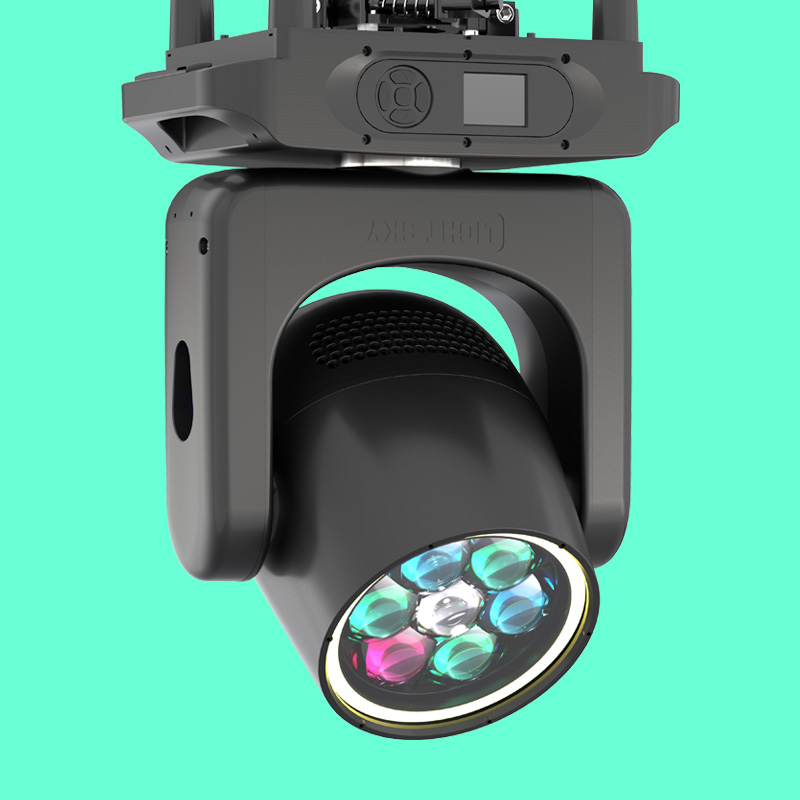
Large-scale events and intimate theater runs demand different lighting priorities; engineers choose gear based on beam control, color consistency, and system integration. This comparative review draws on specification analysis and field experience to map those priorities against common fixture types, starting with the practical strengths of a led moving wash and its role on festival mains. Coachella and select Broadway productions provide real-world anchors for rig size, cable runs, and operator workflows that shape which fixtures succeed on a live stage. The tone is factual: details come from specification sheets, test bench runs, and documented venue constraints rather than marketing claims.
Key trade-offs: moving wash versus zoom moving head
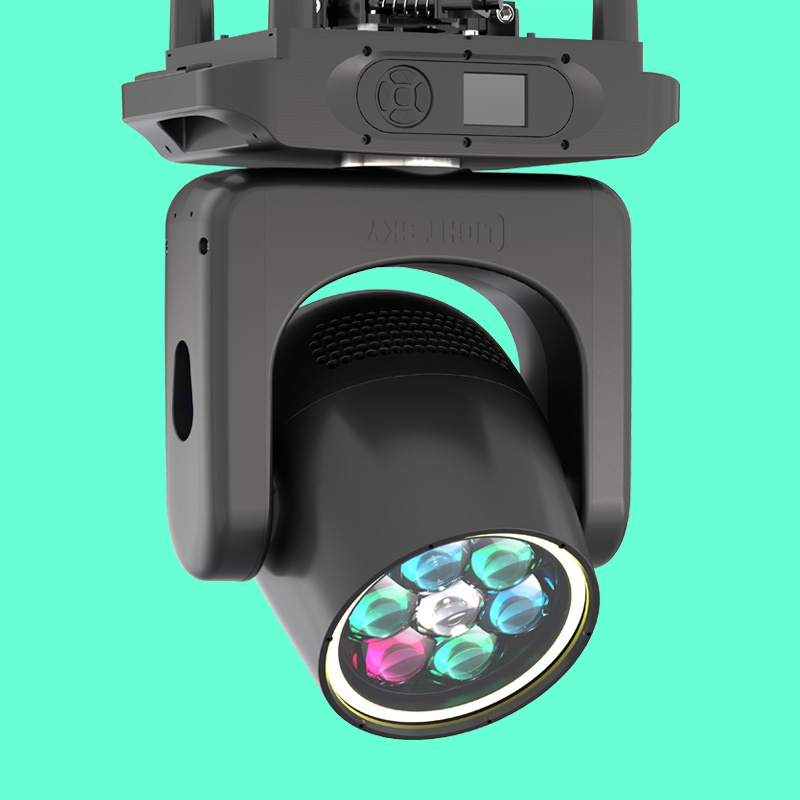
Moving wash fixtures distribute soft, even color across wide areas thanks to flat field optics and wider beam angle control; zoom moving head fixtures concentrate energy into tighter spots with variable zoom and sharper edges. The trade-offs are simple and measurable: a wash maximizes lumen coverage per fixture, while a zoom moving head light focuses lumen output into narrower angles for high-contrast looks. Where uniform wash and fast color mixing matter, choose a wash. Where gobo projection, long-throw focus, and tight beam shaping matter, choose a zoom head.
Operational production teardown: what to inspect before purchase
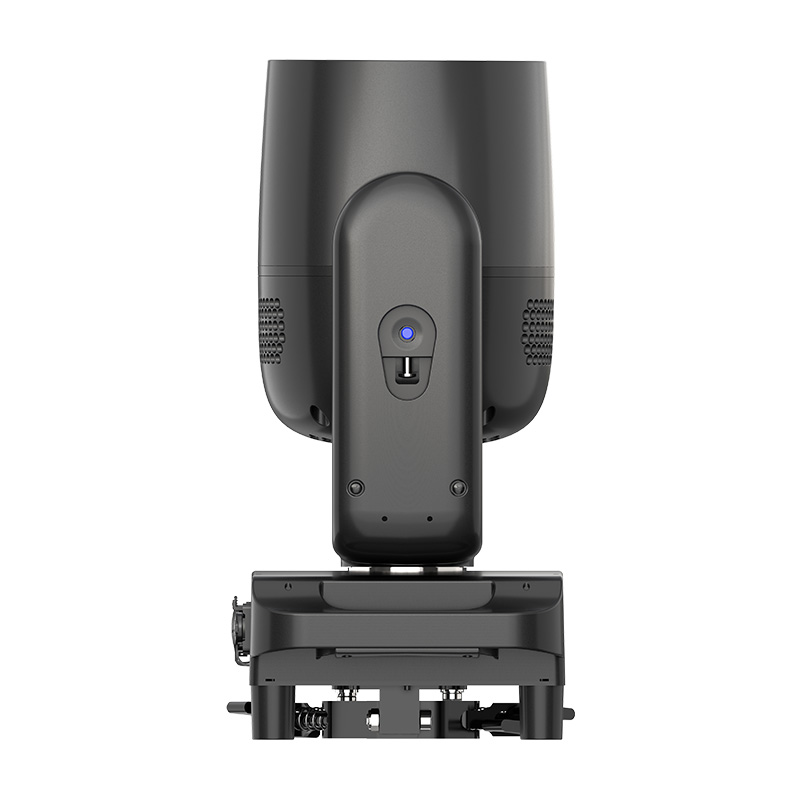
Inspecting a fixture in production terms means checking mechanical longevity, control protocols, and serviceability. Confirm DMX512 channel maps, verify PWM dimming rates to avoid flicker on camera, and test zoom mechanisms under load. A useful teardown compares a production batch of led moving wash units against led zoom moving head light units on the factory floor: note bearing life on pan/tilt, heat-sink design, solder quality on power stages, and the ease of replacing LED arrays. These checks expose where a light will require service versus where it will deliver long duty cycles without intervention.
Field performance, common mistakes, and practical metrics
On-site, teams often over-specify lumen counts and underweight beam control—resulting in wasted rigging points and uneven palettes. Typical mistakes include ignoring CRI for skin tones, using fixtures with incompatible IP ratings for outdoor shows, and overlooking inter-fixture color calibration. Test for consistent color temperature across dimming ranges and validate beam edge using gobos or iris adjustment. – Operators sometimes skip firmware updates; that creates interoperability problems later. When possible, run a DMX patch rehearsal and record a short camera pass to reveal PWM or color banding issues before load-in.
Alternatives and comparative costs
Beyond moving wash and zoom moving heads, consider hybrid fixtures that combine wash optics with a separate spot engine, or modular rigs that mix LED panels and profile spots. Discharge-based lights still offer high center-beam intensity but add lamp replacement and ballast complexity. Compare total cost of ownership: initial purchase, lamp or LED array lifespan, spare parts, and technician hours. Lumen output and IP rating matter less than matching beam shape and control architecture to the venue’s demands.
Advisory: three golden rules for selecting the right fixtures
1) Prioritize fit-to-purpose: match beam angle and zoom range to stage depth and sightlines, not just headline lumen figures. 2) Verify control and service specifics: confirm DMX512 mapping, firmware upgrade paths, and local parts availability. 3) Measure on-camera performance: check PWM dimming, CRI, and color stability under capture conditions; what looks fine live can reveal banding on broadcast feeds. Apply these metrics to procurement decisions and you reduce rework, shorten load-ins, and keep lighting budgets predictable.
Light Sky offers fixtures and documentation that target those selection metrics—optics specified for consistent beam angle, accessible service panels, and clear DMX charts—so technical teams can align rigs to the venue needs without guesswork. —
