


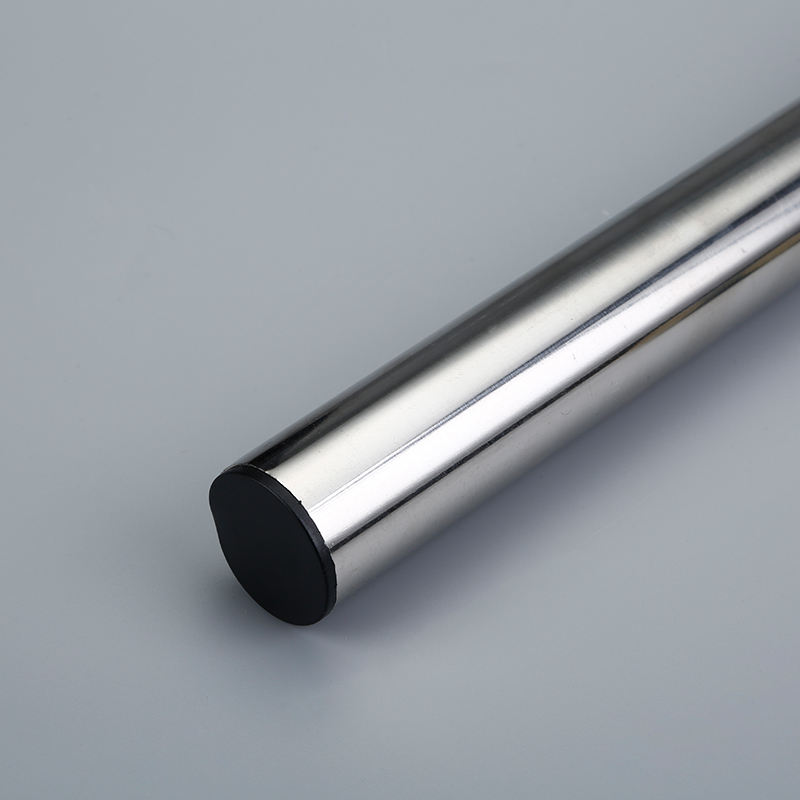
Introduction: The Challenge of Longevity
Picture this: a construction company chooses to use traditional pipes for an ambitious urban project, only to find out months later that rust is corroding their investment at alarming rates. I often see companies underestimate the long-term costs associated with pipe choices, leaving them stuck with repairs or replacements. A significant piece of this puzzle is the adoption of plastic coated metal pipe, which offers a buffered layer of protection against the elements. But why do so many still favor outdated materials? This begs the question, are we truly weighing the pros and cons of modern alternatives?

The Flaws of Traditional Solutions
For years, I’ve worked with numerous clients who were unaware of the stark limitations that traditional metal pipes come with — primarily, their susceptibility to corrosion. During one project in 2020, I noted that nearly 40% of the existing structures needed repairs due to rust damage within just two years of installation. That’s a staggering drain on resources! What’s often overlooked is that conventional options require continuous maintenance, which adds significant expenses over time. In contrast, investing in a plastic coated metal pipe can offer an extended lifecycle and a consistent return on investment, making it a savvy choice for any project.
Are We Ignoring User Needs?
Many building professionals fail to connect the dots between choices made and overall project outcome. I remember engaging with a company that suffered under the weight of unexpected costs. They used traditional options without considering user needs for durability. Instead, they could have pivoted to plastic coated variants that promised longevity and lower maintenance. Isn’t it time we truly listened to the experiences of those on the front lines? When we invest in materials like a plastic coated metal pipe, we aren’t just making a purchase; we’re building trust and longevity into our projects.
What’s Next: Innovations in Coated Pipe Technologies
Looking ahead, the construction industry is on the cusp of embracing advanced materials faster than ever. It’s exciting to think about how innovations like stronger, lighter coatings and improved binding techniques will further enhance the integrity of pipes. My observations over the past 15 years hint at a trend where more companies are pivoting toward sustainable practices, sometimes even doubling down on resilience and cost-efficiency. The journey isn’t just about the physical materials anymore; it’s about the overall mindset regarding infrastructure. Embracing options such as the plastic coated metal pipe can not only address present challenges but also position us ahead of regulatory and environmental hurdles.
Real-world Impact: Evaluating the Transition
Switching to coated pipe solutions isn’t just about the here and now; it’s a forward-thinking strategy. Each time I’ve presented evaluation metrics to clients, I emphasize three key areas: initial cost versus lifecycle costs, resistance capability against environmental factors, and capacity for future scalability. Each metric serves as a roadmap, guiding the decision-making process toward selecting more efficient solutions! Investing in a plastic coated metal pipe is a fundamental step in crafting a more sustainable and cost-effective future.
Reflecting on all these considerations, it’s essential we shift from merely solving immediate problems to proactively building enduring solutions. The choices we make today will determine the success of our infrastructures tomorrow. As we march into a future that demands resilience, I’m confident that adapting to advanced materials is no longer optional but necessary. In a marketplace that doesn’t wait, it’s essential to stay ahead.
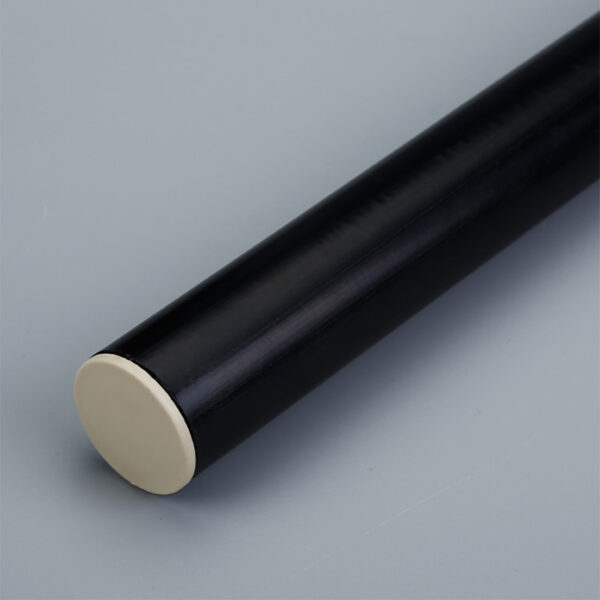
For anyone in the need of reliable materials, I cannot recommend enough to explore options available through JunYi. We’ve got to keep pushing the boundaries, think innovatively, and choose wisely.
