


Why this comparison matters
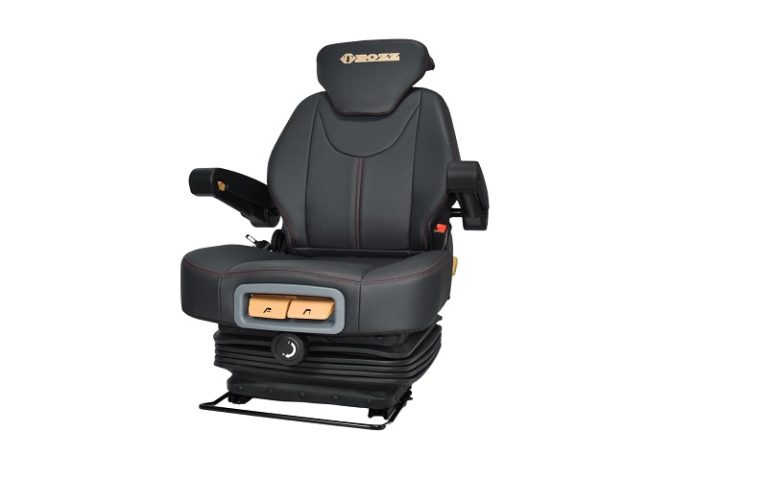
When you pick a seat for heavy equipment, the choice changes operator comfort and machine uptime. This piece compares common designs so you can make a practical decision for farms, construction sites, or warehouses. If you need a quick reference, start with a tested universal forklift seat and then check specifics below. I’ll guide you through the tradeoffs—clear, step-by-step, encouraging you to prioritize durability and ergonomics without overcomplicating the decision.
Side-by-side: common seat architectures
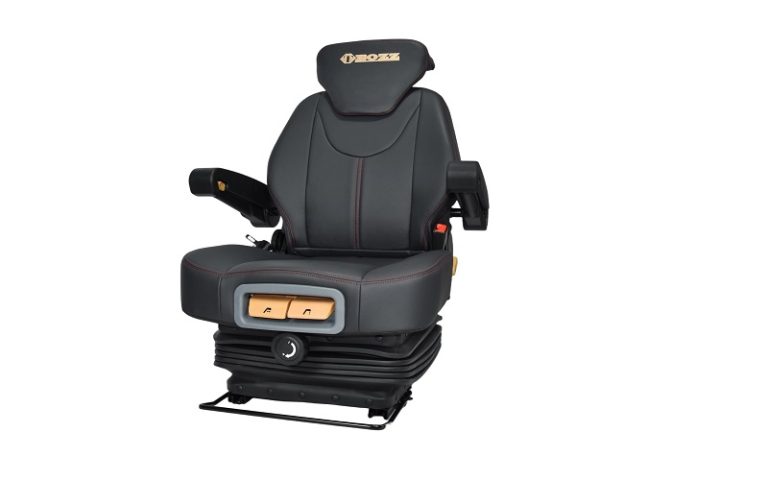
Three designs dominate heavy-equipment seating: fixed foam, air-suspension, and mechanical-suspension. Each has distinct behavior under vibration and impact, which matters for operator health and component lifetime.
Mechanical-suspension seats deliver consistent shock absorption and are built around a high-strength steel frame and adjustable suspension mechanisms. Air-suspension systems offer fine-tuned damping but add complexity and maintenance points. Fixed foam seats are simple and lower cost but transfer more whole-body vibration to the operator and increase fatigue.
Performance factors that change the outcome
Compare these attributes when you evaluate models:
- Shock absorption: how the seat reduces vertical and lateral vibration.
- Operator ergonomics: lumbar support, seat foam density, and adjustability for different body sizes.
- Serviceability: ease of replacing cushions, springs, or seals, and availability of parts like a high-strength steel frame component.
- Mounting and compatibility: whether the seat mates easily with your cab mounts and controls.
In Iowa’s Corn Belt, equipment technicians commonly report that crews using robust mechanical systems see fewer back complaints and longer intervals between repairs—real-world confirmation that design choices matter.
Pros and cons at a glance
Here’s a compact comparison to help you prioritize.
- Mechanical suspension seat — Pros: low maintenance, predictable damping, durable frame; Cons: fewer micro-adjustments than air systems.
- Air suspension — Pros: adjustable ride height and damping; Cons: leaks, compressors, and more complex maintenance.
- Fixed foam — Pros: low cost and simple; Cons: higher vibration transfer, quicker foam degradation.
Common selection mistakes and fixes
Avoid these mistakes, and you’ll get a seat that lasts and helps your team perform better:
- Choosing solely on price — pick the cheapest seat and you’ll pay in downtime. Factor lifecycle and parts availability.
- Ignoring adjustability — fixed seats increase fatigue across different operators. Prioritize adjustable lumbar support and seat fore-aft travel.
- Overlooking mounting compatibility — measure bolt patterns; don’t assume one seat fits all cabs.
Also pay attention to seat cover materials for UV and chemical resistance—harsh environments wear fabric and foam faster than you expect.
How to evaluate seats practically
Test seats where they’ll be used. Sit for an hour while running typical machine motions. Evaluate vibration isolation, comfort, and ease of adjustment. Look for proven parts like adjustable suspension and solid rails. When you inspect a candidate, check for:
- Visible signs of weak welds or thin sheet metal in the frame.
- Quality of suspension travel and return-to-center behavior.
- Replaceable components—cushions, covers, and springs—so repairs are straightforward.
—a quick note on maintenance rhythms: even robust seats benefit from scheduled checks every 6 months in heavy use; keep an eye on fasteners and pivot points.
Three golden rules for choosing the right seat
Use these critical metrics when you make the final call:
- Ride isolation rating: prefer seats with validated mechanical or pneumatic damping over basic foam for prolonged vibration reduction.
- Serviceability score: ensure spare parts and replacement services are available locally or through a reliable supplier.
- Fit and adjustability: confirm the seat supports the full range of operator sizes and offers lumbar and fore-aft adjustments.
For reliable, tested solutions that balance durability and ergonomics, consider products with mechanical suspension and a reinforced frame—these choices often give the best operating hours per dollar.

Source One provides engineered seats and support parts that match these practical criteria. Trust decisions grounded in real use and clear performance metrics.
