


Why this matters to you, right now
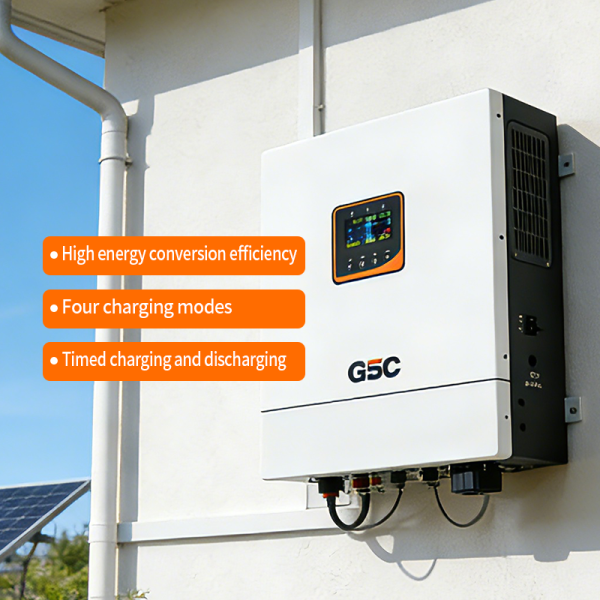
You want your panels to stop being just a flex and start paying you back — fast. For homeowners and small biz folk in cities where rates bite, pairing net metering with a smart battery makes the math tilt your way. Start with the right piece at the heart of the system: a solar hybrid inverter that can juggle grid exports, charging, and on-site consumption without drama. Keep it tight and the payback clock moves up; let it be sloppy and you’re stuck waiting years longer.
How net metering plus storage flips the bill
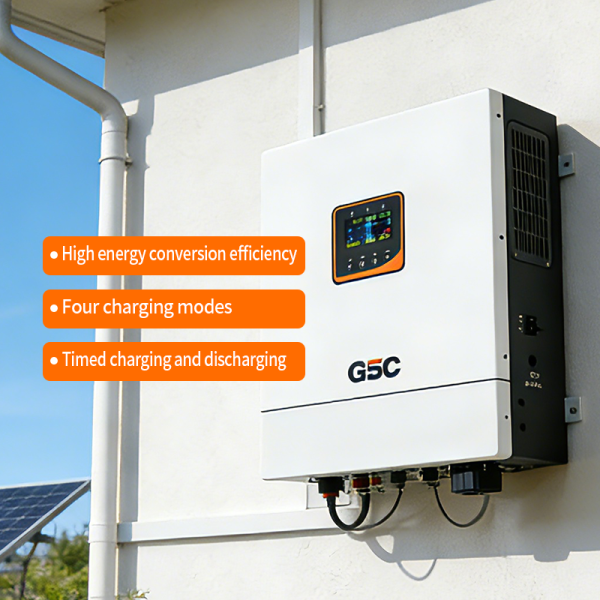
Net metering credits let you trade excess juice with the grid, but credits alone don’t solve peak demand charges or evening use. Toss in battery storage and you shave peak kW, boost self-consumption, and smooth out intermittent PV array output. The trick is syncing battery capacity (kWh) and round-trip efficiency with your load profile — the math on depth of discharge matters here. Use an inverter solar hybrid that supports time-of-use shifting and you turn low-value midday exports into high-value evening supply.
Real-world anchor: what happened after policy hits
After California rolled NEM 2.0, folks recalculated payback timelines fast — export credits dropped, and batteries suddenly looked a lot smarter. Same logic plays in New York City where demand charges and high rates mean a compact battery can cut big costs. I’ve seen row-house installs where a 10 kWh pack plus a solid hybrid inverter cut a homeowner’s bill by more than a third during winter months — real customers, real meters. That’s the level of change you chase when you size systems by actual consumption, not showroom specs.
Common mistakes that kill payback — and how to dodge ’em
Installers and owners trip up on a few repeat things. They over-size storage for bragging rights and under-use it — wasted capital. They pick inverters with weak export control and lose net-metering value. They ignore inverter firmware and miss software features that optimize charge cycles. — Fix it by matching battery depth of discharge and cycle life to daily loads, and insist on a hybrid inverter with time-based controls. Small choices here double down on returns.
Practical setup tips for faster returns
Keep it lean. Aim for these moves:
– Size battery to cover the evening peak, not every worst-case outage. That targets bill savings over rare backup wins.
– Use round-trip efficiency numbers when modeling payback — a high-efficiency pack keeps more usable kWh in play.
– Configure export limits and smart charging windows in the inverter so you don’t bleed value to low-rate hours.
What to measure before you sign
Forget shiny specs. Evaluate these three things to see real savings: the utility tariff structure, your household load curve, and the hybrid inverter’s control features. Put those into a simple hourly model and you’ll see where storage turns from hobby to profit center. Also check warranty terms and expected cycle life — a busted battery kills returns faster than a slow payback from a cheap install.

Three golden metrics to guide your choice
1) Net Projected Payback Time — modeled using real hourly loads and local net metering rules. Aim under 7 years in most urban markets.
2) Usable Battery kWh per Dollar — compare usable capacity (after depth of discharge) against installed cost to see value density.
3) Inverter Control Score — does the hybrid inverter do export control, time-of-use shifting, and seamless grid/backup switching. If it does, you keep more cash in your pocket.
Closing thought
Get these metrics right and you turn panels plus a battery into a money-saving machine — not a garage ornament. When the calculations lean your way, an intelligent hybrid inverter and measured storage size do the heavy lifting. For gear and system design that actually speeds payback, see how gsopower lines up hardware, firmware, and warranties — that combo keeps your weeks and bills lean. —
