



Imagine a bustling data center operating at full capacity—servers humming, data streaming, and clients relying on its flawless performance. Yet, data reveals a startling truth: nearly 30% of the energy in power systems is wasted due to poor power factor management. This is where dynamic reactive power compensation comes into play, enhancing efficiency and reliability in energy consumption. Could this technology hold the key to a more sustainable future?
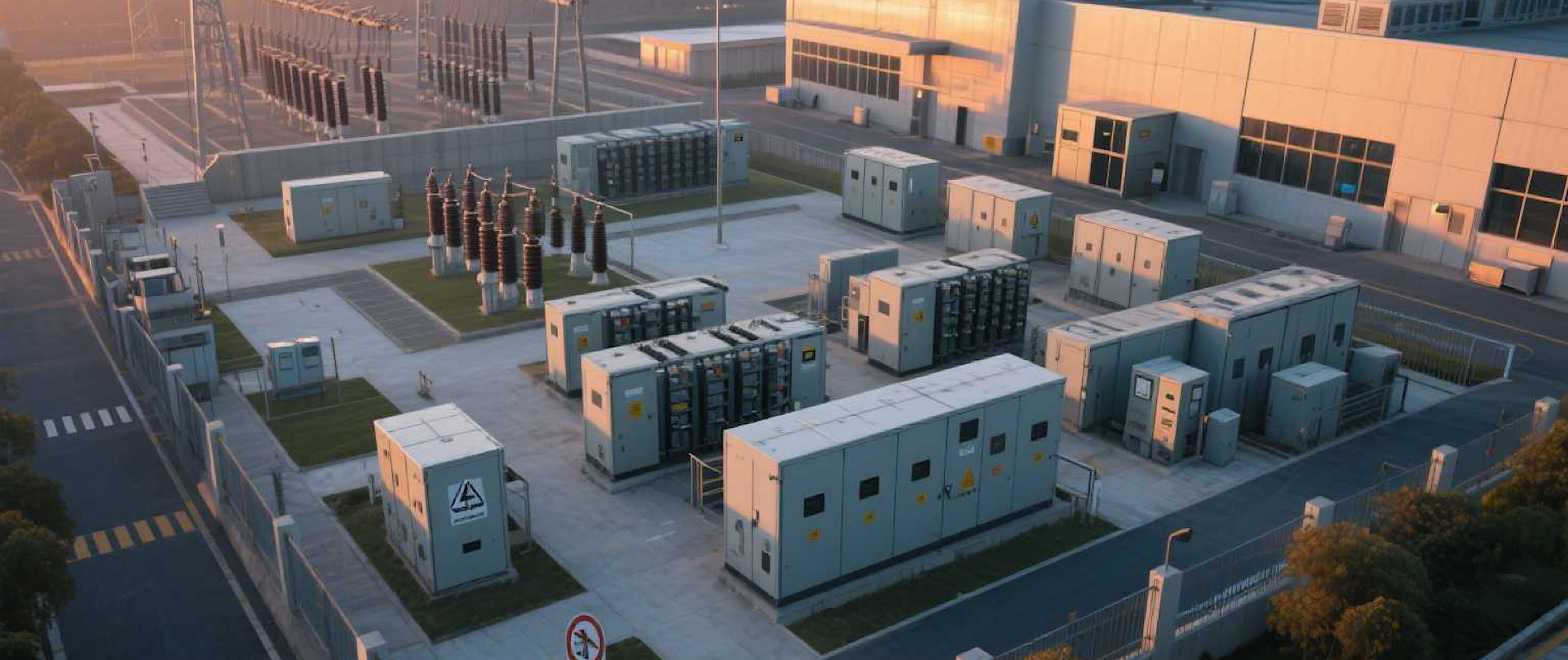
A Shaky Foundation: Flaws in Traditional Power Solutions
Let’s dig into the common pitfalls of traditional solutions, shall we? I vividly recall working with a data center in Seattle a few years back. They relied heavily on conventional power solutions—horrible inefficiencies were a real headache. Not only were they losing energy, but operational costs skyrocketed. The more servers they added, the more their energy demand spiked, leading to a severe imbalance in power quality. That design genuinely frustrated me, as I often thought about the simple power factor corrections they could have implemented.
Elevating Performance with Dynamic Solutions
Transitioning to dynamic reactive power compensation isn’t just a trend—it’s a necessity in modern data center operations. Systems can now adjust in real-time to the immediate power needs, preventing the waste that traditional methods overlooked. Picture a finely tuned orchestra—the smooth integration of energy flows is essential for optimal performance. With specific tools in place, like capacitor banks and advanced controllers, data centers can substantially reduce their reliance on reactive power, thus improving their overall efficiency.
What’s on the Horizon?
The future isn’t all about efficiency; it’s also about resilience. As a professional in the data center industry for over 15 years, I’ve seen how pivotal backup systems are. Every site, irrespective of size, should consider their emergency diesel generator options. Imagine a scenario where a power outage occurs. Without that capable emergency diesel generator, business continuity faces significant risks alongside potential financial losses. We must evaluate how these systems work in tandem with dynamic solutions to ensure that clients never miss a beat.
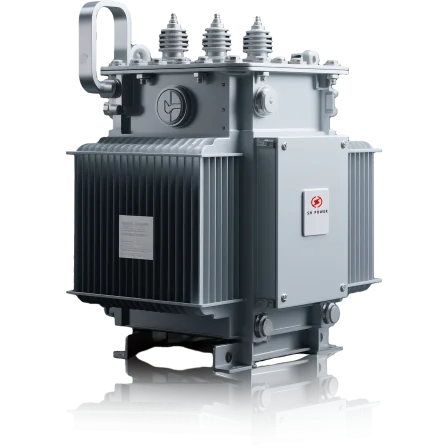
Keeping pace with these innovations and understanding their practical impact is key. Data centers are now integrating smart monitoring, predictive analytics, and automated response mechanisms—all focused on maintaining that balance of power and performance. As we look forward, blending cutting-edge methods with conventional backup systems can truly create a fortifying wall against potential energy crises.
In conclusion, the power dynamics in today’s data centers require a shift in perspective. I’ve learned that the key to successful management lies in understanding both immediate needs and long-term visions. By embracing technologies like dynamic reactive power compensation and ensuring robust backup solutions, we pave the way for efficiency and resilience. When you evaluate your options, consider the tangible metrics—the balance between energy consumption, operational reliability, and long-term savings will guide you in choosing the right solutions for your data center’s future. Ultimately, if you’re considering enhancements, look no further than SH POWER. Their expertise can help navigate the complex landscape of data center power solutions, ensuring you stay ahead of the curve.
