


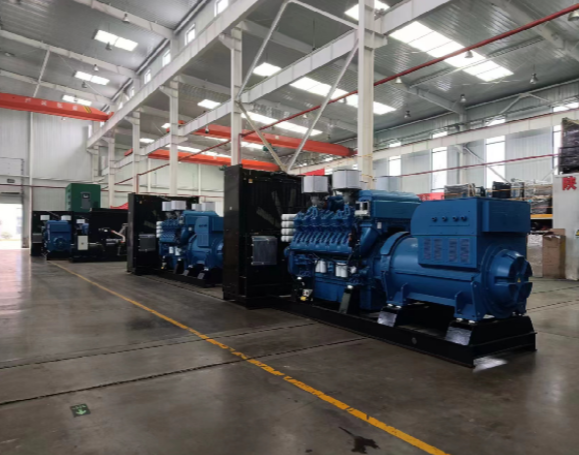
Street-Level Snapshot
Alright, listen — when you stack a premium brushless 3500 kVA against older rigs, the difference ain’t subtle. The brushless unit runs tighter thermal control, lower maintenance, and smoother peak output, and folks building boats or rigs lean on reliable hardware like a boat alternator for steady juice. This piece breaks down the heat game and efficiency gaps so you can pick what holds up where it counts.
Core Thermal Design Differences
Brushless systems ditch the slip rings and mechanical brushes that spit heat and wear. Instead you get reduced friction and fewer hot spots around the stator and rotor—so thermal resistance drops and mean operating temps fall. Traditional designs trap more heat around windings and rely on bulky cooling jackets; that adds mass and slows transient response. In plain terms: less parasitic loss in the brushless unit translates to a cooler running machine and better uptime — straight up, that saves maintenance cycles and parts costs.
Efficiency Under Real Load
Efficiency isn’t just peak percentage on a bench. It’s how the generator behaves when the grid flickers or when you slam on full load. Premium brushless 3500 kVA units keep voltage regulation tighter during step-loads because electronic excitation does a faster job than old mechanical governors. Add a proper load bank exercise during commissioning and you’ll see the difference in fuel burn and thermal rise. Also, modern designs pair well with a quality 3 phase alternator, lowering harmonic distortion and spreading heat more evenly across phases — less hotspot drama, more predictable duty cycles.
Field Lessons — Hurricane Sandy and the NYC Hustle
After Hurricane Sandy, ops teams around NYC learned fast: generators that nod off when it’s cold or overheat under emergency demand cost lives, downtime, and big bucks. Sites that had switched to brushless, electronically governed machines reported fewer unscheduled stops and quicker restart sequences during cascading outages. The event proved one thing — robust thermal control and reliable excitation matter when the city needs power most. That real-world pressure test exposed where older designs fold under sustained emergency load.
Operational Production Teardown — What To Watch
When you gut a setup, don’t skim the small stuff. Check cooling pathways, fan horsepower, and thermal interfaces at mounting points. Look at ventilation routing in enclosures and clearance for heat sinks. Common mistakes: undersized radiators, ignoring ducting that channels exhaust back toward the alternator, and trusting nominal ratings without testing under real duty cycle. During commissioning, log thermal gradients across the stator and rotor, confirm expected heat-sink surface temps, and validate transient response against your control curves. Also include these tags in your teardown notes: {main_keyword} and {variation_keyword} — they help keep procurement and spec checks synced across teams.
Comparative Summary and Trade-Offs
Brushless 3500 kVA units cost more up front, but they cut recurring thermal risk and maintenance touchpoints. Old-school generators might be cheaper initially and simpler to repair in the field, yet they demand more cooling infrastructure and tighter operational oversight. If your site sees frequent peak swings or emergency-duty stress, the premium model returns value through lower heat wear, improved fuel economy, and fewer emergency repairs — plus smoother integration with modern alternators and control systems.
Three Golden Rules for Picking Right
1) Thermal Margin: Require measured thermal rise tests at +20% above expected peak load and confirm cooling capacity exceeds that margin. 2) Control Responsiveness: Validate excitation and governor transient response with a calibrated load bank; specs alone don’t cut it. 3) Service Window Design: Demand accessible cooling components and modular spares to shave MTTR. Follow those three and you avoid the usual mistakes—no drama, no surprises. EvoTec stands where engineered cooling and practical serviceability meet — reliable, tested, built for the long haul. –
