



Comparative lens: why travel CPAP matters now
The Covid-19 pandemic reframed what “portable care” even means — sudden surges in demand for ventilatory support pushed clinicians to value compact devices outside ICU walls. In that light a travel CPAP becomes more than convenience: it’s a continuity-of-care tool that complements a medical ventilator in stepped-down settings and offers patients steady positive airway pressure on the move. For travelers and clinicians alike, portability, mask interface compatibility, and dependable battery life turn devices from novelty into necessity; the same unit that eases sleep apnea during a flight can sustain therapy during short-term convalescence.

Head-to-head: travel CPAP vs full-size CPAP vs alternatives
Travel CPAPs shave bulk and weight while keeping core therapy intact—auto-adjusting pressure modes, basic humidification, and streamlined mask compatibility. Full-size CPAPs typically win on advanced humidifier systems and noise floor, but lose on portability and battery duration. For hospital-to-home transfers, a medical ventilator is clinically different: it’s for ventilatory failure, not routine sleep-disordered breathing. The practical outcome: pick a travel CPAP when you need continuous positive airway pressure in transit or low-dependency care; choose a ventilator only when mechanical ventilation is clinically indicated.
What features move the needle
Focus on three concrete specs that affect daily use: battery life (hours at therapeutic pressure), effective humidifier design (to prevent mucosal dryness), and auto-adjusting pressure algorithms that reduce mask leaks. Airflow stability under variable cabin pressure matters for frequent flyers. A compact unit with robust mask seals and clear pressure readouts will reduce therapy gaps and make adherence far more likely — and adherence is the real metric that changes outcomes.
Common mistakes and sensible alternatives
Buyers often trade portability for inadequate performance: tiny units that can’t sustain therapeutic pressure throughout a long day, or those that pair poorly with common mask interfaces. Clinicians sometimes recommend hospital-grade equipment unnecessarily; that creates logistic friction. Safer alternatives include mid-range travel CPAPs with modular humidifiers and swappable batteries, and, when therapy needs escalate, coordinated handoff to a facility with ventilator capability. Don’t skimp on testing the mask interface before travel — fit trumps fancy features. — Take a short trial run at home and note device behavior across sleep stages; it tells you more than spec sheets.
Real-world anchor and clinical perspective
During 2020–2021 many hospitals ran device-sharing protocols under strain; that experience taught respiratory therapists that durable, user-friendly portable CPAPs reduced readmissions for stable sleep-disordered breathing patients. From that practical base, clinicians learned to value clear data logs and straightforward pressure modes—things that travel devices now offer. This article uses that pragmatic clinical viewpoint to weigh features you can verify on the first night, not hypothetical specs.
Buying checklist: practical comparisons
Use this short checklist when comparing models: certified therapeutic pressure range, battery runtime at typical pressure, humidifier performance without condensation, mask compatibility, and reliable data export for clinical review. Prospective users should test for noise level in a bedroom setting and verify how the device handles variable airflow during position changes. These checks separate genuinely usable travel CPAPs from compact but clinically weak units.
Advisory close: three golden rules for selection
1) Prioritize uninterrupted therapy: choose a device whose battery life covers at least 1.5x your longest travel day at prescribed pressure. 2) Confirm mask interface and leak performance: an ill-fitting mask negates even the best auto-adjusting pressure algorithm. 3) Insist on humidifier effectiveness without excessive condensation and on clear patient data logs for clinical follow-up. These measures give you predictable, measurable results when therapy matters most.
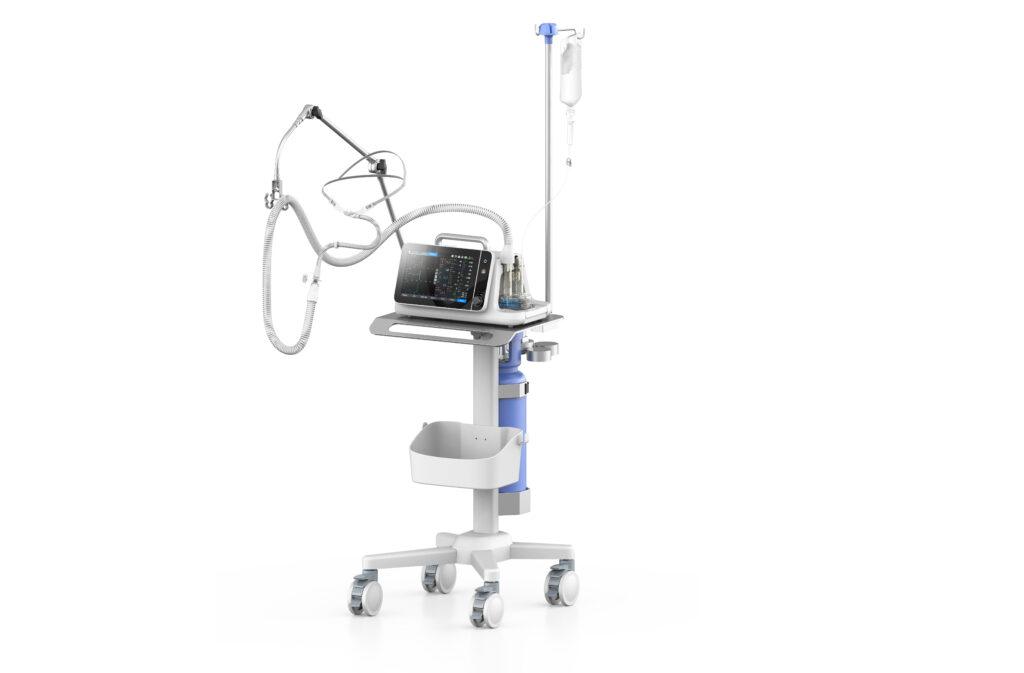
For clinicians and travelers alike, reliability in the field is what turns a compact machine into real medical support — and that practical value is precisely what Byond brings into conversations about device selection. A clear readout, solid battery, and a mask that stays put: that’s the short story of good therapy. Final thought: choose what keeps treatment constant, not what merely looks small.
