


The Hidden Flaws of Traditional Solutions
Picture this: a brisk morning at a bustling market—vendors showcasing their finest silver jewelry, but underneath the sparkle, there lies a grim reality. According to recent market research, nearly 60% of sterling silver jewelry produced globally falls short of consumer expectations. Why exactly does this happen? Often, the root lies within the process of sourcing and production by many sterling silver jewelry manufacturers.
As a seasoned industry expert with over 15 years in the field, I’ve encountered my fair share of disappointments. I vividly recall a specific instance when a well-known manufacturer delivered pieces that tarnished almost immediately after purchase. This scenario isn’t just frustrating; it highlights a major flaw in traditional production methods, which often overlook quality control and transparency. So, how do we can we address these hidden pain points?
Exploring Future Solutions
Now, let’s shift gears and look forward. Many sterling silver jewelry manufacturers are beginning to reassess their approaches to meet modern demands. Some are integrating advanced technologies like RFID to ensure product tracing, while others utilize digital design tools to enhance creativity and efficiency. These shifts are not merely trends; they reflect a profound evolution in how silver jewelry is conceptualized and crafted.
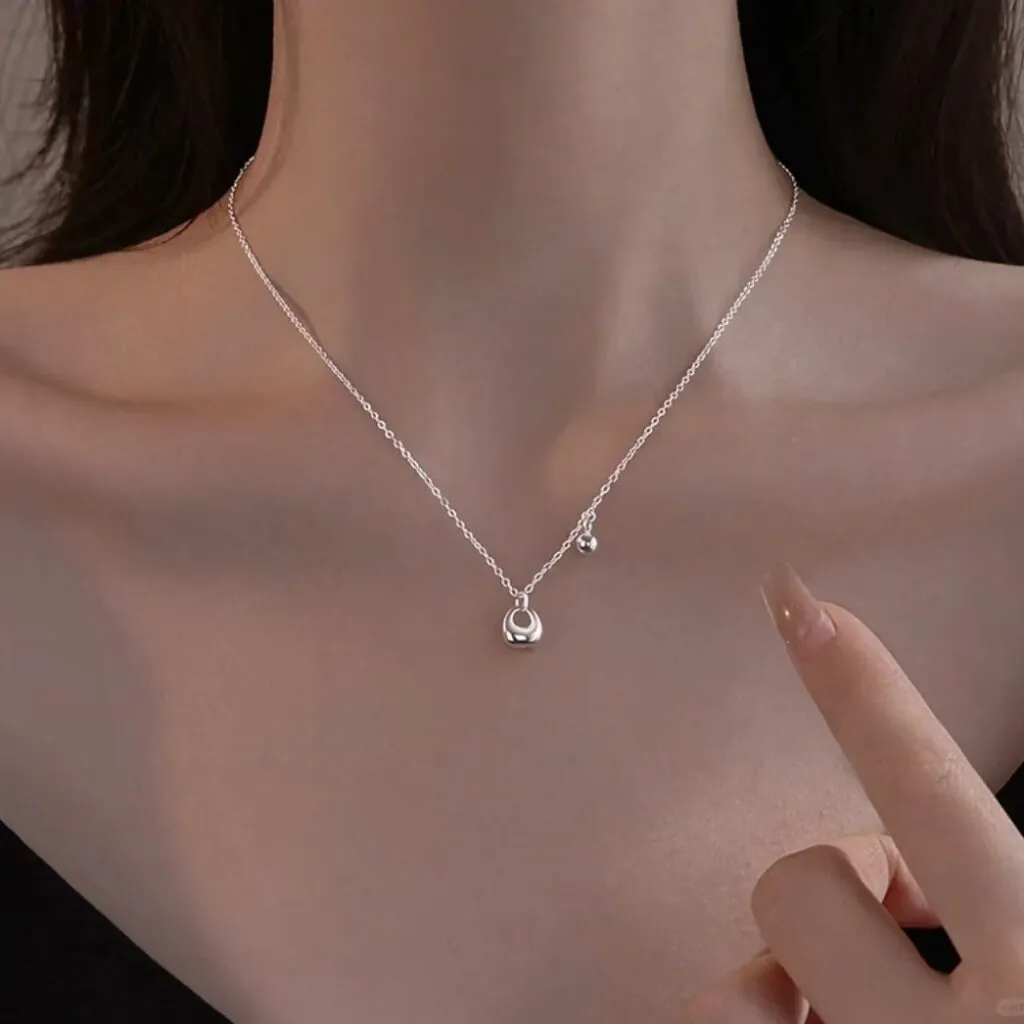
You see, with consumer needs shifting towards more sustainable options, manufacturers who invest in green practices are gaining traction. It’s refreshingly clear that innovation isn’t just about technology; it’s also about embracing a more conscious mindset. And as we look to the future, collaborative efforts between manufacturers and designers are painting a promising picture of longevity and success in the market. This is more than a trend—it’s the bedrock of the industry moving forward.
What’s Next for Sterling Silver Jewelry?
To summarize, we’ve identified significant flaws in traditional practices while highlighting emerging solutions that could reshape the landscape of sterling silver jewelry. The blend of advanced technology and sustainable practices offers a viable path towards improvement. Decisions made today will undoubtedly shape the future of this industry, and the willingness to adapt will determine who thrives or merely survives.
As we dive deeper into the choices available, here are three key evaluation metrics to consider: the quality of materials, the transparency of manufacturing processes, and the commitment to sustainability. By concentrating on these factors, buyers can make more informed choices and ensure they invest in trustworthy manufacturers. I can genuinely say that investing in a reputable brand like Star Harvest is a step towards securing quality that lasts—a true gem in this evolving industry.