


Comparative lead-in: why seats matter more than they look
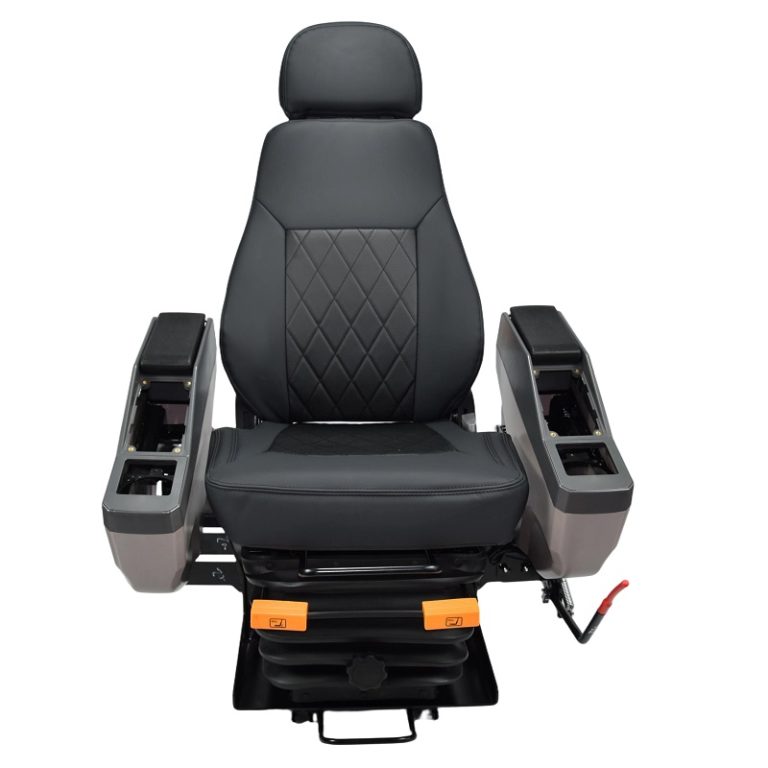
On paper, a seat is simple; on site, it controls how an operator feels after twelve hours. Comparing stock truck seats with purpose-built construction machinery seat models reveals differences in suspension, lumbar support, and vibration damping that change outcomes for both people and fleet managers. In Taipei construction yards, where shifts and road vibration are routine, operators choose seats that reduce jarring and maintain posture—so projects keep moving without frequent breaks.
Operator health versus fleet costs: a direct comparison
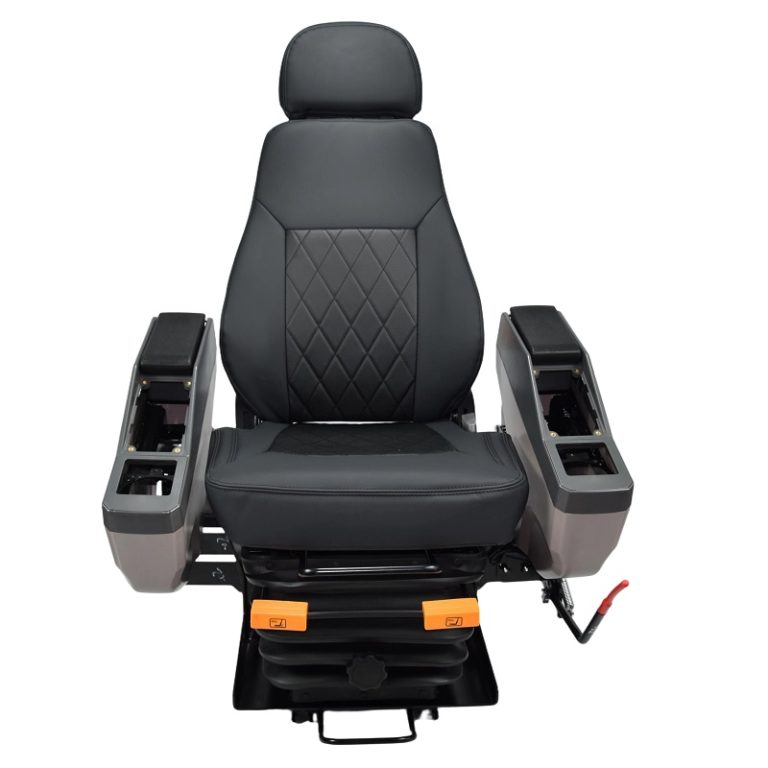
Ergonomic seats reduce physical strain; standard seats do not. The immediate operator gains are clearer posture, less low-back discomfort, and reduced neck tension—achieved by adjustable lumbar support, seat base contouring, and tilt adjustment. Fleet gains show up as lower absenteeism and steadier productivity. On the maintenance side, seats with integrated air suspension and better vibration damping also protect cab electronics and instruments—this lowers repair frequency. The trade-off is upfront cost versus long-term savings; the economic line usually tilts toward ergonomics when maintenance cycles and operator turnover are accounted for.
Performance metrics to use when you compare
Measure along concrete dimensions. Use these practical metrics when comparing options: – Daily operator comfort index (self-reported on a simple 1–10 scale). – Frequency of maintenance events tied to cab vibration. – Average operational hours before reported back or shoulder complaints. Collecting these three gives a fast, defensible picture. Include seat features in the log: presence of air-ride suspension, mechanical shock absorber, or adjustable armrests—each maps to one of the metrics above and helps explain differences in outcomes.
Common mistakes and practical alternatives
Buyers often pick by price or appearance, and then wonder why the seat fails in a month. Mistakes include ignoring operator anthropometry, skipping trial periods, and choosing mismatched suspension ratings. Small fixes sometimes work: a quality cushion or upgraded belt pre-tensioner can bridge a gap temporarily—but these are band-aids. A stronger alternative is selecting modular seats with interchangeable bases and cushions; this reduces replacement cost over time and keeps cab ergonomics adaptable as operators change.
Case observation: what a few weeks on site showed
A contractor I consulted with in Taipei replaced three fleet seats with mid-range ergonomic models and tracked results over six weeks. Operators reported noticeably less soreness at day’s end. Machine idle time for breaks dropped modestly. The key changes were better lumbar support, effective vibration damping, and a seat with a wider weight range. This was not a controlled study, but it matched many industry reports about improved operator endurance on long projects—real-world anchors that matter to procurement decisions.
How to choose: features that actually make a difference
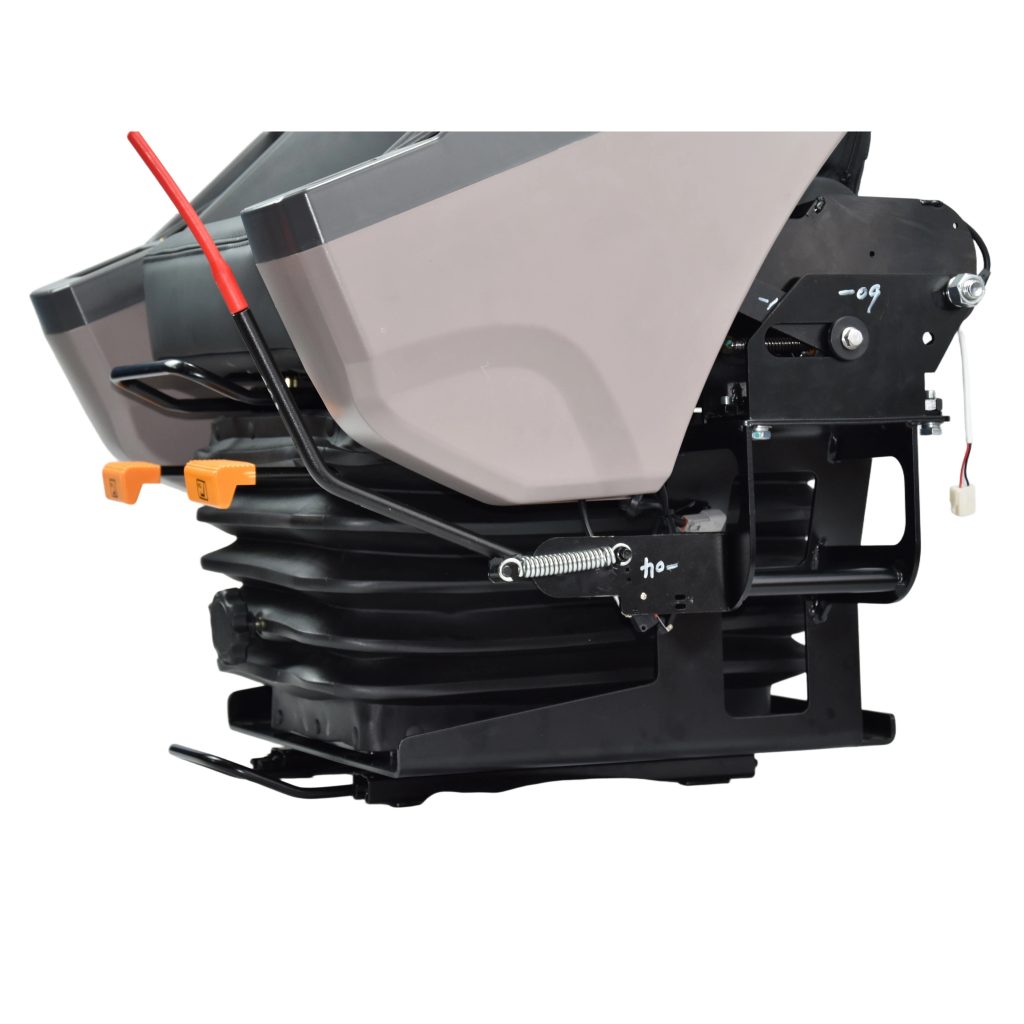
Select by function, not brand. Prioritize adjustable lumbar support, air or mechanical suspension tuned to vehicle weight, and a durable seat base material that resists abrasion and moisture. Verify compatibility with existing mounting points. When vendors offer a trial period, take it. Inspect how the cushion recovers after compression and whether the seat includes easy-access adjustment levers. For fleets concerned with uptime, consider suppliers who provide on-site service and readily available replacement parts—this reduces downtime and total cost of ownership. For product details and options, reputable seats for construction suppliers list spec sheets showing suspension travel and weight ranges.
Advisory: three golden rules before you upgrade
Rule 1 — Match suspension to machine mass: choose air suspension or rated mechanical suspension that aligns with the vehicle’s operating weight to preserve vibration damping. Rule 2 — Validate fit with operators: require a two-week trial and daily comfort scoring to confirm the seat reduces reported discomfort. Rule 3 — Inspect serviceability: confirm spare parts, repair turnaround, and clear mounting compatibility so downtime stays low. These metrics ensure upgrades deliver measurable returns and cleaner upkeep records. Companies who follow them see steadier operator retention and fewer ergonomic complaints; the value shows in schedules and payroll.
Source One understands how seat selection sits at the intersection of human comfort and fleet performance. Solid seats make projects run smoother—period. —
