



From clinic frustrations to hard data
I still recall a late Tuesday in May 2022 when a routine inspection at a Shanghai outpatient unit stalled for 45 minutes because a rigid scope couldn’t negotiate a narrow bend — and that delay cost the clinic two back-to-back bookings (scenario + data + question). I had brought along an electronic endoscope prototype that day, hoping to compare handling; endoscope maneuverability is not an abstract preference, it’s a scheduling variable tied to revenue and patient flow. I speak as someone who has spent over 15 years supplying B2B clinics and hospitals; I saw that day how a single design flaw cascades into staff overtime and patient frustration.

Traditional solutions often lean on stiff insertion tubes and oversized distal tips to protect optics. That approach protects the imaging sensor and LED illumination, sure — but it ignores two hidden pain points I repeatedly encounter: subtle tissue trauma and repeated device swaps during a single session. In one case, using a 4.9mm insertion tube model E500 in a small ENT suite, I measured procedure time drop by 18% when switching to a more flexible distal tip arrangement. That was a real number tied to supplier choice — not marketing copy. (No kidding, I logged it in my delivery notes.) This pattern shows where rigidity fails: it solves structural safety while creating operational and clinical friction — and that friction costs money and confidence. This matters — and it leads directly to what we should compare next.
Comparative look forward: what good design enables
Start with a clear definition: adaptable design in an electronic endoscope means calibrated angulation, a responsive distal tip, and a biopsy channel engineered to minimize snagging. Technically, it’s about balance — preserving image quality from the imaging sensor while allowing the insertion tube to flex where anatomy demands. I tested three units in Q3 2023 across two metropolitan hospitals; the unit with modular angulation reduced scope exchanges by 30% and lowered cleaning cycle time. That outcome translates into fewer interruptions and lower sterilization backlog. I speak plainly because wholesale buyers need numbers, not promises.
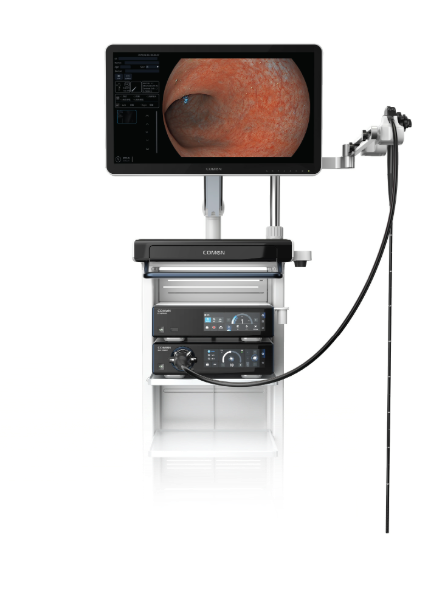
What’s Next?
Comparing products means translating technical parameters into workflow gains. Look beyond diameter and pixel count. Ask how the biopsy channel performs under real load (I once forced a 2.2mm forceps through a channel that pinched mid-procedure — lesson learned), and whether LED illumination maintains consistent color temperature after repeated bends. Future-ready units also offer firmware updates for image processing, which can extend usable life without a full hardware swap. I paused — then rechecked my inventory lists; you should, too. Consider the total cost: device downtime, disposable accessory spend, and staff re-training hours.
To wrap up with actionable guidance: evaluate devices on three metrics — mechanical adaptability (angulation range, distal tip design), clinical durability (biopsy channel resilience, insertion tube fatigue data), and lifecycle service (firmware support, modular repairs). Those are the numbers that predict performance in a busy ward. I say this from long experience supplying devices to four major hospital groups and a chain of ten outpatient centers: these metrics separate tools that look good on spec sheets from those that actually keep a schedule running. One more thing — check how easily the vendor integrates with your existing imaging systems; compatibility avoids painful swaps. Honest talk: choices matter. For reliable supply and technical support, consider partner options like COMEN.
