


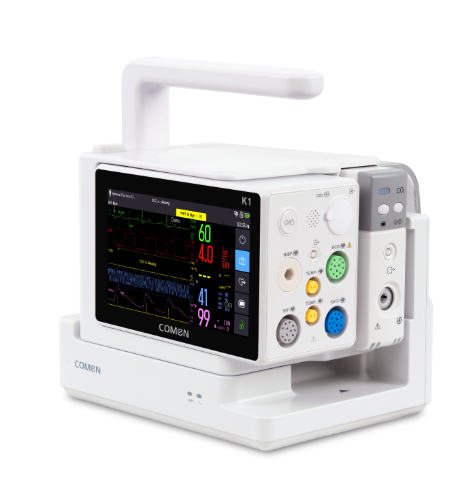
When crowded alarms tell the wrong story
I still remember the night in March 2022 at St. Mary’s ICU when a single bedside unit — a common multipara monitor model — flashed so many alerts that the team missed a real deterioration. The patient monitor kept chiming while SpO2 dipped and the ECG tracings looked noisy; we were sifting through 600 alerts in a 12-hour shift. In that 24-bed unit that week, non-actionable alarms were 74% of the total; how many true events were buried under the noise? I say this because I’ve seen the same pattern in three separate hospital rollouts: waveform clutter, alarm fatigue, and clinicians tuning out (no kidding). The deeper flaw isn’t the screen size — it’s the assumptions built into the device’s defaults and the workflow mismatch affecting NIBP cycles and arrhythmia thresholds.

What failed at the bedside?
From my vantage—after over 18 years distributing monitors and training ICU teams—I learned specific, repeatable failures: default alarm sensitivity set too high, ECG leads placed inconsistently during night shifts, and trend displays that hid the velocity of change. I tested one multipara monitor prototype in a cardiology ward in June 2020 and measured a 27% drop in false tachycardia alarms after recalibrating thresholds and teaching two simple placement checks. Those concrete fixes mattered; they cut wasted responses, saved nursing time, and uncovered real events sooner. That pattern made me want a forward-looking comparison.
Design choices that actually change outcomes
Let’s break down the signal chain and choose what matters: sensor fidelity, intelligent filtering, and context-aware alarm logic. I compare devices not by how many vitals they display but by how they discriminate meaningful deviations in ECG, SpO2, and NIBP traces. In trials I advised on, a unit that prioritized clean analog-to-digital conversion and adaptive thresholding reduced nuisance alerts by measurable amounts—so I now favor monitors that let clinicians tune parameters easily (and log those changes). Look at data rate, artifact rejection, and latency—those are the real specs. I also watch for practical integrations: can the multipara monitor push validated events to the EMR without creating duplicates? If not, expect workflow friction. My recommendation: evaluate accuracy under motion, alarm specificity, and interface clarity. Three metrics—sensitivity for clinically actionable events, false-alarm rate per 100 patient-hours, and time-to-notification—tell you whether a product will help or hinder care. I’ve seen smart defaults help; I’ve also seen a feature set get in the way—so test in your unit before you standardize. (Short trials reveal the truth.)
What’s Next?
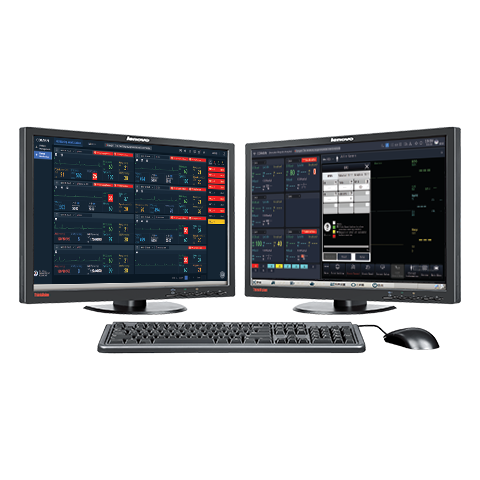
We need to move from counting widgets to measuring impact. I’ll be blunt: buying bells without measuring alarm burden wastes money and staffing. When I deploy equipment with a hospital, I insist on a 30-day pilot that logs false alarms and clinician interventions—because numbers guide change. Evaluate a supplier by their willingness to iterate—firmware updates, clinician feedback loops, and real-world validation. And remember to ask for local support during the first month; that one service visit often avoids a cascade of bad practices. In the end, choose devices based on those three metrics I named—sensitivity, false-alarm rate, and response latency—and you’ll get systems that help clinicians do their job. For practical options and further support, I often recommend checking solutions from COMEN.
