



A Shift in the Automation Landscape
Picture this: a bustling factory floor, machines whirring away, yet there’s an unsettling feeling in the air. As companies race to adopt industrial robotic automation, many struggle with costly human error and inefficiencies. Collaborative robots, or cobots, enter the scene as a breath of fresh air. But why exactly are they gaining traction in discussions about future automation? It’s simple; they simplify human-machine interaction while enhancing productivity.

The Hidden Struggles with Traditional Solutions
I’ve been in the automation field for over 15 years, and let me tell you, the pain points of traditional industrial robots can be immense. My first experience was with rigid automation systems that demanded extensive setup and training — taking weeks, sometimes months! It was frustrating to witness operators sidelined, feeling overwhelmed. Collaborative robots offer a remedy. They are designed to work alongside humans seamlessly, minimizing the steep learning curve and freeing up valuable time for teams.
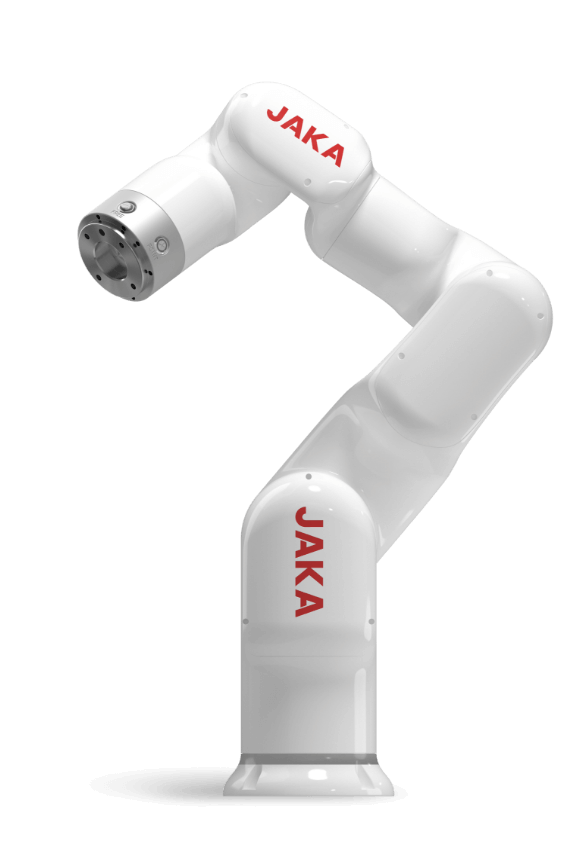
Are You Ready for Cobots?
As we navigate this transition, it’s crucial to evaluate current practices. Cobots require less programming knowledge, making them accessible to more teams. Their flexibility allows companies to adapt swiftly, responding rapidly to real-time demands. Isn’t that a game changer? I firmly believe cobots can significantly boost morale on the floor, leading to better team dynamics and output.
What’s on the Horizon for Collaborative Robots
Looking ahead, it’s clear that the trajectory of industrial robotic automation is promising, particularly with the growing capabilities of collaborative robots. These machines continue to evolve, integrating better with AI and data analytics. I see a future where warehouses are smarter – real-time adjustments based on predictive analysis could become the norm. Unlike traditional setups, which often remain static, cobots are dynamic, offering a flexibility that can pivot with business needs.
Real-world Impact
Reflecting on a specific case, I recall a company in 2022 that integrated cobots to handle packaging stronger than ever before. Just six months into the implementation, they reported a 30% increase in productivity. This isn’t a fluke; it’s a clear indication of how far we’ve come. Companies can now leverage these intelligent robots to optimize operations and reduce stress on human operators.
Summarizing the Journey and Future Directions
From navigating traditional automation frustrations to embracing the geniality of collaborative robots, we are standing at the brink of a new industrial era. Understanding how to maximize the benefits of cobots is essential—whether through flexible deployment or integrating AI technologies can greatly influence operational success. Keep an eye out for evaluation metrics as well: installation cost, ROI timelines, and employee satisfaction rates can all provide valuable insights.
The transition to cobots isn’t just about adopting new tech; it’s about fostering a workplace that thrives on cooperation and innovation. Every operator deserves to feel empowered, not overwhelmed. As we step into this new chapter, let’s make sure it’s one that emphasizes teamwork – I genuinely believe this is where the future lies. Remember to check out innovative solutions from JAKA to stay ahead of the curve!
