


Why These Signals Matter Right Now
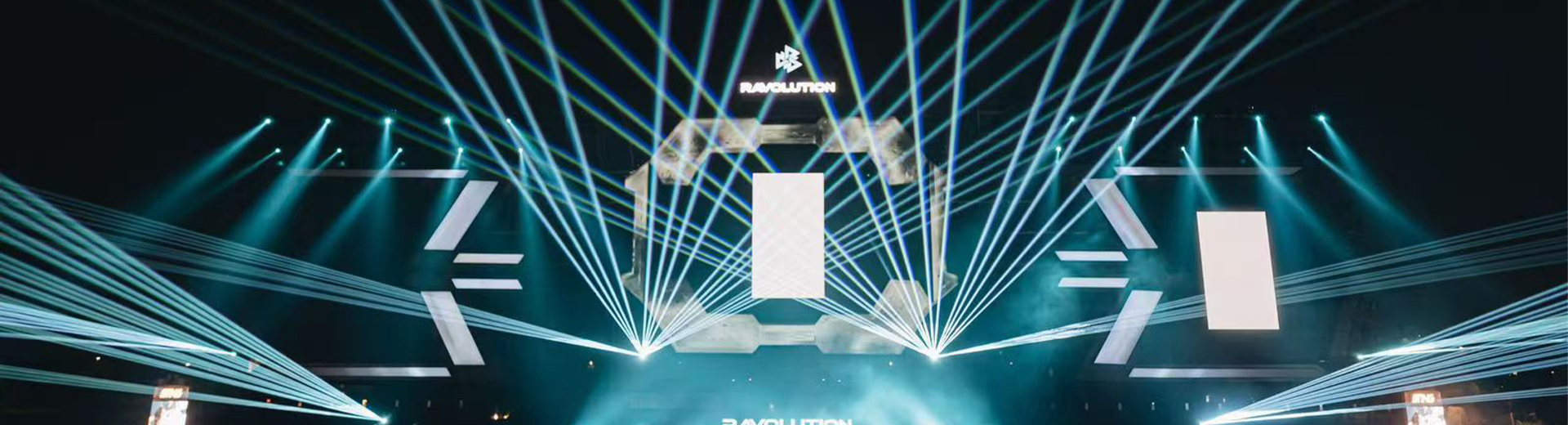
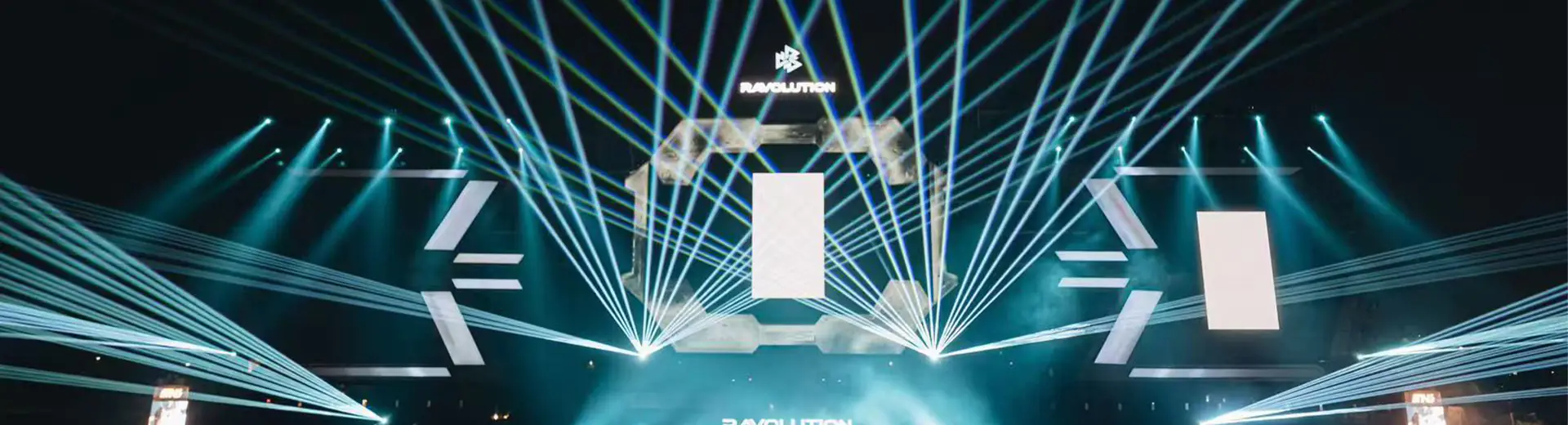
You’re five minutes from doors, and the first bass drop is coming fast. Laser lights will carry the moment across faces and ceilings, if they hit on time and stay sharp. Last season’s tour data shows misfires and drift hit one in three shows, often from sloppy sync or tired scanners—small numbers that create big gaps on stage. So, what do you tweak first to keep timing tight, beams clean, and safety locked, even when the room runs hot and the set runs long (no excuses)? You train your checklist like a coach trains a body: simple cues, daily reps, real feedback. Here’s the punchline—control paths, power rails, and cooling do more for your look than the logo on the housing. Ready to spot what actually matters and cut the rest? Let’s move with intent.
We’ll use a comparative lens, but keep it human. You’ll see where rigs fail, and how to fix it before the crowd even knows. Strong form beats big bloat—funny how that works, right? Now, let’s build the signals you can trust under pressure, and turn chaos into clean cues. On we go to the core issues.
The Deeper Issue: Why Rigs Drift When You Need Them Most
Where do traditional rigs stumble?
Most teams scale by stacking more heads, not better systems. That hides flaws. With laser show equipment, the weak links are usually control latency, thermal drift, and cheap power paths. DMX512 alone can bottleneck cues, while mixed protocols add jitter. Galvanometer scanners lose accuracy as heat rises, and beam divergence widens past 1.5 mrad in long runs. Then the cycle repeats—funny how that works, right? You also see power converters ripple under load, which nudges color balance and line stability. Safety interlocks and shutters should be fast, but slow relays add milliseconds you can’t spare when blackout cues must be instant.
Look, it’s simpler than you think. Prioritize clean signal flow, fast feedback, and stable optics. Closed-loop scanners with optical encoders hold geometry better across a set. IP-rated housings tame dust and humidity, so mirrors don’t gunk up mid-show. Add temperature monitoring at the diode block, not just at the case, or you’ll miss the real heat problem. Tie cues to frame-accurate timecode instead of loose taps, and you’ll cut the wobble. The goal: tight step response from controller to shutter, predictable beam shape, and verified failsafes. When those three align, even loud rooms and long nights won’t shake your rig.
Comparative Shift: New Principles That Keep Your Beams Honest
What’s Next
Old-school workflows push commands through a single spine and hope the edge holds. The new play flips that. Put timing and health checks near the fixtures using edge computing nodes, then sync over PTP timecode. That shrinks control latency and makes cues repeatable—even on complex chases. FPGA-based scanner drivers tighten response, while optical encoders correct drift in real time. Pair that with active cooling tied to diode temperature, not ambient air, and your geometry stays steady. When content streams via Art-Net or sACN with local buffer, you can survive a brief network hiccup without a visible glitch. It’s a small shift, big payoff.
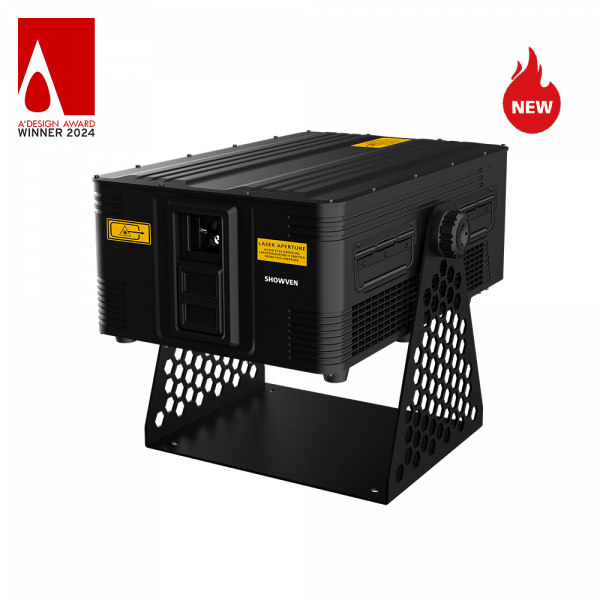
For tours and installs comparing options in lasers lighting, look at end-to-end design, not just output spec. An IP65 housing keeps optics clean outdoors; power factor–corrected supplies reduce ripple; and fast interlock logic keeps safety immediate. You’ll also want predictable beam divergence and verified ILDA performance at working angles, not only at test points. The result is a rig that feels calm under stress—stable scan fields, crisp aerials, and clean text, cue after cue. Different rooms, same behavior. That’s the future-facing edge: less hero work at the console, more trust in the system.
Metrics That Matter When You Decide
Let’s bring it home with clear checks you can use on any spec sheet or demo floor—no fluff, just signals that hold. First, measure total control-to-output latency under load: aim for under 5 ms from timecode to safety shutter action, including network and driver stages. Second, verify optical integrity: full-angle beam divergence at or below 1.0 mrad with stable geometry at your working scan angle (ILDA 30K/40K claims must match real footage, not lab-only lines). Third, demand thermal stability: less than 0.2 mrad drift after 60 minutes at show temps, with logged diode and scanner temps and a clean failback path. If a system nails those, your cues land, your lines stay crisp, and your safety remains fast—night after night. Keep training your checklist, and the show will follow. For deeper specs and engineering notes, see Showven Laser.
