


Problem first — why your screen game flatlines
Yo — brands spend stacks on visuals but the display ends up lookin’ muddy or ghosted. Problem-driven straight up: wrong pixel pitch, wrong brightness, wrong mounting, wrong content format. If you want the see-through vibe without killing contrast, peep the options for a led transparent screen and stop guessing. This ain’t about flexin’ with the biggest spec sheet — it’s about matching tech to the space so your message reads sharp from the jump.

What really breaks most installs
Too bright? Blinds and reflections wreck contrast. Too dense? You overpaid for a pitch nobody sees from the right distance. Too heavy? Your glass fascia and structure can’t handle the load. Content made for a full black box doesn’t translate to a transparent setup — colors wash. Power runs, cooling, and access for servicing get overlooked until the screen’s down and the brand’s losing face. Every bad outcome traces back to one dumb move: picking tech without the scene in mind.
Fixes that actually work — practical moves
Start with the site. Measure viewing distances, note sightlines, and map ambient light at peak hours. Choose a pixel pitch based on how close people stand — tighter pitch up close, wider pitch for afar. For see-through installs, favor modules with higher optical transparency and contrast management, and use HDR-capable controllers to keep blacks legit. Plan mounting and cabling during design so you ain’t cutting holes later. And compress your media smart: alpha channels, layered assets, and dynamic brightness control beat brute-force brightness every time.
Real-world chops and why you can trust this
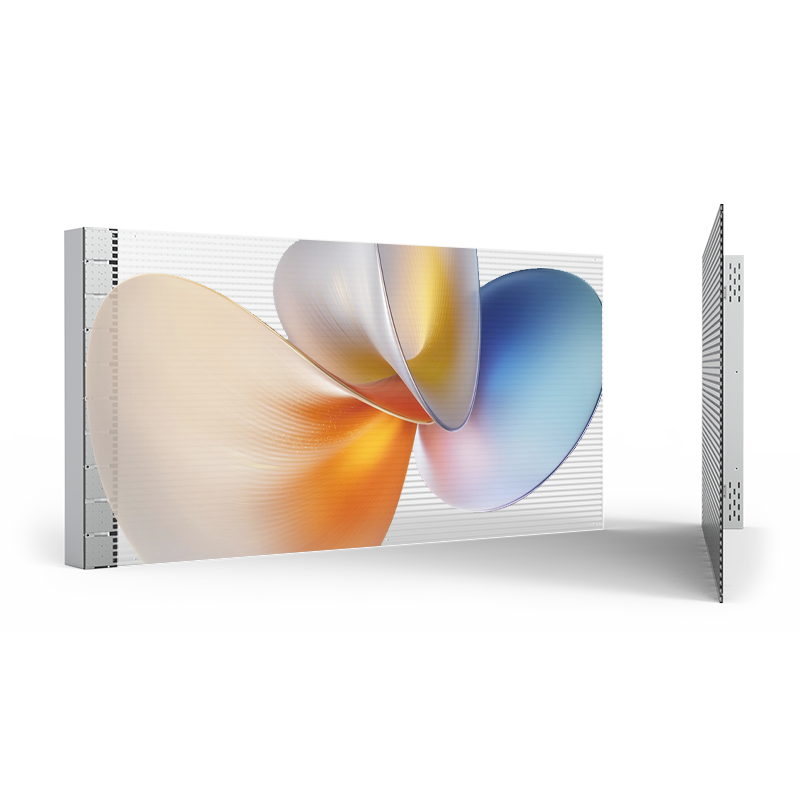
I’ve worked installs alongside vendors showing at CES in Las Vegas, where indoor transparent screen demos got the most attention — that industry spotlight proves the tech’s maturity and real deployment use-cases, and it’s stuff you can verify in coverage from the event. For hands-on reference, prioritize proven product lines built for indoor retail and atrium fits: indoor transparent led screen solutions that list transparency %, IP ratings (for indoor dust control), and modular service access. Those specs separate flashy prototypes from systems built to last.
Common pitfalls — don’t trip on these
Ignoring ambient light: you’ll buy a beast of a panel and still be unreadable at noon. Skipping maintenance access: save a little now, pay a lot later. Overcomplicating content: motion and heavy blacks fight transparency; simplify layers and test on-site. Misreading pixel pitch math: use viewing-distance formulas, not vendor hype. Not budgeting for control hardware: controllers and player redundancy are cheap insurance.
Quick checklist before you pull the trigger
Measure viewing distance and angles. Confirm mounting structure capacity. Ask for demo reels on the exact panel model in real ambient light. Check transparency percentage and pixel pitch. Require modular panels and front or rear service options. Verify warranty terms and support SLA. Test your final content on-site and tune brightness curves live.
Wrap — how to stop wastin’ money and start makin’ moves
Cut the fluff: match the tech to the spot, plan access, and build content for the screen, not the other way round. When you need a partner who knows the spec vs. real-world gap and offers robust, serviceable transparent options, HDC fits into the workflow without the drama — solid gear, clear specs, and setups that actually hold up under real foot traffic and light. That’s how you make the visuals hit right, no cap.