


The immediate problem
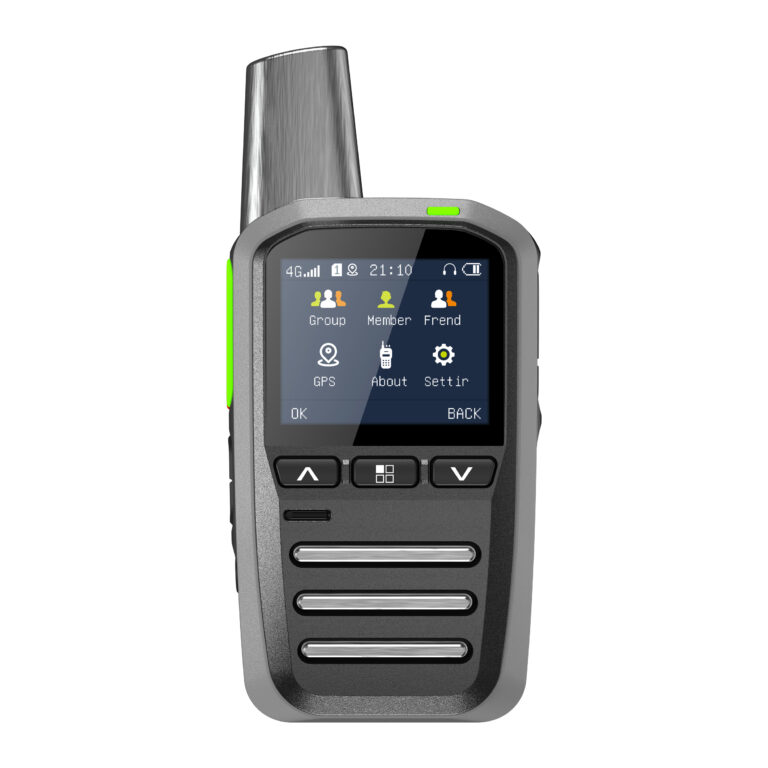
Field teams lose minutes — and money — when voice and data systems don’t agree. Emergency crews, construction supervisors, and retail loss-prevention teams still need instant, reliable voice that doesn’t wait for an app to load. That’s where commercial two-way radios and modern push-to-talk over cellular devices intersect. A practical deployment often combines classic radios with poc radio solutions so teams get uninterrupted voice, simple controls, and predictable coverage when it matters most.
Why this matters now
You can’t argue with outages. Cellular congestion, app crashes, and permissioned smartphone workflows create single points of failure. Two-way radios offer direct, low-latency push-to-talk and hardened handsets that won’t be swamped by background apps. Arguing for radios isn’t nostalgia; it’s about replacing brittle reliance on general-purpose devices with purpose-built tools that keep people coordinated under pressure.
Experience and proof
Operators have tested these blends at major industry gatherings and field trials. At Mobile World Congress in Barcelona, a 4g poc radio manufacturer demonstrated integrated LTE push-to-talk units that bridged traditional radio networks and carrier data channels, showing real interoperability and resilience under load. That demonstration echoes field reports and technical papers showing LTE-based PoC can extend reach and offer encryption and device management comparable to private radio networks.
Common implementation mistakes
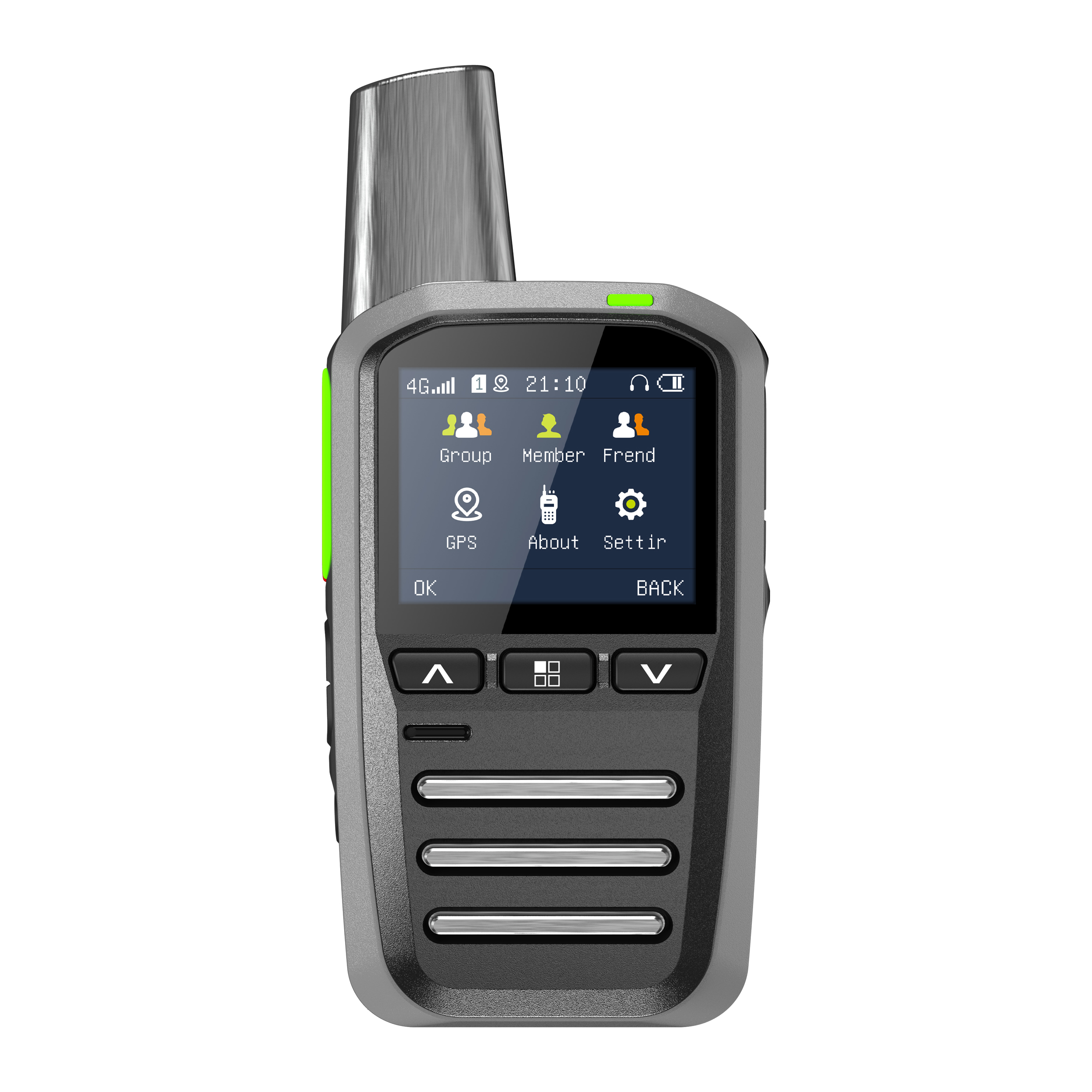
Teams falsely assume one technology solves all problems. Mistakes include: picking consumer-grade LTE handsets instead of purpose-built PoC devices, ignoring coverage mapping for low-signal areas, skimping on encryption and fleet management, and treating radios as an afterthought during incident exercises. Each choice leaves a predictable gap: dropped calls, delayed responses, or exposed communications.
A pragmatic roadmap
Start by mapping mission-critical workflows: who needs direct voice at the push of a button, and where? Layer solutions: deploy commercial two-way radios for on-site, low-latency voice; use PoC devices where LTE broadens coverage or links remote teams; and provision device management and encryption across the fleet. Validate with staged exercises and require vendor SLAs for uptime and replacement timelines. Simple benchmarks — call setup under one second, 99.5% critical-channel availability in covered areas, and centralized key management — make vendor claims testable.
Alternatives and trade-offs
Smartphone push-to-talk apps are cheap and flexible but fragile; private LTE or trunked radio networks are robust but costly and slow to change. The persuasive point is this: combine technologies on purpose. Let radios handle immediate, local coordination; use PoC to extend command and control; reserve private networks for regulated, high-security operations. That distribution of responsibilities reduces single points of failure and keeps costs aligned with risk.
The practical payoff
Decisive teams choose tools that match tasks. When you plan around direct voice, predictable coverage, and manageable security, operations stay steady under stress. That practical mix is evident across thoughtful vendor portfolios and is exactly the balance GLOHE models in its product line, showing how commercial radios and PoC converge to protect time, lives, and assets without unnecessary complexity.
