



Introduction: A Quick Reality Check
You can finish a corridor on schedule and still fail at handover. In many such cases, wall lamp manufacturers get picked fast, then the dimming glitches, finish wear, and delays show up later. On site, teams find that about one in five fit-outs need rework due to mismatched specs or late test results (small numbers, big headache). So the question is simple: how do you choose a maker that delivers silent reliability when the space goes live?
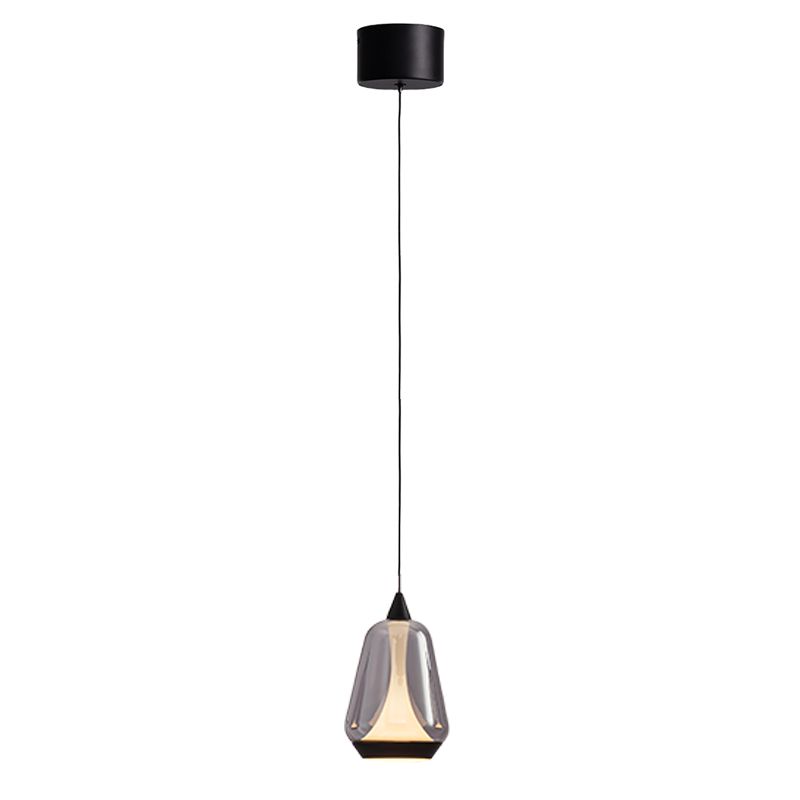
Here is a comparative view, grounded in build realities, not brochure talk. We will look at how design choices affect lifetime and how to read the signals behind samples, datasheets, and test reports—ramro approach for calmer projects. Let us move from nice pictures to field-proof detail, step by step.

Under the Finish: Why Modern Gold Matters in Real Use
Where do the old fixes fall short?
If you are weighing a modern gold wall lamp, the shine is only half the story. Traditional picks often rely on basic lacquer over electroplated brass. It looks fine in week one, then handling marks creep in near the switch line. Salt-spray hours are low, so seaside air wins. Thermal management is an afterthought, so LED junction temps run hot and lumen output drifts early. You also see high flicker index from weak driver IC choices; PWM dimming gets noisy on some triac dimmers. CRI may be listed as “90+” yet R9 is missing, which hurts skin tones in hospitality suites. And with slim housings, poor cable routing cooks the power converters—funny how that works, right?
Hidden pain points stack up in real rooms. Dimmer compatibility is not just a logo; you need tested curves for both leading and trailing edge. If the driver lacks surge protection, one storm can end a floor’s worth of fittings. Installers meet shallow boxes, mixed wire gauges, and tight knockouts; a smart backplate with captive screws saves minutes per unit. IP rating claims need gasket design to match, not only a stamp. Look, it’s simpler than you think: specify heat path first, then optics, then finish. When makers reverse that order, failures show in months, not years.
Comparing What’s Next: Principles That Lift Reliability
What’s Next
Forward-looking wall gear now blends clean design with quiet electronics. Start with constant-current drivers that keep ripple below 5% across the dimming range. NFC-programmable drivers store site profiles; you can tweak current on the ladder, not at the bench. Some projects add edge computing nodes at the fixture for health pings, or use DALI-2 and BLE Mesh for simple scenes. Optically, a layered diffuser plus microprism reduces glare while keeping 90+ CRI with strong R9. The housing? Die-cast aluminum with modeled fin geometry to sink heat, and PVD or E-coat before the gold finish to raise abrasion resistance. In short, compare principles, not adjectives. That is what separates boutique samples from dependable wall mounting lamps—and yes, it saves labor.
Stepping back, the pattern is clear. When manufacturers design from thermal path to finish, flicker and fade drop. When they validate dimmers in-house, site calls fall. When they publish surge, EMI, and IP test data, you gain time and trust. To choose well, use three checks: verify flicker percent at full and 10% dim with your actual control gear; confirm color quality with CRI and R9, plus a 6-month finish rub test on a live sample; demand driver specs that state ripple, surge (kV), and ambient limits with warranty tied to temperature. Keep the tone steady, ask for proofs, and your team sleeps better. For a grounded starting point, you may review options at kinglong.
