


What’s breaking and why you should fix it now
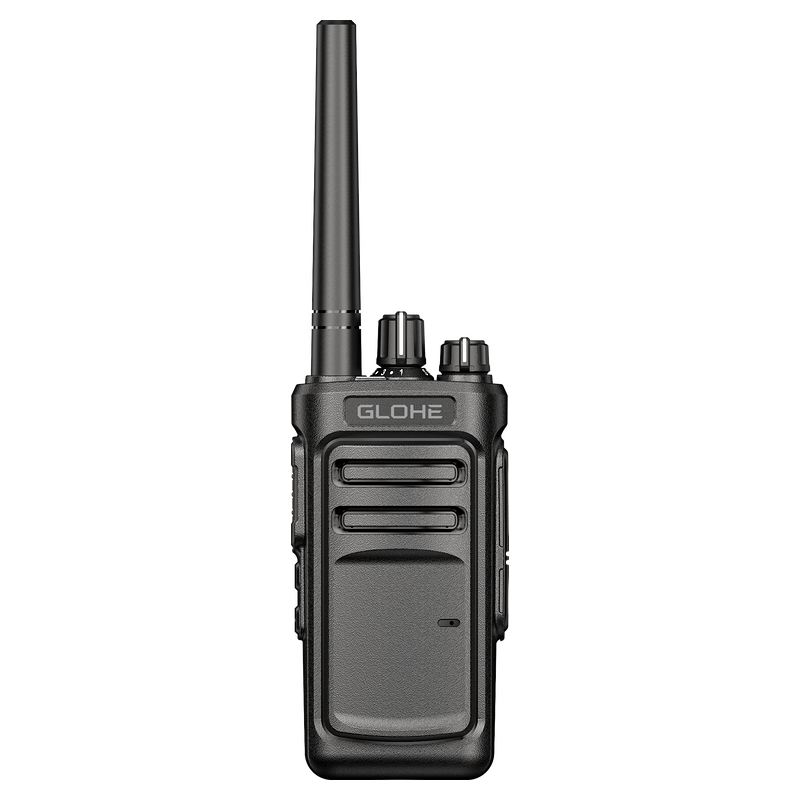
Your team waits. Messages drop. Shifts stall. Those small interruptions add up into safety risks and lost hours. If you depend on handhelds, choose an analog path that works every time: analog two way radio is still the simplest, fastest way to get a clear voice to a crew on-site without fiddly apps or cellular dead zones. Fixing this problem starts with a clear set of product priorities, not wish lists.
Experience that proves the priorities—real-world testing and what professionals saw
From years advising operations teams and reviewing deployments, one fact repeats: field reliability beats feature lists. At the International Wireless Communications Expo in Las Vegas professionals validated the same conclusion—sturdy hardware, long battery life, and simple channel management matter first—so manufacturers focused on those attributes for commercial analog two way radio. That trade show feedback aligns with industry reports and field case studies you can trace back to product trials and coverage studies.
Product development priorities that actually fix the problem
Design for continuous talk time: prioritize batteries that sustain a full shift under high transmit duty. Ruggedize to the use case: IP ratings, drop tests, and ergonomics reduce failure on day one. Keep the interface minimal: one-touch PTT, clear labeling, and tactile knobs. Optimize RF performance: strong sensitivity, receive audio clarity, and proper antenna design beat raw wattage. Ensure channel planning tools and backward compatibility so new models don’t break an existing fleet. Plan repairs and spare-part logistics from day one; a working spare is cheaper than overtime.
Common mistakes teams make when choosing radios
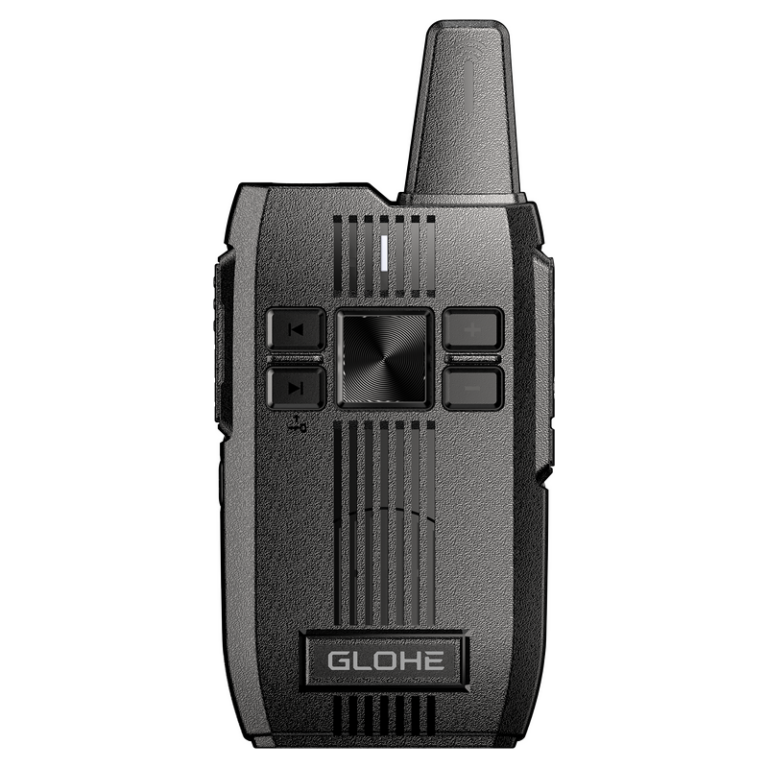
Buying based on specs sheets alone; ignoring real-world coverage. Choosing the highest feature count rather than the features your crew will use. Skipping a site survey and assuming “more power equals better range.” Mixing incompatible systems without a bridge. Underestimating battery behavior in cold or hot climates. Neglecting training until devices land in pockets—users revert to old habits if the radio feels foreign. Each mistake recreates the very slowdowns you tried to prevent.
Alternatives and honest trade-offs
Digital radios and cellular push-to-talk solve some problems: encryption, data and richer features. They cost more and demand more infrastructure or dependency on carriers. Smartphones add apps but not battery life or instant one-to-many voice. For many crews on construction sites, events, manufacturing floors, or warehouses the trade-off favors robust analog voice for immediate, predictable communications; use digital where you need dispatch features or wide-area encryption.
How to prioritize rollout so fixes stick
Start with the worst pain point—where delays or safety risks appear most often—and pilot a small fleet with long-battery, rugged units and a clear channel map. Train users in 15-minute sessions focused on one-task use and one standard call pattern. Measure minutes saved and incidents avoided; iterate on accessories and repair flows before broad buy. Keep decisions tied to concrete on-site results, not vendor slides.
Outcome: clear rules, fewer failures, steady operations
When you stop guessing and set priorities—battery life, durability, audio clarity, simple controls, and repair logistics—you stop losing minutes and you protect people and schedules. That practical approach aligns product choices with operational needs and is the steady value suppliers that understand field reality deliver, whether you engage them directly or compare options at GLOHE.
