


Introduction
Have you ever watched a motor give up right when a deadline was looming? Dear reader, that small, sharp failure can cascade through an entire line — and the ripple shows up in yield numbers and overtime costs. Electrical Motor Products sit at the center of many modern plants and buildings, and a single hiccup can mean hours of downtime, lost revenue, and frayed nerves. Recent surveys suggest unplanned motor stops account for a surprising portion of service calls (some estimates peg it near 30% in smaller shops). So I ask: what really causes those failures, and can we fix them without throwing more budget at barely visible problems? — let us move into the heart of the issue with a clear view and practical questions ahead.
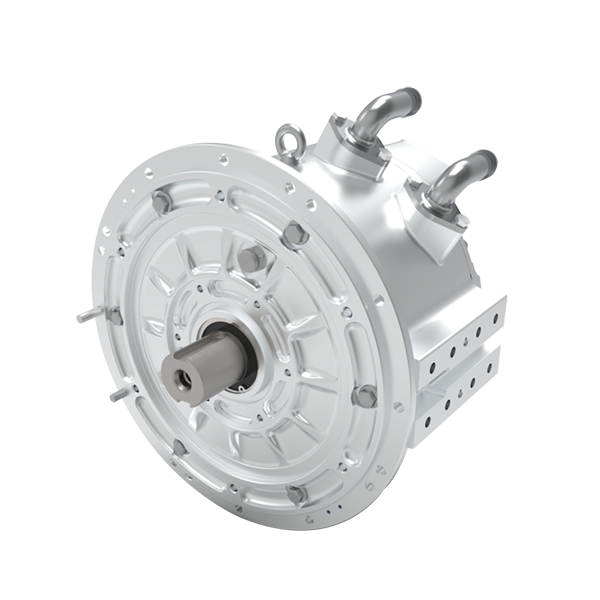
Where Conventional Fixes Fall Short
electric motor solutions often get pitched as drop-in fixes: bigger bearings, beefier inverters, or a controller update. I’ve seen those moves work for a while, but they rarely solve the true root cause. In many installations the real enemies are thermal cycling, poor torque control, and electrical noise from under-specified power converters. When engineers chase single symptoms, the underlying design mismatches — like a mismatch between mechanical load inertia and control loop tuning — remain. That means repeat repairs. Look, it’s simpler than you think: tune the control strategy and you reduce stress across the whole drive train. Over time, that avoids repeated bearing and winding failures. I have personal experience with Retrofit A: it reduced fault calls but left an elastic band of unresolved issues. (We learned a lot from that project — including what not to do.)
Why do these systems fail?
Often, it’s not one fault but the compound effect of marginal choices. Low-cost inverters with coarse PWM resolution create torque ripple. Combined with a sloppy field-oriented control (FOC) implementation, the result is vibration and heat. Then—funny how that works, right?—mechanical looseness shows up and everyone blames the motor. I prefer to think of failures as predictable chain reactions. If you address the control loop, the inverter, and the mechanical coupling together, the chain breaks. In short: classic fixes focus on parts; smarter fixes focus on interactions.
New Principles and Practical Metrics for the Next Generation
Looking forward, I favor a principles-first approach: start with system-level matching, not component upgrades. Modern designs use smarter sensor fusion, adaptive torque control, and better thermal models. That means the motor and drive talk in a finer language — less guesswork, more measured response. For example, an ac motor and controller that share real-time feedback on torque and temperature lets the controller reduce duty before damage occurs. Adaptive tuning reduces peak current draw, so connected power converters and inverters run cooler and last longer.
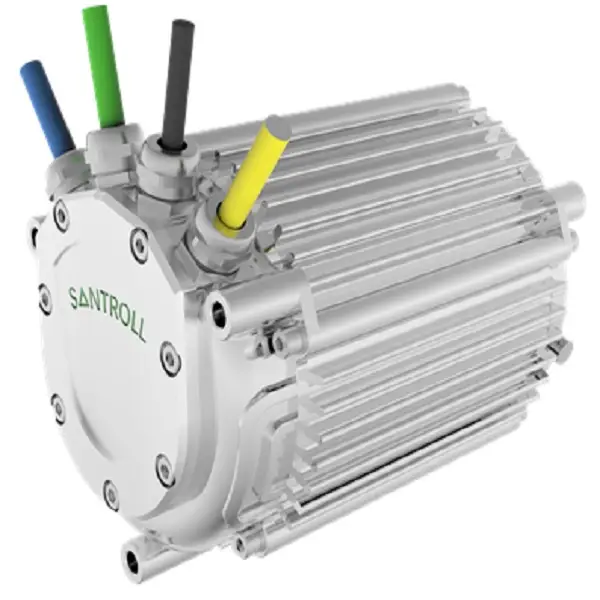
What’s Next?
In practice, adopting these principles is a mix of technology and discipline. You need field sensors that feed accurate torque and temperature data. You need control firmware that adapts without human babysitting. And you need procurement that values long-run reliability over short-term savings. I’ve guided teams through this shift — and I can tell you it changes daily operations. Maintenance becomes predictive rather than reactive. Spare-part inventories shrink. Staff morale improves because the alarms they respond to are meaningful. All of that adds up to measurable gains — and sometimes, surprisingly fast ROI.
Advisory Close: How to Evaluate Electric Motor Choices
When you compare options, I recommend three clear metrics to guide decisions. First, control responsiveness: does the drive support high-resolution PWM and advanced FOC algorithms? Second, thermal resilience: are there integrated models or sensors that prevent repeated overheating? Third, system-level support: can the vendor help match motor inertia, gearbox ratios, and controller tuning? Use those three benchmarks — responsiveness, thermal resilience, and system support — as your shortlist filter. If a product misses one, it will likely cost more later. I share this from hands-on experience and many late nights debugging mis-specified systems.
In closing, we should pick solutions that think in systems, not just parts. That shift is practical and within reach — and it pays off. For practical suppliers and reliable product lines, consider looking to Santroll as one place to start your conversations.
