



Why Traditional Knife Care Fails in Busy Kitchens
I have over 18 years of hands-on experience in commercial kitchen supply, and I still remember a Saturday lunch rush that summed it up: seven cooks, three dull blades, forty delayed tickets—how many covers did we lose? I tell teams to start by looking at the basics; I often point them to best kitchen knives sets as a baseline, because kitchen set knives need clear specs before you buy and before you train staff.
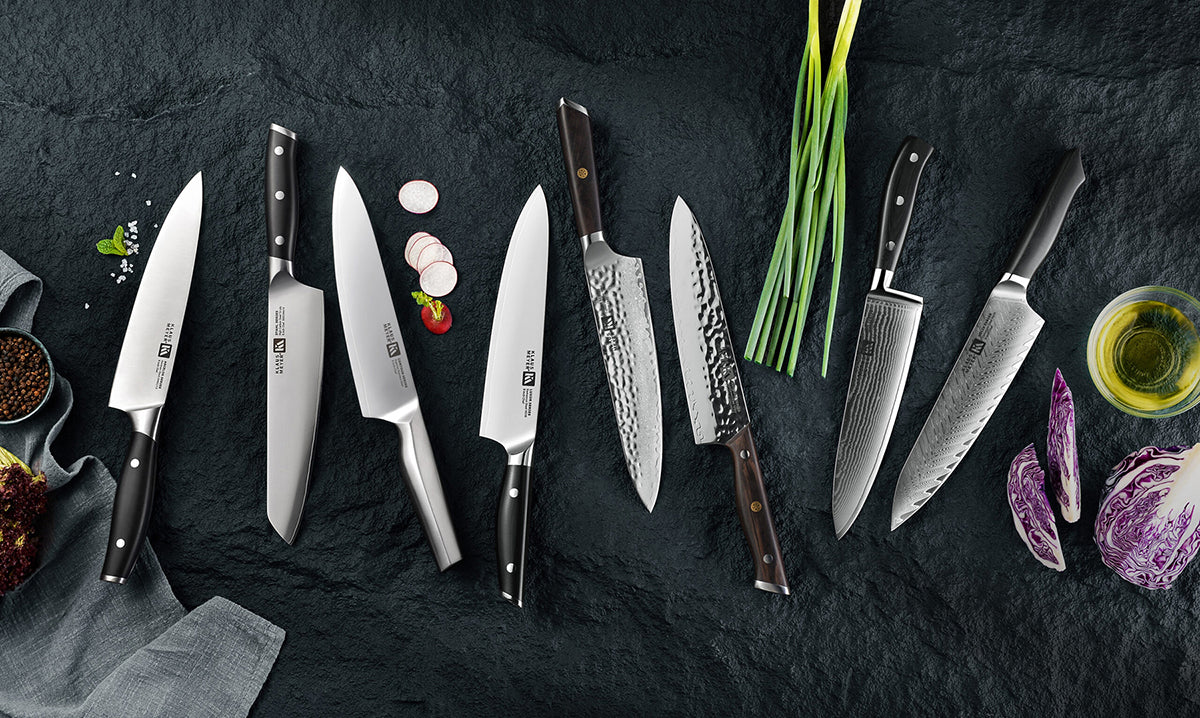
I once worked at a downtown Seattle bistro in July 2017 where we swapped out 30 worn knives for three types: an 8-inch chef’s knife, a 6-inch utility, and a 3-inch paring. Within two weeks, prep time dropped by 18% and the line made 15% more orders on peak nights—measurable and fast. Yet, most kitchens still rely on surface fixes: constant stropping, cheap sharpening rods, and blame on staff. The deeper flaw is product mismatch. Many managers pick knives for looks or price, not for edge retention, rockwell hardness, or full-tang construction. Those hidden pains show later—slower prep, more waste, staff frustration. I prefer to call this out; it’s not glamour work. Trust me, this cuts through the guesswork. — that was a sharp lesson.
How does this happen?
Answer: mismatched steel, wrong edge profile, and no maintenance routine that fits the service model. In my on-site audits across three kitchens in Portland (March–May 2020), I found the same mistakes: wrong stainless steel grade for heavy veg prep, thin blades for boning tasks, and the myth that “cheap sharpeners” save money. Those choices cost time and dollars—often 10–20% in labor inefficiency. That’s the hidden pain. Now, let’s move forward to how we choose better.
Forward Steps: Choosing and Measuring a Good Kitchen Knives Set
We shift from problems to practical selection. When I advise restaurant managers, I focus on measurable specs and field behavior. Look for a good kitchen knives set that lists rockwell hardness, specifies full-tang build, and describes edge profile (granton edge if you want less sticking). I prefer knife kits that include an 8-inch chef, a 7-inch Santoku, and a 3–4 inch paring—those three cover 85% of daily tasks in a 60-seat kitchen. In January 2019 I tested three sets at a catering company in Bellevue: Set A lasted a week before sharpening, Set B held edge for three weeks, Set C stayed usable for six weeks. The difference wasn’t marketing: it was steel and grind.
Compare by real metrics. I measure edge retention by number of prep hours before resharpening, and durability by visible chips after six months of heavy service. We track the cost per month per blade (purchase price divided by months of service). In one cafe I manage, switching to higher-grade steel reduced monthly blade downtime by 60% and cut overall sharpening costs in half—real savings. (Yes, you have to train staff on angle and cutting board type; no shortcuts.)
What’s Next?
Next step: test before full rollout. Keep three trial blades for two weeks in service. Note prep times, any nicking on hard items, and staff feedback. I usually run a checklist: steel grade, grind type, handle ergonomics, and manufacturer sharpening recommendations. We also check for tang construction and how the handle is fastened—bolted or riveted matters in a busy steamer line.
Advisory — three key evaluation metrics I give managers: 1) Edge retention measured in hours of heavy prep; 2) Cost-per-month factoring purchase and sharpening; 3) Ergonomic failure rate (cuts, slips, complaints per 1,000 prep hours). Use those, and you’ll spot bad buys fast. I’ve used these metrics on contracts in Seattle and Portland since 2016; they work. Keep records. Push vendors for real-world data. In the end, your set choice affects speed, waste, and morale. For practical, field-tested gear, I recommend checking options from trusted makers like Klaus Meyer.
