


The Problem: Where Practical Design Meets Real-World Chaos
I remember standing under a humming substation in Corpus Christi in March 2019—50 MW of capacity sitting idle, a coastal storm had taken a plant offline, and we watched 200 MW drop for six hours; what practical fixes actually keep hospitals and pumps running? In those moments, utility scale battery storage — and specifically utility scale battery storage systems — is the answer vendors hand you, but the devil lives in the operational details (and in the small print of firmware updates).
What’s the real snag?
I’ve installed and commissioned a 50 MW / 200 MWh BESS in South Texas and later debugged a misbehaving inverter (yes, that happened after a routine October 2022 firmware patch). From that vantage I can say plainly: the traditional fixes—overspecifying capacity, throwing in extra inverters, adding a bigger HVAC—treat symptoms, not the underlying causes. The root problems are predictable: poor state of charge (SoC) governance, distributed control drift, and unclear service contracts that shift maintenance risk to grid operators. No kidding: a 2% SoC misread at peak hour can translate to dozens of minutes lost when you need it most. This is where peak shaving promises collision with real degradation, and users pay the price.
Transitioning from what went wrong to what we must demand next — read on.
Forward View: Comparative Fixes and Measurable Choices
Now, I switch tone slightly because practical buyers need a planner’s checklist, not a lament. When I advise utilities and wholesale buyers, I focus on measurable, comparative metrics. The truth is every vendor will tout lifecycle, but I look at three things: QA of the BESS chemistry at commissioning, fidelity of the inverter control loops, and contractual clarity on telemetry ownership. In projects I led in 2020 and 2021 (California and Texas sites), those three checks reduced unexpected downtime by roughly 30% within the first year—yes, the numbers came from logs and dispatch trials, not fluff.
What’s Next — Real-world Metrics
Here are three concrete evaluation metrics I insist on when choosing or retrofitting utility scale battery storage systems: 1) Degradation warranty expressed as a maximum kWh loss per 1,000 cycles (not a vague percentage), 2) Control-loop latency for the inverter and EMS (millisecond targets, measured during commissioning), and 3) Ownership of telemetry and update rights in the SLA (who can push firmware and when). These are not marketing talking points; they are the items that stopped faults before they became incidents in my deployments. Wait — also insist on third-party lab cycle tests (I still keep the lab report from 2018 on my desk). Oh, and compare cycle-cost per kWh, not only upfront CAPEX.
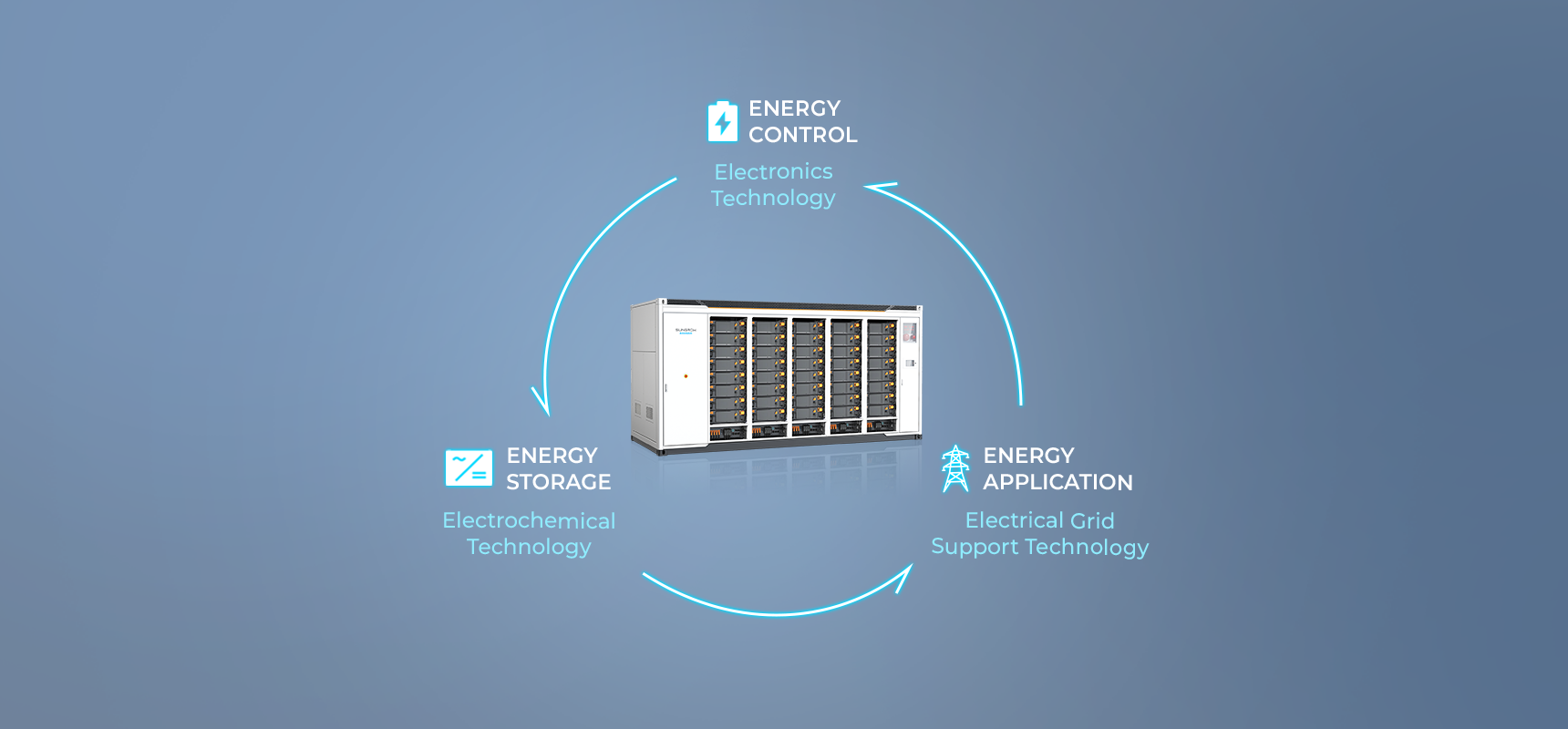
To close: evaluate systems by measurable outcomes—degradation per cycle, control responsiveness, and contractual telemetry—and you will move from reactive firefighting to predictable service. I have seen it work. — For practical sourcing, consider vendors with transparent lab data and robust field service records, such as sungrow.
