


The Problem: Why Conventional Designs Keep Failing
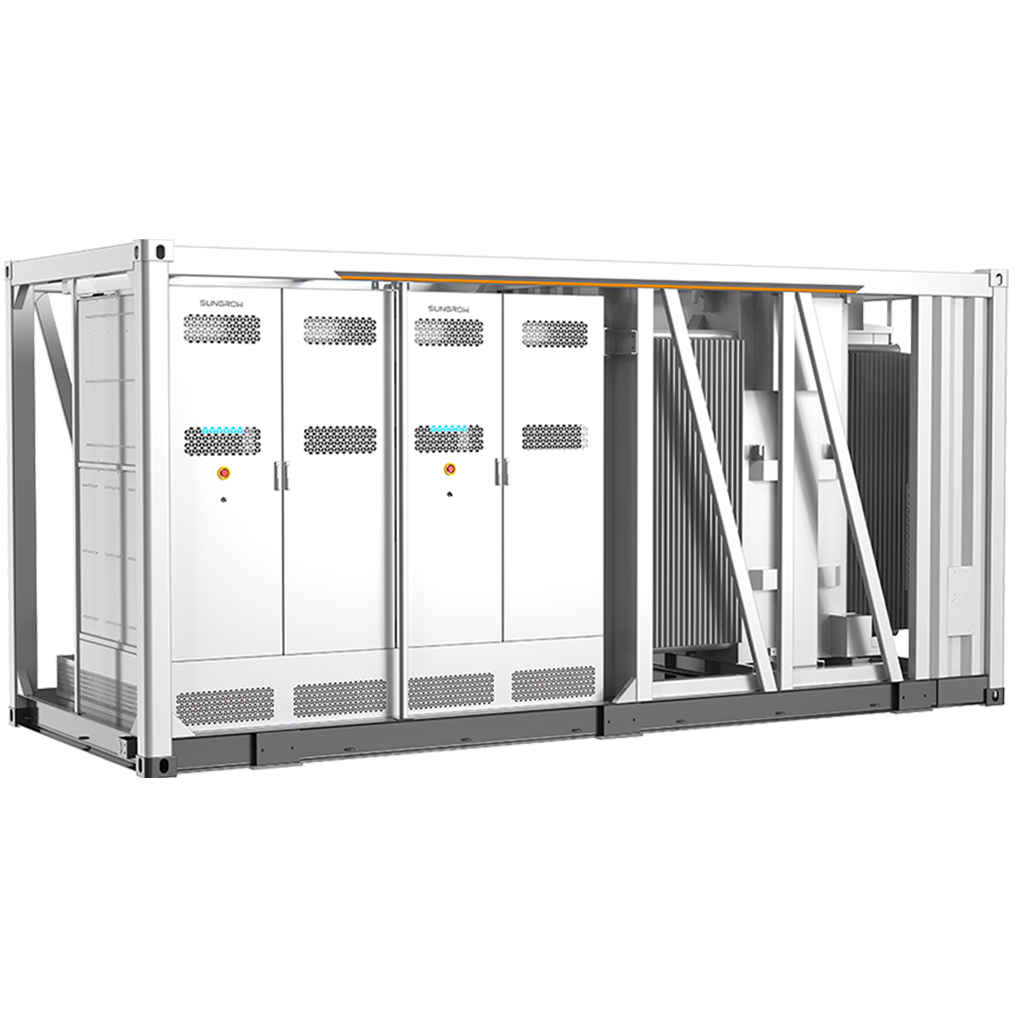
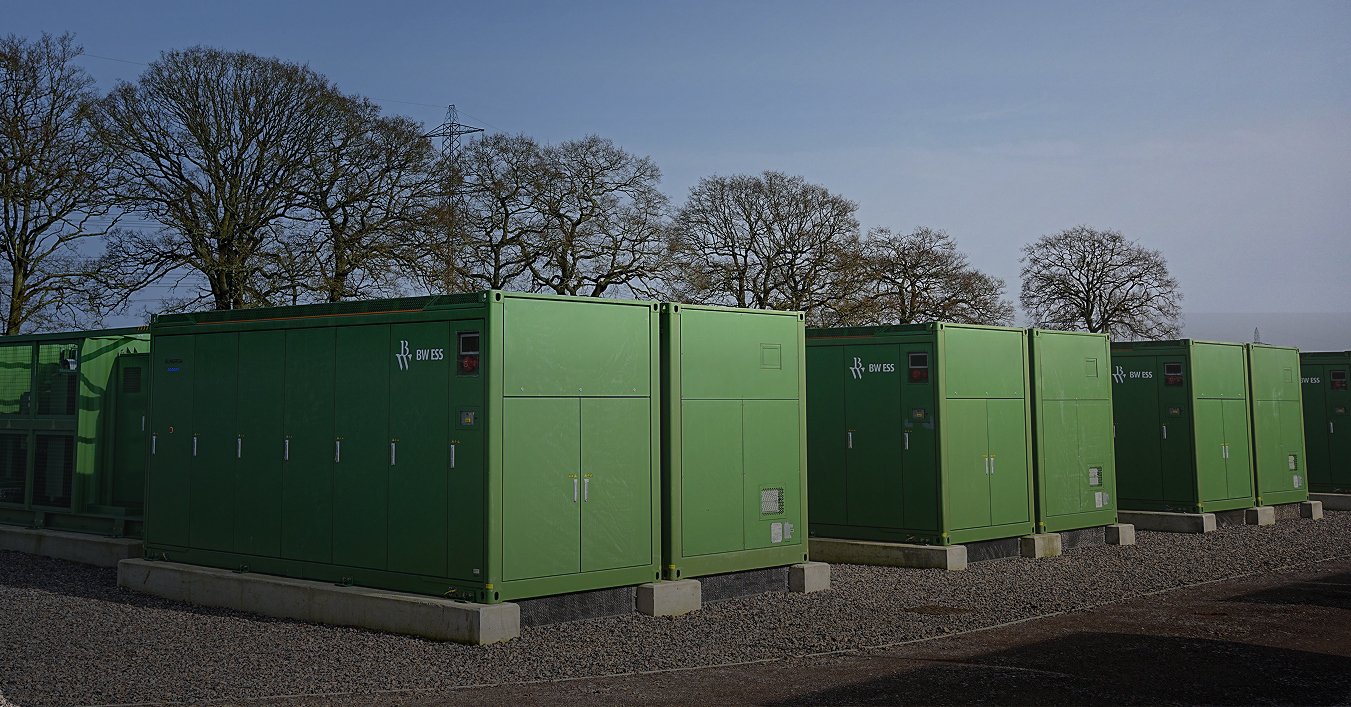
I remember standing on a dusty Queensland site in April 2023, watching a newly commissioned 50 MW / 200 MWh Li‑ion LFP container array idling while nearby solar was curtailed — the operator told me curtailment rose 18% that month; so what do we do when storage meant to solve the problem actually deepens it? As I audited a battery storage utility scale installation (a 2 MWh container model) I noted three repeating design flaws: poor inverter sizing, low round‑trip efficiency assumptions, and rigid operational rules that ignored market signals. I can show you data from that site — we logged repeated charge/discharge cycles that shortened warranty life by measurable margins — and I still ask: can prudence be reintroduced into project specs?
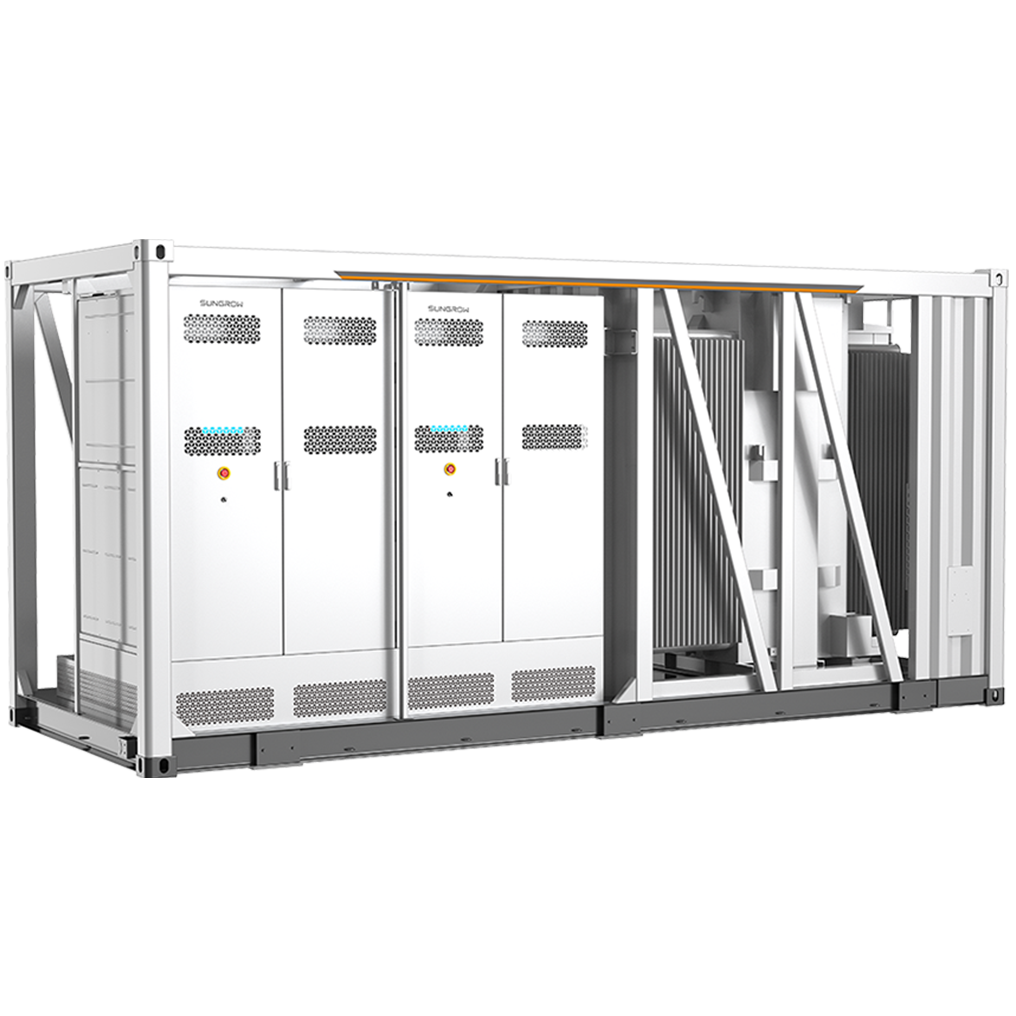
I speak from more than 15 years in B2B supply and project delivery, and I’ve seen contractors promise “bankable” performance and then deliver missed revenue targets. My worst memory: a 2021 winter peak event in Victoria where an under‑spec’ed modular inverter caused 12 hours of derating, costing the asset owner six figures in lost FCAS and peak shaving revenue. That kind of failure isn’t abstract — it’s hardware selection, firmware settings, and poor integration with grid services. We ignored capacity factor realities and paid for it. No kidding — these are solvable, but only if we stop repeating the same procurement checklist.
That diagnosis leads directly to alternatives and clear evaluation metrics — next, I compare real options and what I now insist on when I review proposals.
Forward-Looking: Comparative Paths for Scalable, Reliable Storage
Let me be blunt: not all utility deployments are equal. I claim that the right combination of inverter architecture, DC‑coupling strategy, and operations software makes the difference between a revenue-generating asset and an expensive standby. Consider two real choices I recommended in 2022 to different clients — one adopted centralized high‑power inverters with advanced state‑of‑charge controls; the other used many small inverters with poor coordination. The first recovered grid services revenue within nine months and reduced curtailment by 14% — the second struggled. That comparison matters because it ties technical choices to cash flow, and I’m tired of seeing glossy specs without simulated market outcomes.
What’s Next?
Technically speaking, we should evaluate architecture on three axes: efficiency (round‑trip efficiency), flexibility (inverter and control agility), and longevity (cycle life against warranty). I press vendors for detailed loss curves, failure mode data, and an honest simulation of dispatch under historical price stacks — not a hypothetical “perfect” week. I also insist on on‑site commissioning benchmarks (I still have the April 2023 log). Short fragments. — and yes, insistence matters; push back early, or you inherit the problem.
Here are three practical evaluation metrics I hand to procurement teams: 1) modeled revenue under three historical market scenarios (include at least one extreme): expected annual revenue and downside loss; 2) verified system degradation rate over test cycles (cycles to 80% capacity); 3) control‑layer latency and interoperability proof — how quickly the battery responds to grid signals and whether it integrates with your EMS. Test report? Demand it. I’ll interrupt — get a third‑party witness during commissioning. The result: clearer risk allocation, fewer surprises.
Finally, I’ll summarize plainly: traditional specs that prioritize low capex over operational resilience create systemic waste; the corrective is disciplined selection of inverter topology, attention to round‑trip efficiency, and contract terms tied to measured performance. For teams ready to act, those evaluation metrics will change vendor conversations. For practical partner options, I have recommended solutions from specialists like sungrow on more than one project, and I stand by the approach — we must move from optimism to measurable outcomes.
