


Why microbial risk stops projects cold
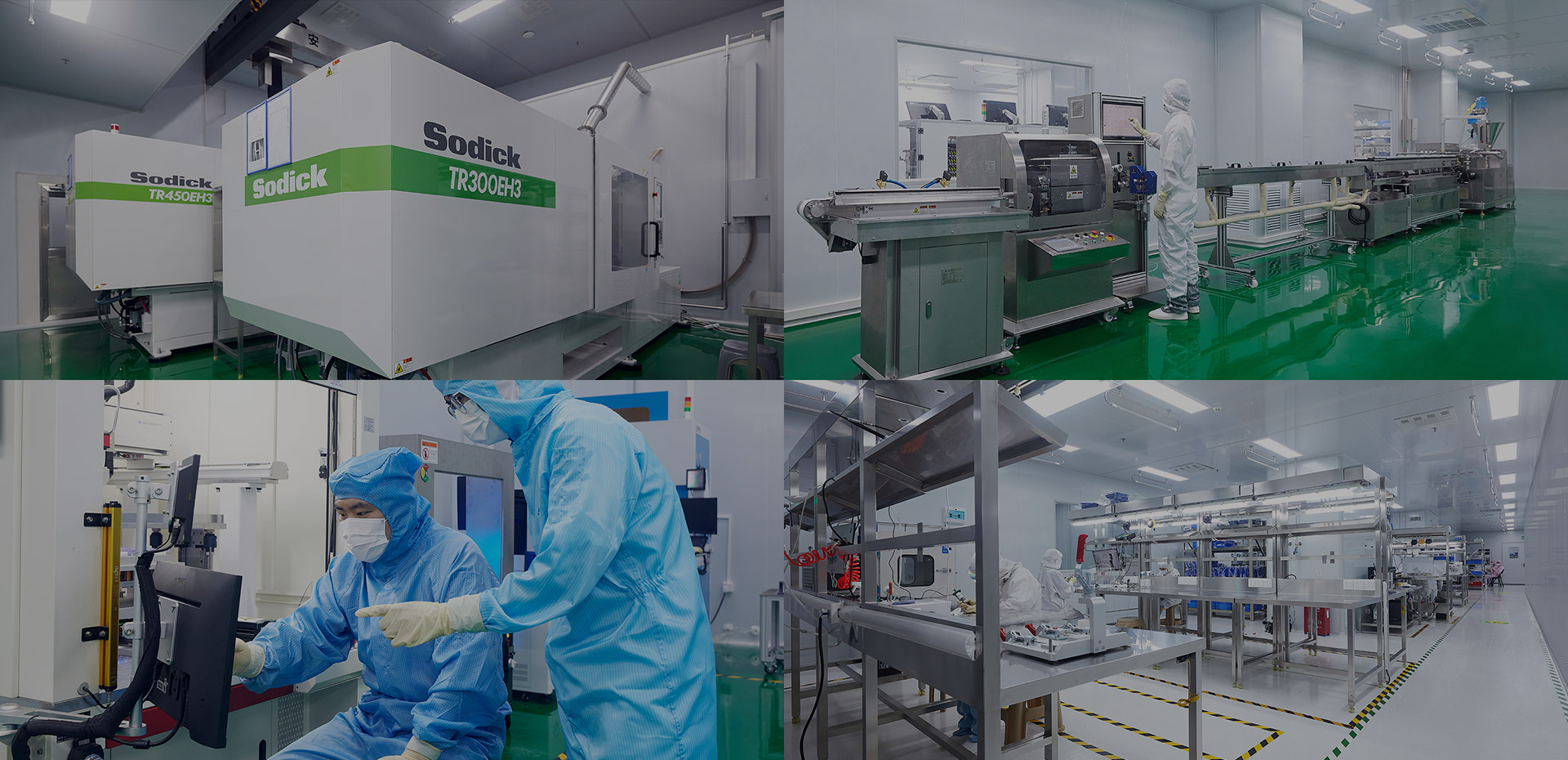
Teams rush prototypes, then bacteria or fungi make a mess of validation—that’s the problem. When you design biomedical systems, especially for implantables or fluid-contact parts, you can’t treat sterility as an afterthought; link design choices to real test methods from day one. I recommend mapping materials, assembly steps, and test plans around how contamination actually enters and grows, and that’s why I mention biomedical engineering devices early: their components and manufacturing steps expose the critical failure modes you must control.
Common ways development goes wrong
People pick exotic polymers without microbial challenge data. They assume a gamma run solves everything. They validate with a single method and call it done. They ignore how storage, transport, and packaging change microbial risk. Each shortcut forces expensive rework during clinical or regulatory review. Tight scopes and single-method thinking create the most predictable failures.
Focused, practical steps that work
Start with a brief, focused hazard map: list fluid-contact pathways and likely bioburden sources. Choose materials with known extractables/leachables and documented resistance to biofilm formation. Pair each design decision with a specific test: inoculation studies, endotoxin limits, and accelerated storage challenges. Build validation stages: lab bench bioburden control, pilot assembly checks, then manufacturing verification under worst-case loads. Use wet-lab controls and clear acceptance criteria—don’t rely on vague statements like “clean enough.” Record protocols so auditors see reproducible decisions.
Where teams should spend budget, not buzz
Invest in sampling and detection diversity. Faster assays plus culture-based confirmation find different failure modes. Put money into containment for assembly steps that expose internal surfaces, and into packaging that limits ingress during transport. Skip elaborate one-off tooling if it forces repeated cleanroom qualifications. Save the high-cost sterilization validation for when the product design is frozen.
Alternatives to the usual fixes
If standard sterilization paths clash with materials, compare low-temperature sterilants, validated aseptic assembly, and terminal sterilization after simplified assembly. Consider single-use subassemblies pre-qualified off-site versus building in-house where you control processes. Weigh supply-chain variability: a supplier with strong lot-testing reduces your downstream validation load but requires supplier qualification paperwork up front.
Real-world anchor and experience
At major events like the BIO International Convention, discussions routinely center on supply-chain reliability for single-use systems and how that drives choices around Bioprocessing Consumables. I’ve advised validation teams for over a decade on microbial controls and seen how a clear supplier audit and batch-level testing cut regulatory hold-ups by months in mid-stage device programs. That hands-on work taught me which protocols catch recurring problems and which are just paperwork.
What teams often miss when implementing controls
They treat supplier certificates as guarantees. They don’t run challenge tests that mimic real handling. They ignore environmental monitoring trends and fail to link them to process changes. Avoid single-point approvals; require replicate runs and real-world handling simulations. Document why each acceptance criterion exists—inspectors respect rationale backed by data, not assertions.
Short checklist to act on today
Map contamination pathways. Pick materials with data. Match each design choice to a test. Qualify suppliers with challenge data. Run worst-case handling tests. Maintain clear pass/fail limits. Repeat critical validations after process moves or material changes. These steps cut time and surprise during regulatory review.
How this ties to practical value
Clear problem-driven choices reduce surprises and rework. You build confidence into manufacturing, testing, and supplier relationships so clinical timelines hold. That confidence shows up in fewer corrective actions and smoother audits—exactly the result teams looking for when they partner with specialists like kingsin.
