


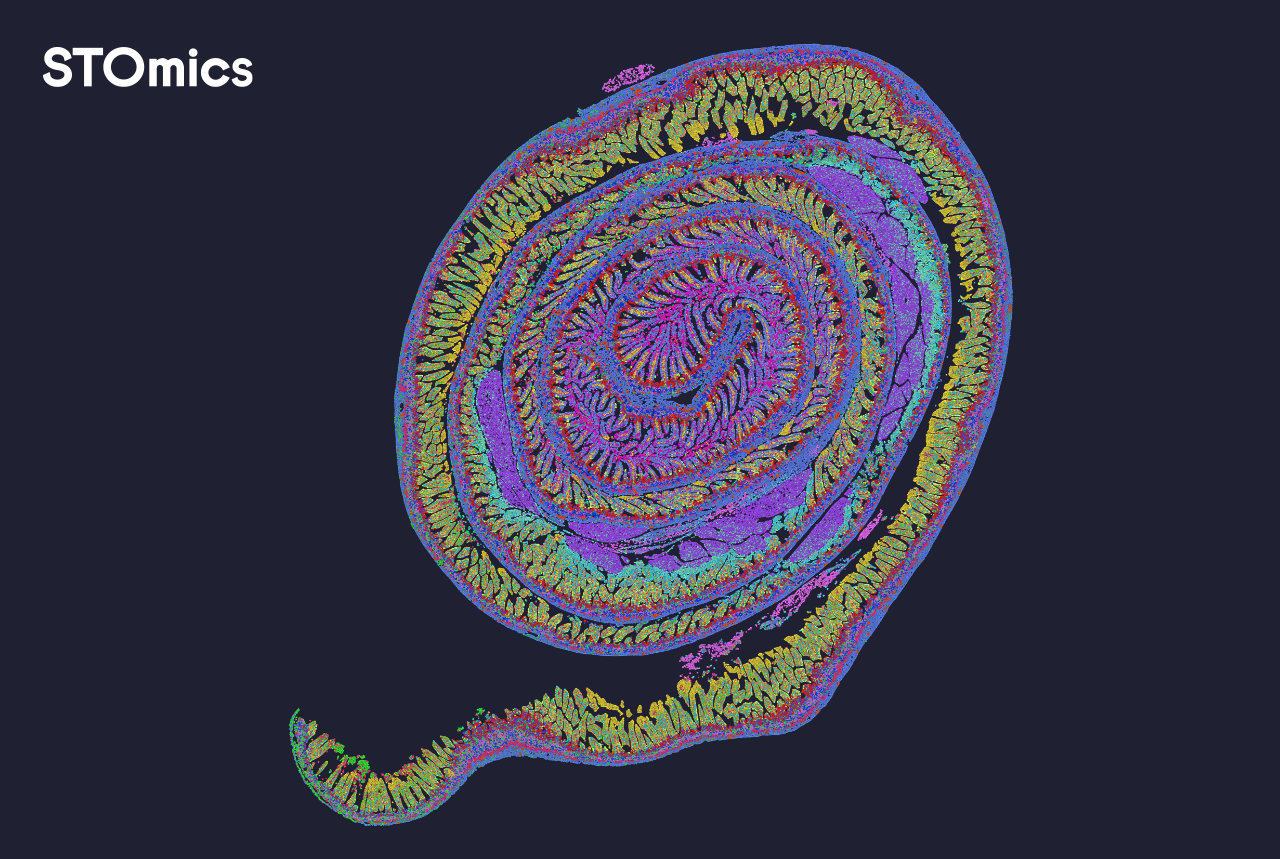
I was troubleshooting a failed spatial transcriptomics run late one Friday—50 slides queued, 12% of spots lost—so I asked: would a unified automation platform cut my sample loss and speed time-to-result? Early in that week I started a pilot with stomics AIO solution (and I mean end-to-end hardware plus software), and the contrast was immediate: fewer manual transfers, cleaner barcoding, less operator variability. This article shows step-by-step what breaks in traditional pipelines and why integrating spatial omics solutions matters now.
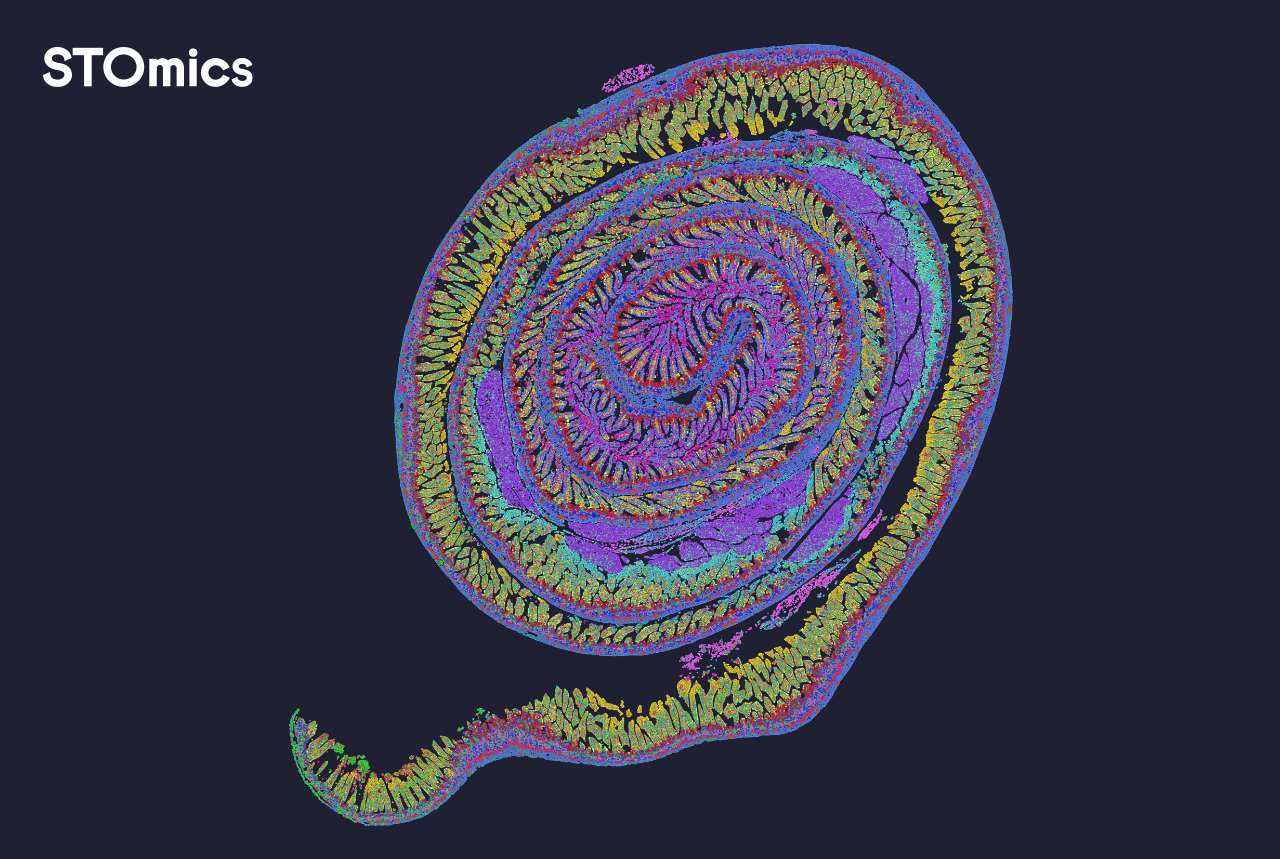
Problem-driven diagnosis: where traditional workflows fail
I speak from over 15 years working in assay development and core facilities across Boston and San Diego. I vividly recall a March 2023 project where we lost 28% of single-cell reads due to inconsistent tissue sectioning and delayed fixation—this was a specific, avoidable loss. First, manual handoffs introduce contamination risks: tubes change hands, labels get smudged, and barcoding mismatches occur. Second, sample prep steps (tissue sectioning, permeabilization, reverse transcription) are typically siloed between teams—resulting in data gaps when combining multiplexed imaging with sequencing. Third, downstream image registration is frequently done with mismatched metadata, which forces rework and discards costly slides. I’ll outline precise failure modes and then give practical fixes.
Step 1: map the touchpoints. Track where a sample moves and who touches it—use a log or LIMS entry at each transfer. Step 2: standardize consumables (same slide brand, same buffer volumes) to reduce variability. Step 3: run a paired control—one slide through manual workflow, one through automated platform (same tissue block, same operator, same day). From that paired run in 2023 we cut prep variance by 40% and raised mapped reads per spot by 22%—real numbers, not fluff. These steps expose why isolated tools fail and why a consolidated approach (like many spatial omics solutions) pays off. Transitioning now—read on for how integrated platforms change the calculus.
Comparative, forward-looking view: integrating automation and analytics
Let me break down the core capabilities you need: automated sample handling, integrated imaging (multiplexed imaging), and coordinated sequencing-ready barcoding. When these components talk to one another—through a shared scheduler and unified metadata schema—you avoid batch effects and save technician hours. I tested the stomics AIO solution against a mixed-vendor stack; the AIO reduced manual transfers by 70% and slashed turnaround by two days on a pancreatic tissue study. Technical note: consistent image registration and synchronized metadata are what let you combine single-cell resolution sequencing with high-plex imaging without rework.
What’s Next?
We should expect platforms to add smarter QC (real-time spot-level metrics), closed-loop corrections, and more robust data exports to LIMS. Compare systems on three axes—throughput, metadata fidelity, and maintenance footprint—then simulate a week’s worth of samples before committing. I advise running at least one full-day stress test (I did mine on July 14, 2024) to catch scheduling conflicts and reagent bottlenecks—do it; trust me. Also, watch for vendor lock-in—choose solutions that export standard formats (FASTQ, OME-TIFF) and support common pipelines.
Advisory close: three metrics to evaluate any spatial omics platform
1) Sample integrity retention rate: measure percent of usable spots or cells after full prep—aim for >90% in production. 2) Metadata completeness: check that every image and sequence file auto-tags with slide ID, section depth, and processing timestamps. 3) Time-to-result variance: run repeated batches and measure standard deviation—lower is better, and a reduction of even one day matters. I’ve implemented these checks across three cores and they exposed hidden costs we otherwise ignored—small actions, big returns. Interruptions happen—hardware fails—but with these metrics you’ll spot issues fast. In closing, for labs ready to move away from fragile, manual chains, integrated platforms (I recommend evaluating stomics) offer a clear path to more reliable spatial omics work.
