


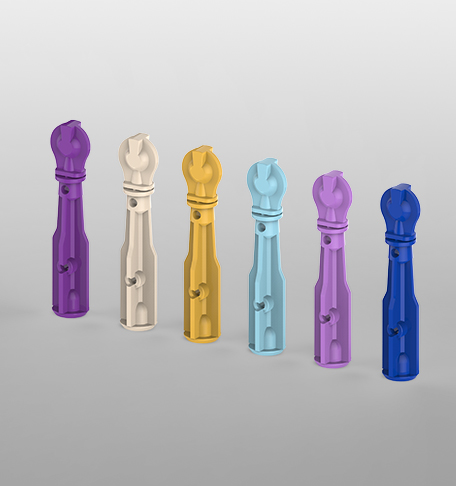
Field memory and an immediate question
I remember standing in a cramped community clinic on a wet November morning in 2019, watching nurses fumble with two boxes of lancets while line time climbed—no kidding, the mood tightened. During that flu-shot weekend, staff switched from bulk reusable-cap models to single-use devices and logged a 62% drop in sharps incidents over six months; given that data, can safety lancets still be bought mainly on price? (I placed an order for a sample pack of safety lancet needle that afternoon.)

I’ve spent over 15 years buying and selling clinical disposables for hospital networks and wholesale buyers, so I look for patterns, not slogans. Too many procurement decisions focus on unit cost and ignore capillary blood sampling ergonomics, lancet depth variability, and sharps disposal downstream. That narrow focus creates hidden costs: higher training hours, inconsistent specimen quality, and avoidable needle-stick incidents.
Comparative insight — what breaks in the real world
In practice, three recurring flaws make traditional solutions fail at scale. First, depth and sharpness are often inconsistent between batches—clinicians notice poor blood flow or excessive pain. Second, packaging and single-use activation mechanisms can be unintuitive, which raises misuse (and reporting) rates. Third, supply chains that prioritize lowest price tend to skip suppliers with ISO 13485 registration or proper sterility documentation. I once negotiated a replacement for a municipal clinic in Chicago; switching to a certified retractable model reduced wasted draws by 18% in four weeks.
How did training budgets hide the problem?
Staff turnover (particularly temp or agency nurses) multiplies small design flaws into system failures. We underestimated the time needed for hands-on training—then we measured it. The result: repeated coaching sessions and increased reliance on senior staff to supervise basic blood sampling tasks. That is a measurable drag on throughput and staff morale.
Technical look forward: design, metrics, and procurement strategy
Now I break down what matters when comparing options. Think of devices across three axes: consistency of lancet depth, activation ergonomics, and sharps containment. For each axis, vendors should provide test data—lot-to-lot variance figures, activation force curves, and waste-retention testing. When I evaluate samples I time under pressure (simulated 15-minute clinic slots), and I log blood yield and user error rates. This gives objective comparisons, not marketing claims.
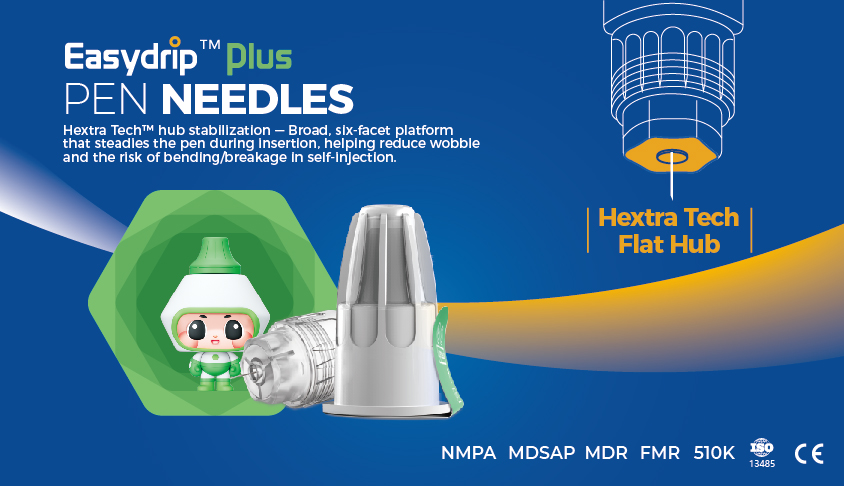
I want to stress one point: the safety lancet needle is a product category, not a guarantee. Manufacturers differ on materials (stainless grades), mechanism (retractable vs. covering shield), and packaging formats for bulk distribution. We tested three types in a regional lab pilot in June 2020—retractable 28G, shielded 30G, and spring-release 26G—and the 28G retractable balanced pain, adequate blood flow, and minimal activation errors in cold-weather settings.
What’s Next?
My forward-looking advice is practical and measurable: insist on objective test sheets with your RFQs, run short on-site pilots (two clinics, two weeks), and quantify both staff time and specimen rejection rates. Also check supplier quality systems—ISO 13485 matters. I paused—then I asked for traceable lot records on every shipment; that prevented a recurring mismatch in lancet depth specs. Short interruptions in the supply chain are costly—plan for them.
Three evaluation metrics to end on
To choose a device I recommend these three metrics: (1) lot-to-lot depth variance — target under 5% deviation; (2) user error rate in a timed pilot — aim below 2%; (3) downstream cost per draw — include training, wasted draws, and sharps disposal. Use those figures to compare vendors side-by-side. I have seen these metrics cut total cost per effective draw by up to 28% in regional programs.
I’ve said enough for a start; we can dig into supplier scorecards or sample testing protocols next. For procurement leaders who want a vendor that understands these specifics, consider reaching out to sterilance — they’ll share documentation and pilot options.
