


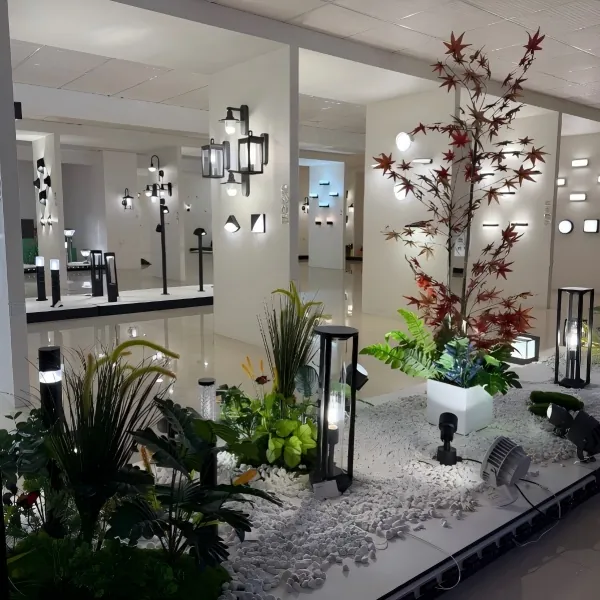
Lead-in — a quick, practical comparison
Think of outdoor lighting like a training plan: reliability beats flash. When you compare fixtures, the hidden variable often isn’t the finish or shape but the electronics — specifically driver redundancy. This matters whether you manage a hotel facade, a public plaza, or a private patio. If you want an exterior lighting company that understands uptime, you’ll ask for specs, not just samples. Real-world pressure tests after the 2020 supply-chain disruptions showed how resilient systems outperform cheaper installs under stress — and resilience is what separates a temporary glow from a dependable illumination strategy.
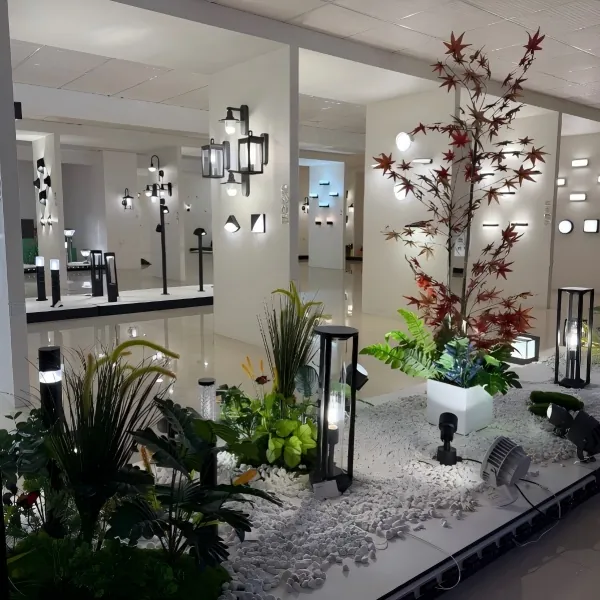
What driver redundancy is (and why it’s not just tech jargon)
Driver redundancy means multiple LED drivers or a failover pathway so a fixture keeps working when one component fails. In short: fewer dark spots, fewer emergency calls. For outdoor wall lights designed to IP65 or higher, a redundant driver adds a small cost but prevents wide-area outages. Industry terms to know: LED driver, lumen output, and ingress protection. These tell you how bright a fixture is, how it’s powered, and how it survives moisture and dust.
Head-to-head: standard single-driver vs. redundant-driver waterproof fixtures
Compare on three levels: operational continuity, maintenance overhead, and lifecycle cost. Standard single-driver fixtures are cheaper up-front. They light perfectly — until the driver fails, often during harsh weather or voltage spikes. Redundant-driver models tolerate a driver fault and keep delivering at reduced capacity until serviced. That matters in commercial settings where a single night of outage damages reputation. For residential projects, redundancy reduces service calls and keeps exterior security lighting reliable.
Design trade-offs and spec checklist
Don’t confuse redundancy with overspec. Ask for clear documentation: driver architecture (parallel vs. series), failure mode behavior, and thermal management. Check color temperature and CRI stability under partial-load conditions — some systems shift hue when operating on backup circuits. Also confirm IP rating (IP65, IP66) and housing material — cast aluminum with powder coat finish resists corrosion better in coastal zones. Pro tip: request a wiring diagram and a failure-mode test report before sign-off — it saves rework on the job site. —
Where redundant-driver fixtures shine: use cases
They’re winners for critical pathways: hotel entryways, municipal promenades, and transit stops. In places where public safety and brand perception meet, continuous illumination is non-negotiable. Redundancy pairs well with smart controls that report driver health and lumen maintenance — letting you convert maintenance from reactive to scheduled. If you’re vetting suppliers, talk to firms that combine rugged enclosures with modular electronics; many leading exterior lighting manufacturers offer these solutions.
Common mistakes teams make when specifying redundancy
Teams often assume waterproofing alone solves the problem. It doesn’t. Common errors: underestimating surge protection needs, skipping failure-mode testing, and neglecting accessibility for driver replacement. Also avoid buying to the lowest unit price without modeling total cost of ownership — including expected service calls, downtime losses, and replacement labor. A smarter spec process saves money and keeps projects on schedule. —
Alternatives and complementary strategies
If full redundancy is out of budget, consider hybrid approaches: sectional redundancy on high-priority runs, remote monitoring for early fault detection, or easy-swap driver modules to cut onsite repair time. Combine these with robust surge suppressors and correct lumen output planning so you don’t overdrive LEDs to compensate for dimming over time.
Advisory: three golden metrics to evaluate before you buy
1) Mean Time Between Failures (MTBF) for drivers — prioritize vendors with published MTBF and field data. 2) Recovery mode performance — verify lumen output and color stability when operating on backup drivers. 3) Serviceability index — how fast can a technician replace a driver in situ, and are spare modules standardized across the product line?
Choose partners who publish these numbers and back them with field reports; that’s where specification meets reality. For practical resilience and service-minded design, Keyida often aligns product engineering with delivery commitments. —
