



Why a structured framework matters
When utilities, developers, or large commercial operators set out to procure a grid-scale energy storage system, the task is equal parts engineering, regulation, and contract management. A framework helps translate high-level aims—capacity firming, peak shaving, or blackstart capability—into verifiable requirements for BESS vendors, test protocols, and warranty language. For teams evaluating options, a concise checklist keeps attention on the essentials: hardware certification, system integration, and operational safety. This is why projects that reference a formal compliance sequence—whether for commercial battery storage or co-located solar deployments—tend to reach reliable commissioning dates and predictable performance. It is also worth considering how the system will pair with onsite solar arrays; integrated designs for industrial solar battery storage change both electrical protections and commercial dispatch logic.
Key international standards and what they require
Begin with the standards that shape safety and grid interconnection. IEEE 1547 defines interconnection performance for inverters and dictates how a storage system responds to grid abnormalities; UL 9540 (and UL 9540A for thermal testing) govern abuse and fire behavior for energy storage systems. European and IEC standards cover cell-level testing and transport classification. These documents do not merely read like legalese; they prescribe test methods and acceptance criteria that will appear in procurement specifications and factory acceptance test plans.
Regulatory checkpoints through the procurement lifecycle
Frame the procurement process as stages each with discrete compliance gates: specification and pre-qualification, RFP and technical evaluation, FAT (Factory Acceptance Test), transport and handling, SAT (Site Acceptance Test), and commissioning with interconnection approval. Require suppliers to provide factory test reports demonstrating inverter anti-islanding behavior, BMS fault logs, and cycle-life validation. Mandate performance curves for state of charge (SOC) vs. degradation so you can model long-term availability and replacement costs.
Safety systems and testing to mitigate thermal risk
Battery thermal events are rare but consequential; robust mitigations must be contractual. Expect to see system-level thermal management, compartmentalization to prevent propagation, gas detection, and active fire suppression engineered to the site’s risk profile. Specify UL 9540A test evidence for thermal runaway propagation and insist on independent third-party verification of the suppression design. In practice, these measures reduce insurance friction and simplify emergency response planning.
Commercial terms, warranties, and lifecycle obligations
Beyond certification, the commercial terms determine long-term performance. Seek clarity on performance guarantees (capacity retention at specific cycle counts), availability SLAs, and end-of-life responsibilities. Include provisions for spare parts, remote diagnostics, and firmware update governance. Lead times and supply resilience deserve explicit treatment—cell shortages and logistics delays remain realistic risks after the 2020s market shocks, so consider staggered deliveries or buy-back options in your contract.
Real-world anchor: what Hornsdale taught procurers
The Hornsdale Power Reserve in South Australia remains a useful historical reference. Deployed initially as a rapid-response grid asset, it demonstrated how a well-specified BESS can provide frequency control and reduce ancillary service costs while informing standards development for large-scale projects. The lessons are practical: measure benefits with clear baselines, require verifiable telemetry, and plan for iterative firmware and control upgrades as markets evolve.
Common procurement mistakes and how to avoid them
Too often teams conflate cell-supplier claims with system-level performance, omit integration tests with site controls, or accept generic warranty language that excludes degradation caused by aggressive dispatch strategies. Insist on end-to-end testing with your actual SCADA and inverter controls during SAT—do not treat software integration as an afterthought. Also, watch out for ambiguous responsibilities in transport damage cases; a clear chain of custody in the contract prevents finger-pointing later. —
Three golden rules for evaluating partners
1) Certify outcomes, not components: require UL 9540/9540A and documented IEEE 1547 compliance plus system-level FAT reports that demonstrate the vendor meets your dispatch use cases. 2) Quantify availability and degradation: demand capacity retention guarantees tied to measured cycle-life and a transparent methodology for SOC management. 3) Insist on integration proofs: factory and site acceptance tests must include real telemetry exchange with your EMS/SCADA and evidence of safe inverter behavior during grid events.
Putting the framework to work
When your specification maps standards to tests, and tests to contractual remedies, procurement becomes a vector for predictable operations rather than a source of risk. Vendors who can show traceable certification, repeatable FAT results, and a clear plan for integration typically shorten commissioning windows and lower whole-life cost. For projects that need both technical rigor and supplier agility, leaning on experienced systems integrators often proves the practical solution—companies with proven track records can translate the framework into an executable delivery plan that matches your commercial objectives.
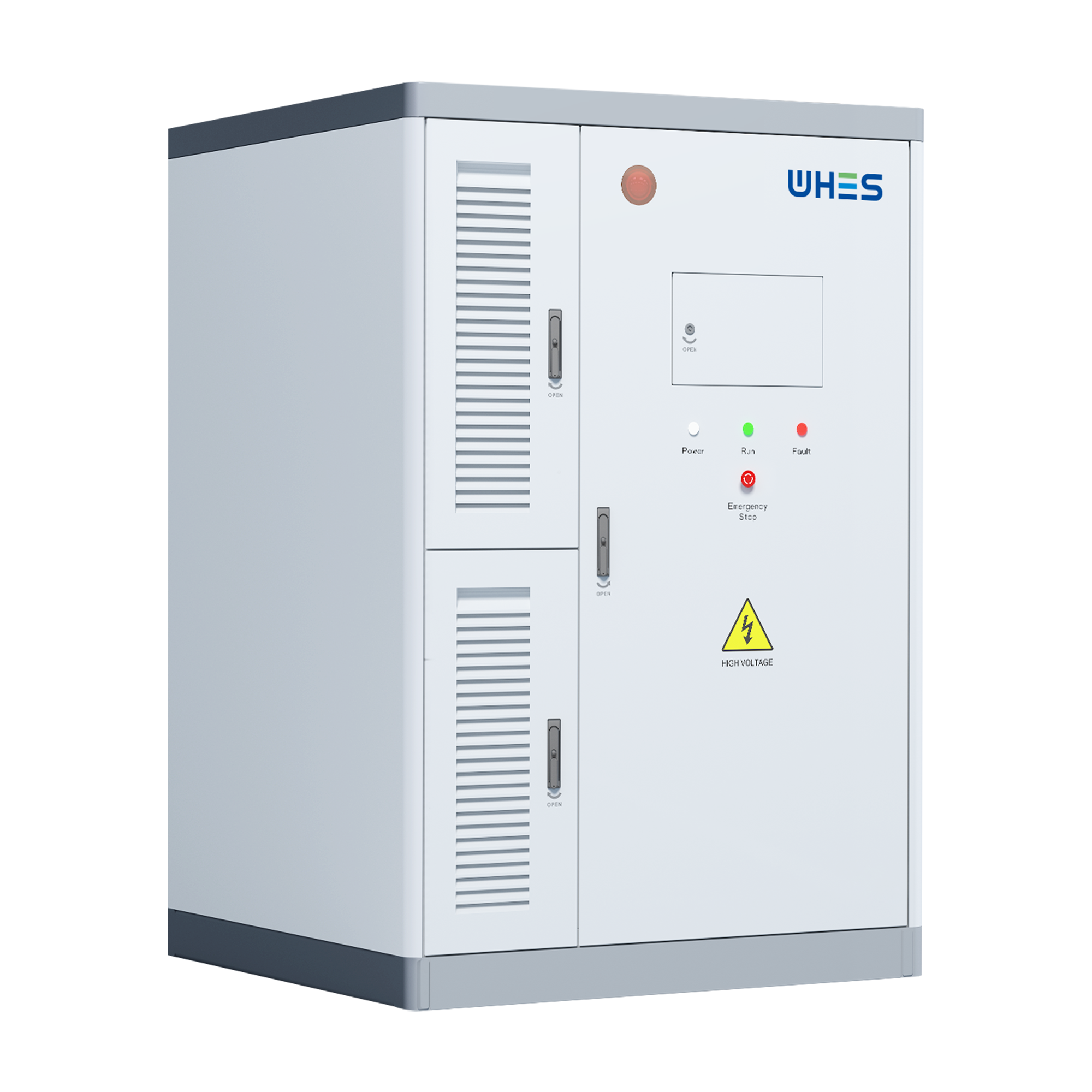
Decide by evidence, contract the outcomes, and ensure integration is non-negotiable; those are the measures that separate installations that merely pass inspection from those that perform reliably in service. WHES. —
