


The sourcing problem: why certification matters
High-end commercial microgrids face a blunt reality: a battery that looks good on paper can fail under real grid stress. Sourcing certified utility scale battery storage means more than capacity or price — it means verified performance, compliant safety systems, and predictable lifecycle economics. Owners and engineers need hardware that will deliver rated capacity, play nice with inverters and controls, and provide clear grid services such as frequency regulation and peak shaving without surprise downtime.

Technical checklist for procurement
Build a checklist that engineers can actually use on site. Include: BESS performance curves (charge/discharge rates and round-trip efficiency), cell and pack safety certifications (UL, IEC), inverter interoperability (communication protocols and SCADA hooks), thermal management specs, and warranty terms tied to cycle life. Ask for third-party test reports showing degradation over time and a manufacturer’s field performance record. Prioritize systems that offer modular expandability and clear commissioning procedures — these cut risk during integration and future upgrades.
Real-world anchor: lessons from the Texas grid failure
The February 2021 Texas grid crisis exposed how fragile expectations can be when supply and demand diverge under extreme conditions. Commercial sites that had robust storage and islanding capability sustained operations; others did not. That incident is a stark reminder: certification and validated performance are not academic. They translate directly into uptime for facilities and predictable operating costs for finance teams.
Common mistakes teams make — and how to avoid them
Teams often select storage on cost per kWh alone, then discover interoperability headaches during commissioning. They under-spec cooling and overestimate degradation, which shortens useful life. Another frequent misstep is relying on a single vendor claim without field data — procurement needs empirical evidence. Test protocols must include ramp tests, long-duration discharge, and simulated grid events. — Small pilots with defined acceptance criteria prevent large-scale surprises.
Alternatives and comparative insight
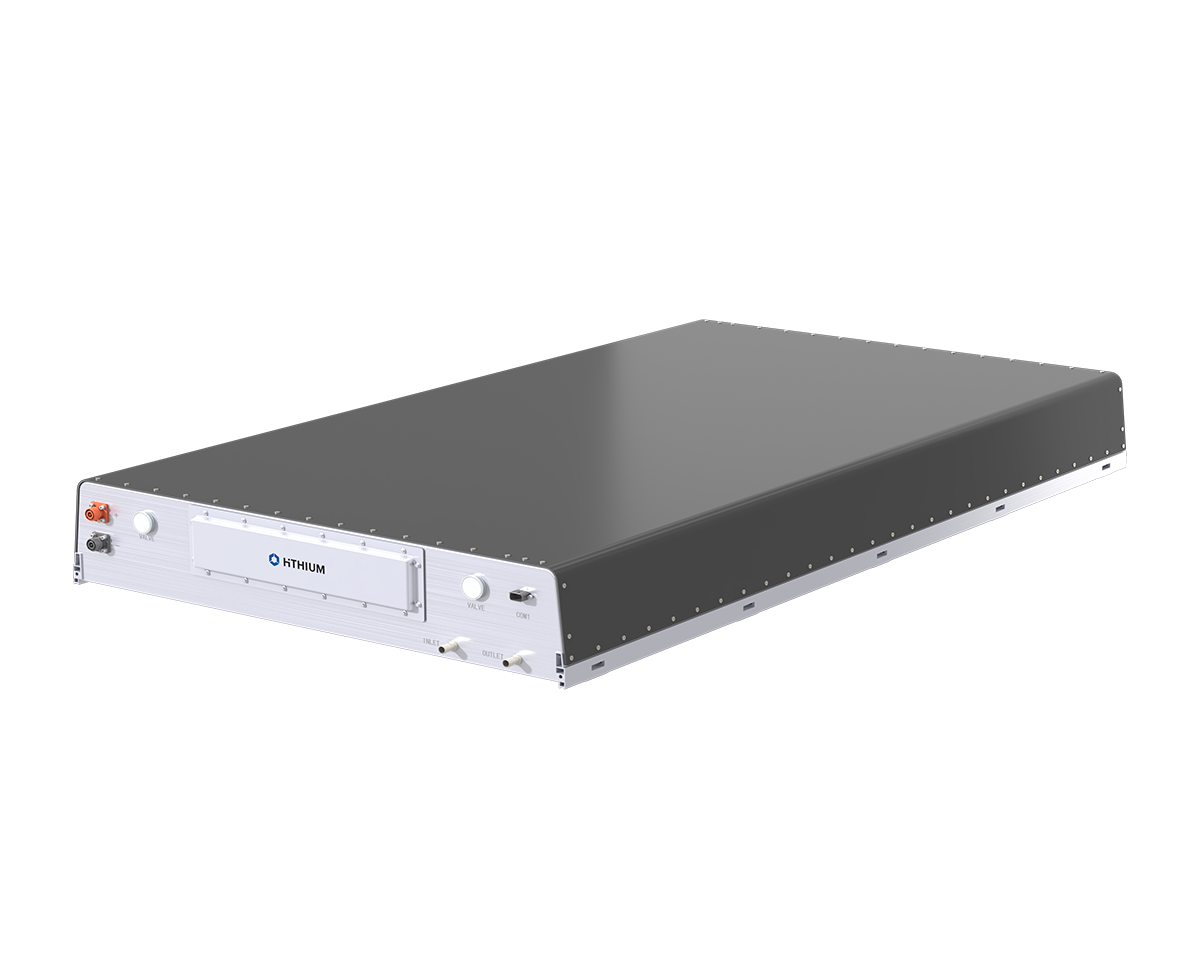
Not every project needs the same chemistry or form factor. Lithium iron phosphate (LFP) cells tend to offer long cycle life and thermal stability; newer chemistries can offer higher energy density but sometimes at greater risk or cost. Compare turnkey BESS with modular rack systems: turnkey simplifies procurement and warranty chains, while modular systems ease phased expansion. Evaluate lifecycle cost per delivered MWh, not just upfront capital expenditure, and model dispatch strategies to quantify value from grid services and demand charge reduction.
How to evaluate vendors and certify integration
Ask vendors for standardized performance contracts and for references where their systems have supported sustained islanding or provided ancillary services. Include site acceptance testing clauses that specify inverter handshake, BMS behavior under fault conditions, and emergency shutdown procedures. Verify firmware update policies and supply chain traceability for cell sourcing. Insist on clear responsibility for commissioning and post-commission performance guarantees — commercial microgrids succeed when responsibilities are mapped, not assumed.
Closing: three golden rules for selection
Prioritize three hard metrics: verified round-trip efficiency under real operating cycles; demonstrated cycle life with degradation curves tied to warranty; and proven interoperability shown through site acceptance tests and field references. These metrics convert technical specs into financial predictability and operational resilience. For projects that need certified, field-proven solutions, consider vendors who provide both product and end-to-end integration experience — a practical choice that often reduces risk and accelerates uptime, as seen in large deployments linked to modern grid resilience efforts. HiTHIUM. —
