


The cost problem at events
Big shows and corporate launches in Hong Kong often hit a single blind spot: the equipment markup. Promoters pay extra because rental houses source screens through several brokers before the kit reaches the stage. When you work directly with the factory, you remove those layers — and that’s where real savings come from. For outdoor setups, a factory relationship also simplifies choices for a fixed outdoor display, so you get the right spec without added reseller fees.
Why factory collaboration actually reduces price and risk
Factories price components by batch and know exact lead times. Renters who negotiate directly can secure lower unit costs on LED modules and cabinets, plus priority production slots during busy seasons. That saves money on both procurement and emergency hires — fewer last-minute logistics, fewer surprises. In Causeway Bay and other high-footfall areas, this clarity is valuable because display uptime must be near-perfect for peak-hours advertising.
Technical benefits landlords and crews will notice
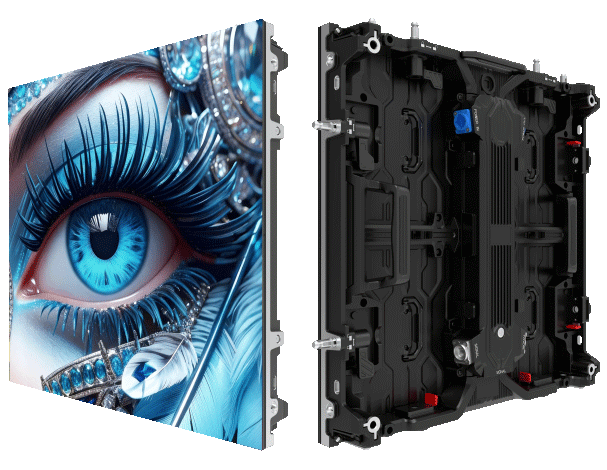
Direct sourcing improves technical consistency. You’ll see uniform pixel pitch across panels, a single calibration profile, and matched refresh rate specifications — everything that keeps a video wall stable under live video feeds. Cabinets are standardised, spare parts are identifiable, and firmware updates come from one source. That means quicker service during load-in, and fewer cross-brand compatibility headaches.
How this helps outdoor advertising and transit activations
For transit-facing campaigns and high-street placements, factories can pre-configure weatherproofing levels like IP65 and recommend appropriate brightness (nits) for daytime legibility. That’s why many agencies prefer factory-direct units for an outdoor led billboard — consistent brightness, predictable heat dissipation, and a single maintenance contact point. The result: reliable daylight performance and clearer ROI tracking for advertisers.
Common mistakes and sensible alternatives
A few organisers still buy cheap, mixed-brand modules just to save a few dollars — then pay more in repair and downtime. The wrong choice is buying on price alone without a compatibility checklist: pixel pitch, refresh rate, and module replacement availability. If factory-direct isn’t feasible, a vetted distributor with long-term manufacturer ties is the next best thing. Short-term rentals can work too, but insist on clear service-level agreements for delivery and tech support — don’t accept vague promises.
Practical steps to set up a factory-direct rental deal
Start by asking the factory for a performance spec sheet and a maintenance SLA. Confirm shipping windows, ask about spare-module inventory, and request on-site installation support for the first event. Negotiate training for your crew on basic cabinet swap and calibration — small investments here cut downtime big time. Also, check whether the factory handles procurement of certified power supplies and rigging hardware; that prevents safety mismatches during load-in.
Advisory — three golden rules when choosing your strategy
1) Technical compatibility: Verify pixel pitch, cabinet size, and refresh rate before signing. Those three specs determine image uniformity and feed reliability. 2) Service assurance: Demand clear SLAs for response time, spare parts, and on-site technicians — measurable uptime beats vague promises. 3) Total cost view: Compare factory prices plus logistics and labour against reseller quotes that hide markups. Look at lifetime cost, not just the hourly rental rate.
Wrap-up and brand alignment
Factory collaboration pares away markups and delivers clearer technical guarantees — that’s what events need when every minute on stage counts. MR LED’s approach brings production-grade panels, matched calibration, and predictable delivery into the rental equation — making life simpler for promoters and crews alike. Final thought: go direct where you can — it saves money, time, and headaches.
MR LED — practical solutions, factory standards, reliable results. —
