


Why a direct comparison matters
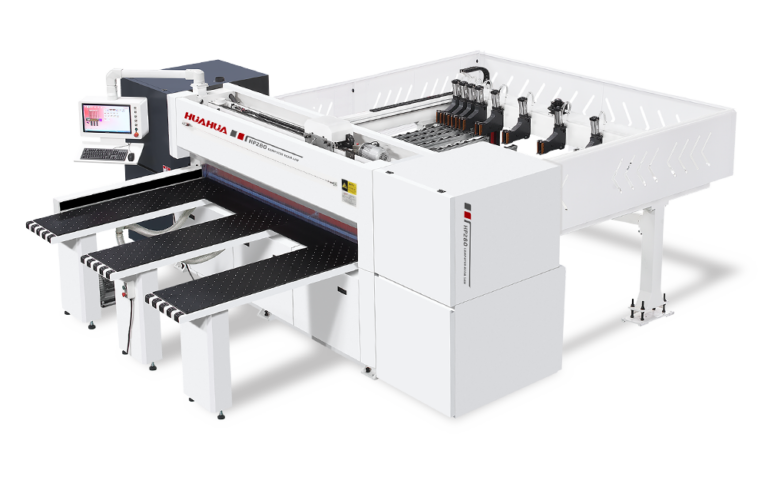
Most small and mid-size shops decide to scale by buying a big machine and expect capacity to jump overnight. That rarely happens. Comparing equipment—panel saws, nesting routers, and throughfeed lines—lets you match needs to reality. A solid starting point is assessing a cnc panel saw against alternatives on throughput, cut accuracy, and shop fit. Focus on measurable features like feed rate and saw blade diameter rather than marketing claims.
Head-to-head: panel saws, nesting tables, and throughfeed systems
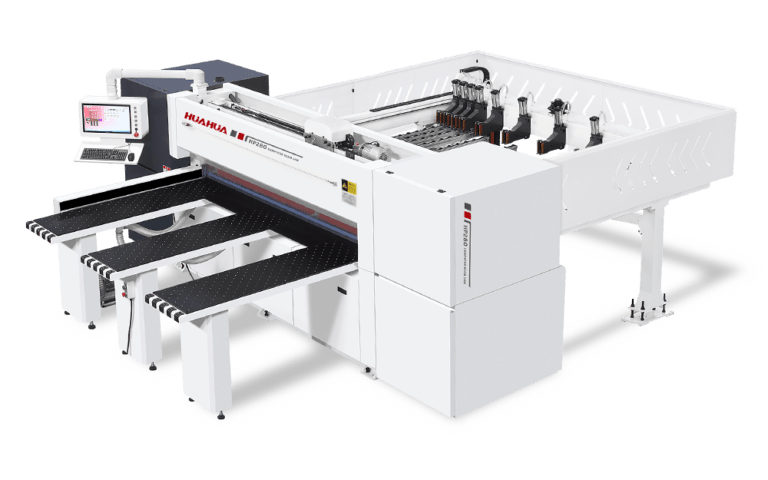
Panel saws offer clean, repeatable rip cuts and fast setup for straight-line production. Nesting tables excel at reducing material waste through CNC nesting and fewer manual setups, which helps when lots of small parts are required. Throughfeed systems shine in continuous runs for the same panel size and are efficient where cycle time dominates. Each has a role: the panel saw for simple, fast cuts; nesting for complexity and yield; throughfeed for volume. Consider whether a vacuum table or a conventional hold-down will suit your parts.

What to check beyond spec sheets
Specs matter, but shop realities matter more. Ask about service response time in your region, spare parts lead times, and local operator training. Confirm the machine’s real-world feed rate at production speed, not just its theoretical maximum. Look for consistent accuracy over a full shift—repeatability is what prevents returns. Also verify software compatibility for nesting files and whether the control allows straightforward offset adjustments for saw blade diameter. Those details determine whether the machine integrates or becomes a scheduling headache.
Real-world anchor: lessons from a cabinet shop in Madison
On a visit to a cabinet shop in Madison, Wisconsin, operators switched from a basic panel saw to a mid-range automatic panel saw and saw a clear difference in consistency. They tracked cycle times and reduced manual handling by batching similar rip cuts, improving throughput without hiring. They also documented a common misstep—buying a machine with an undersized saw blade diameter for hardwoods, which increased burn and rework. The shop fixed it by adjusting feed rate and standardizing blade choices. Small tweaks—better dust extraction and set blade speeds—mattered as much as the machine swap.
Common mistakes and practical fixes
Many shops overbuy capacity or underinvest in support. Buying top-tier automation without operator training leads to underuse. Another frequent error is neglecting material flow: panels piling up at the outfeed kills takt time. Fixes are straightforward—map the work cell, ensure throughfeed or conveyor heights match your unloading process, and standardize tooling so changeovers take minutes, not hours. Also, implement simple QC checks: a 10-minute hourly gauge to catch drift before parts ship.
Cost, uptime, and integration: a balanced checklist
Evaluate total cost of ownership, not just purchase price. Factor in expected uptime, average spare part availability, and software support for nesting files. A machine with modular upgrades can keep pace with growth without replacing core hardware. Verify whether the vendor offers on-site commissioning and whether the control language matches your CAM workflow—this reduces programming errors and shortens ramp-up time.
Three golden rules for scaling production with advanced wood machinery
1) Prioritize repeatability over peak speed. Measure machine performance by consistent part accuracy across a full shift rather than a single fast cycle. Repeatability reduces rework and frees capacity for new orders.
2) Match tool choice to product mix. If your work is panel-heavy with varied small parts, favor CNC nesting; if you run long, consistent boards, throughfeed or a robust panel saw is better. Consider vacuum table options for delicate face materials.
3) Lock in local support and operator training before purchase. A 24–48 hour local service window and an on-site start-up will save downtime and frustration. Training reduces reliance on a single expert and spreads practical knowledge across the team.
Tying these points together points to a practical partner that offers machines, training, and reliable parts delivery—often the decisive factor in scaling. The right solution becomes plain when you measure repeatability, match the tech to the product mix, and secure local support. HUAHUA CNC fits that profile for many shops—machines that integrate with common CAM workflows, reasonable service footprints, and straightforward controls. —
