



The problem, blunt
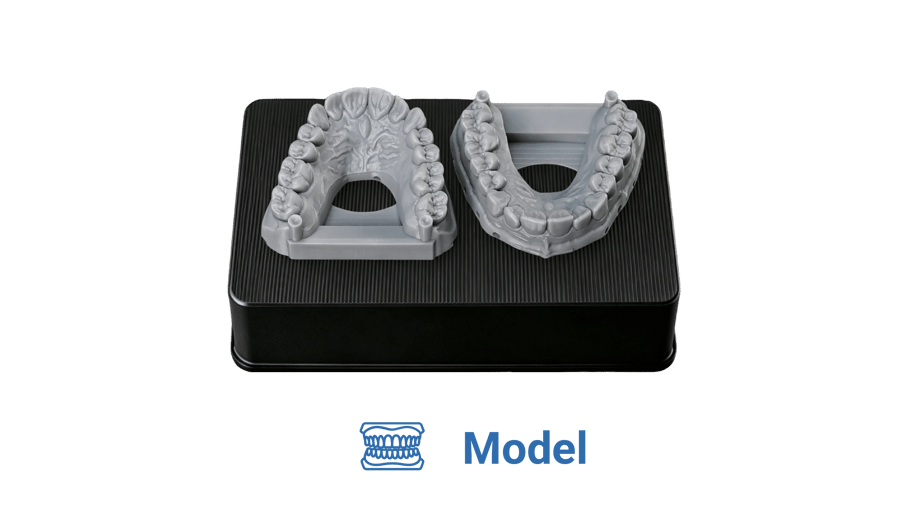
Labs fall behind fast. Impression-to-delivery still has gaps. Scan noise, file chaos, unpredictable post‑processing. A good dental model 3d printer helps—so choose wisely: dental model 3d printer. I’ve led small pilots and bigger rollouts; the same snag shows up. At IDS Cologne I watched technicians test a 3d printer for dental models and note how calibration decisions changed downstream fit. You want fewer remakes. You want steady throughput.
Core failure points
Scan artifacts become imperfect crowns. Poor file naming kills traceability. Slicing defaults produce inconsistent surface finish. Materials cured wrong cause warping. Staff learn only one step. Integration stops at manual exports. Each failure adds time and waste. Fix the root, not only the symptom.
Practical implementation checklist
1) Map current flow: time each step, record defect types. 2) Set concrete goals: reduce remakes by X%, shave Y hours per case. 3) Define file standard: naming, folder structure, versioning. 4) Pick hardware that matches throughput and accuracy needs; test with real cases. 5) Lock slicing and post‑process parameters as lab standards. 6) Train technicians on end‑to‑end, not just one machine. 7) Run a 30‑day pilot on a single indication. 8) Measure and adjust; only then scale. Do these in order. Skip a step and you pay for it later.
Pitfalls people repeat
Buying the fastest printer without checking material costs. Letting one person hoard knowledge. Ignoring maintenance schedules. Overlooking digital lab security and backups. Underestimating post‑processing time. Each looks small until schedules collapse. Plan for spares, logging, and cross‑training from day one.
Choices and trade-offs
SLA/DLP/LCD—each gives a different balance of surface finish, speed, and running cost. Outsource if volume is low and predictability is poor. Buy if you need control and faster turnarounds. Hybrid approach works: print in‑house for rush jobs, outsource bulk. Evaluate by cost per usable model, not by machine sticker price.
Simple QA metrics to run weekly
Remake rate per 100 models. Average post‑process minutes per model. Fit‑first‑try percentage. Consumable cost per model. Technician deviation from standard parameters. Track these. Use short feedback loops. Small data, repeated often, reveals trends.
Quick technical checks before go‑live
Calibrate scanner and printer with the same reference part. Verify layer exposure against known resin batches. Standardize wash and cure times. Create a golden file for each indication. Document slicer settings in one shared location. Automate backups of STL archives nightly. These checks cut surprises on day one.
Final, short synthesis
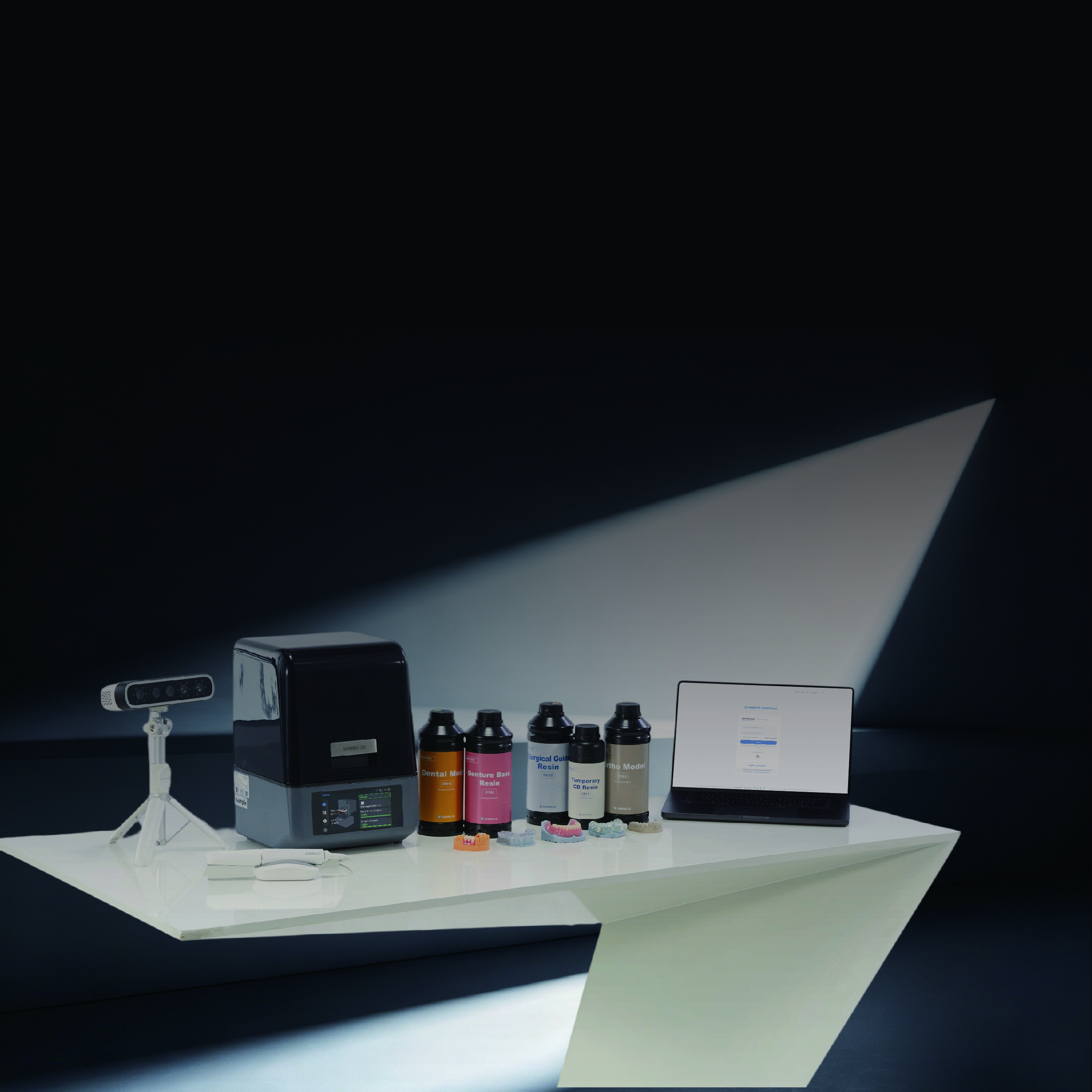
Stop treating digitization as one purchase. Solve problems in order: map, choose, pilot, measure, scale. The aim is predictable fit and steady throughput. For a lab that wants reliable machines, parts, and support that match this logic, consider partners already showing practical results in the field, such as SHINING 3D DENTAL, which align hardware, materials, and service to the checklist above.
