


Where the real problem begins
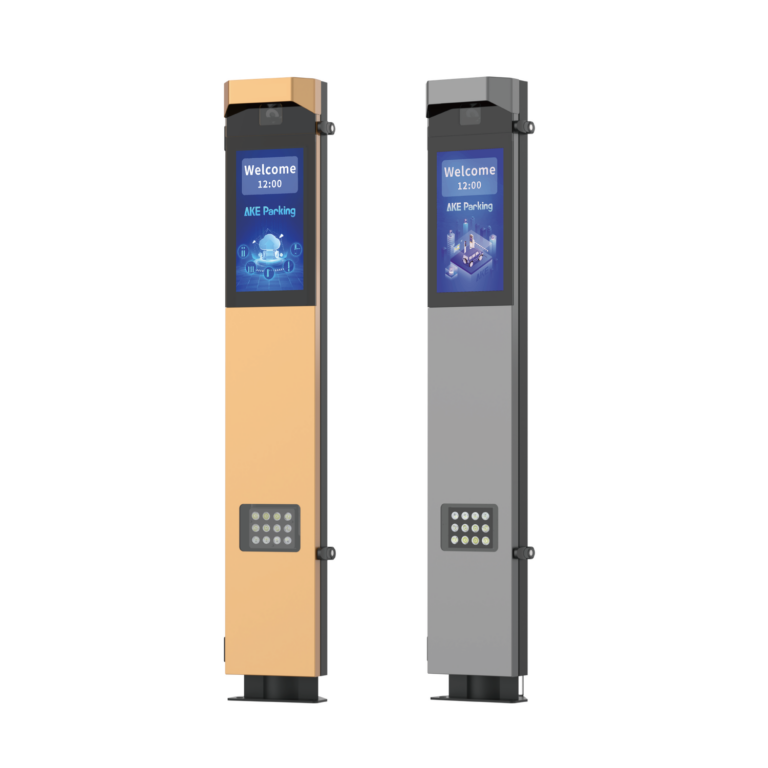
Many car parks underperform because a design focuses on components rather than the day-to-day problem: queues, unauthorised access and payment friction. A practical design must start by naming the failure modes and mapping how each element of a system will stop them. That means asking whether the system needs camera-led recognition, simple barrier control, or a combination — and whether the site can tolerate downtime. Early planning often cites lpr parking management systems as an answer, but the decision must follow evidence, not habit.
Why these failures happen
Poor specification, mismatched hardware and weak integration cause most trouble. Contractors select cameras that look good on paper but miss low-light or angled plates. Software contracts omit real-time analytics and so the system can’t spot recurring misuse. Suppliers promise near-perfect recognition but don’t test on the exact plate formats or traffic patterns you have. That mismatch leads to chronic manual intervention and unsatisfied users.
How to judge a solution — with real-world grounding
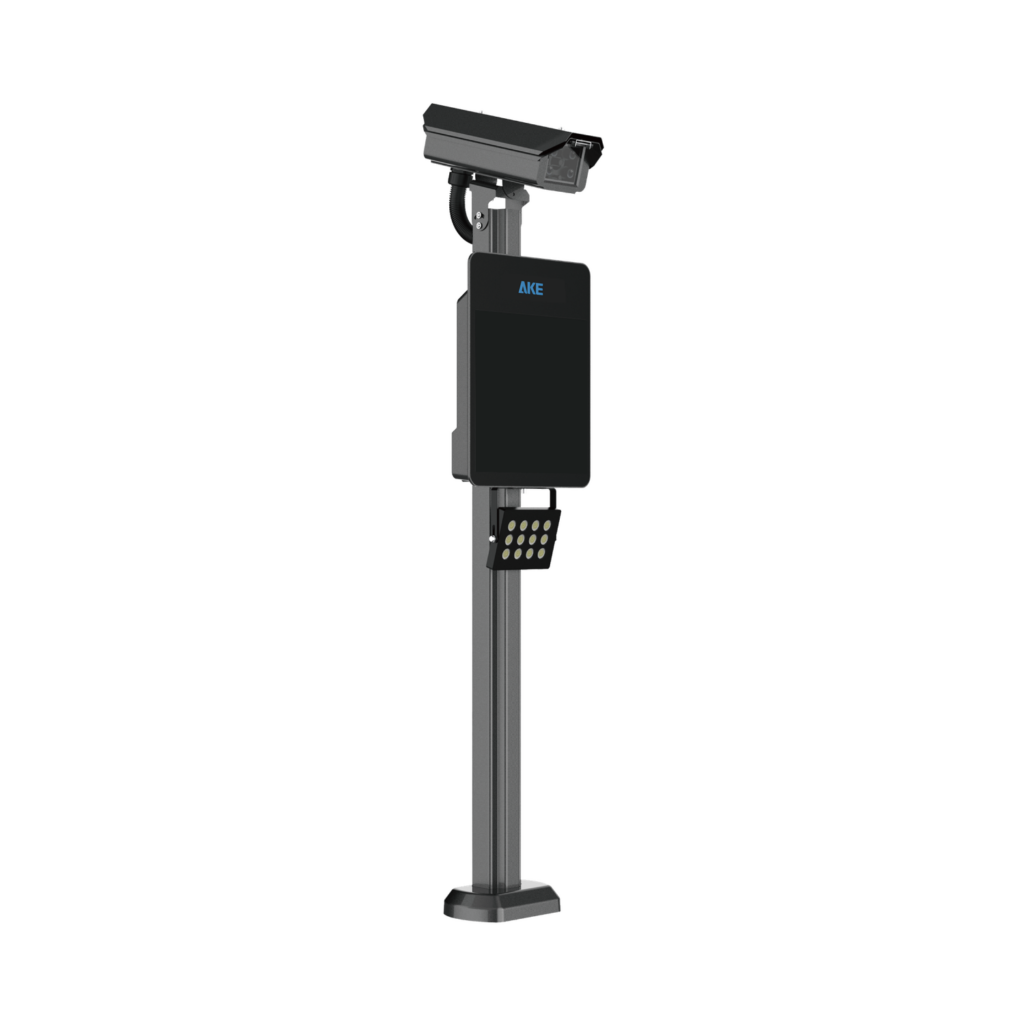
Assess three things: recognition accuracy across local plates, resilient hardware for your climate, and clear maintenance paths. Industry practice shows that large transport hubs run realistic pilots before rollout; London Heathrow Airport deployed trials to validate ANPR performance under heavy traffic, which is a good precedent to follow. My team’s field experience and standards referenced in transport studies support looking for certified optics, edge processing so cameras don’t lag the server, and an architecture that allows modular upgrades. For a focused comparison, check an anpr parking management system to see how camera, barrier and middleware are bundled and tested together.
Common mistakes during production and installation
Expect errors where planning is thin. Typical mistakes: installing cameras at a single height (they must cover varied vehicle profiles), assuming default recognition settings will suit local plate fonts, and skipping load testing during peak hours. Contractors also underestimate cabling routes; a short trench cost can balloon when rework is needed. Avoid these by insisting on site-specific acceptance tests and a documented fallback process for power or network disruptions.
Evaluating alternatives without fluff
There are three practical paths: barrier-plus-ticketing, camera-led recognition with barriers, or sensor-only solutions for private lots. Barrier-plus-ticketing is simple and cheap for low turnover. Sensor-only suits reserved or low-security lots. Camera-led recognition wins where throughput and contactless entry matter, but it demands careful specification and upkeep. Choose by matching the path to vehicle volume, security needs and maintenance capacity — that trade-off decides long-term cost and effectiveness.
Clear outcome and where to look for proven delivery
Start by defining what you must fix: speed of entry, unauthorised access, or revenue leakage. Specify hardware that matches local plates and climate, require staging tests that mirror peak loads, and insist on a maintenance SLA with trained technicians. For projects that need a tested blend of cameras, barriers and support, experienced suppliers often supply the practical balance of components and service — for many sites that want measured, predictable outcomes this is how teams arrive at a working system with AKE Parking.
