


Introduction: The Moment You Need a Lighter Wall, Fast
Picture a site walk at sunrise. The lobby feels heavy, and the crane window is closing. Your engineer brings up honeycomb aluminum panels as a fast way to drop weight and speed the schedule. Data says these panels can cut dead load by more than half on many façades, and often reduce fixings too. Yet the team hesitates. Will it be flat enough? How about long-term joints, or acoustic comfort during rush hour?

This is a common scene in Korea and beyond (괜찮죠?). We see specs list thickness, color, and price. But real outcomes live in stiffness-to-weight, edge detailing, and install sequence. If these are off, costs jump later. If they are right, the job goes smooth. So, what are we missing, and how do the trade-offs shift under real site pressure? Let’s move carefully, and compare with a clear eye—step by step. Now, let’s move into the core issues that hide behind simple datasheets.
Deeper Look: Where Traditional Fixes Create New Problems
Why do the old fixes fall short?
Many teams start with thicker solid sheet or a denser composite. Look, it’s simpler than you think: more mass alone does not stop oil-canning or edge bow. Stiffness depends on section depth and core action. Without a smart core, you chase flatness with weight—funny how that works, right? A true sandwich increases bending stiffness by spreading skins apart, while the core resists shear. That is why shear modulus, not just thickness, matters. With conventional fixes, you often get higher load but similar deflection, plus more anchors, more labor, and thermal bridging through heavy frames.
Legacy stacks also hide risk at the bond line. If the core-to-skin bond has low peel strength, small temperature swings and moisture cycling can start micro-separation. Then panel flatness drifts over time. You see more shimming. More callbacks. Service crews chase L/240 deflection targets after handover, not before. Add thermal expansion, and joints walk. Some systems need oversized gaps, which hurts aesthetics. Others tighten gaps and build stress. Either way, the problem moves—not solved. Better to ask early: What is the torsional stiffness of the panel, how is the adhesive film qualified, and how is thermal bridging minimized at brackets?
Forward Look: What Changes When the Core Gets Smart
Real-world Impact
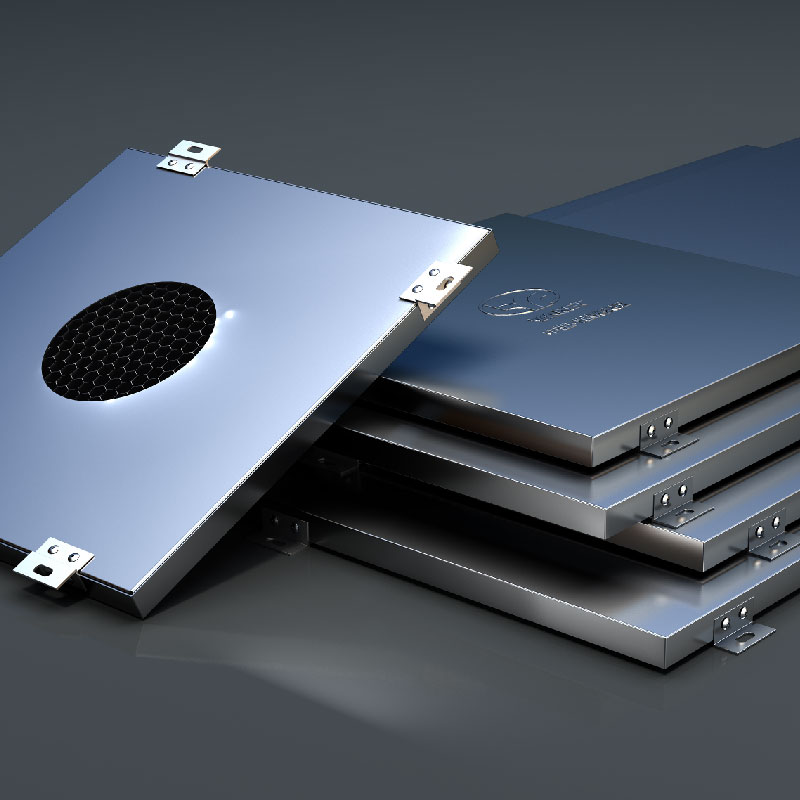
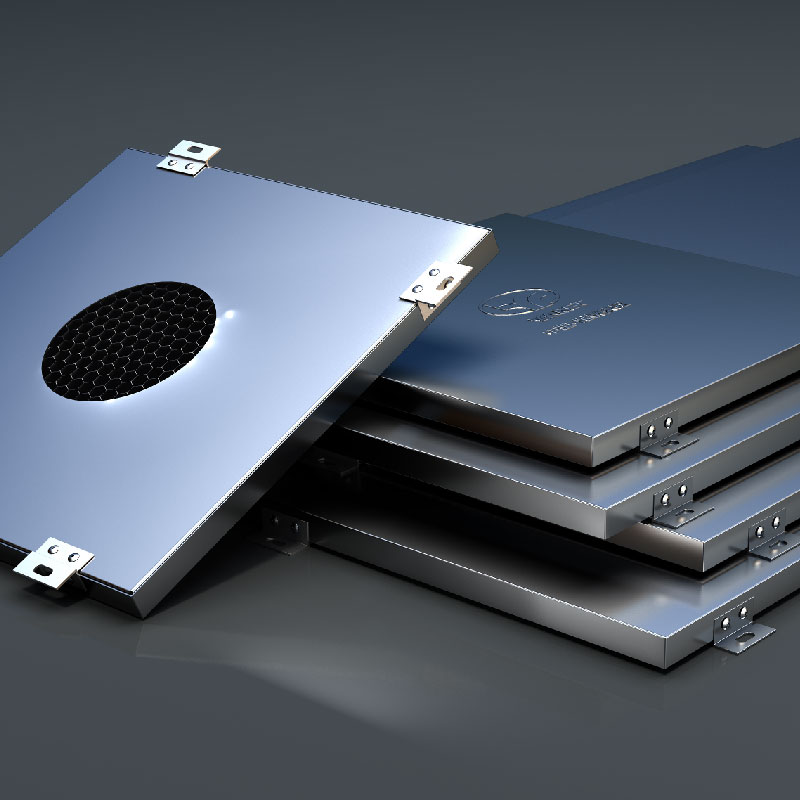
Consider a transit hub upgrade using an aluminum honeycomb sandwich panel in place of heavy sheet and secondary studs. The team cut panel weight by about 60%, trimmed anchors by a third, and reduced crane picks to zero—small crew, faster rhythm. Because the honeycomb core carries shear well, skins stay in tension and compression as intended. That keeps deflection down for the same span. Acoustic comfort improved too, as the assembly gained damping with less rattle at joints. And because brackets ran through thermal isolators, the façade reduced heat loss. Simple swaps, but the system effect is big (and visible on the punch list).
What’s next is a cleaner way to choose. Let’s keep it practical with three metrics. First, stiffness-to-weight: ask for EI per square meter and compare to mass. Second, durability of the bond: request peel strength after humidity and thermal cycling, plus a clear core-to-skin bond spec. Third, enclosure performance: check fire rating, R-value, and rain-screen pressure equalization details. When those three align, installation gets predictable—costs do, too. If you need a reference point for options and specs, consult a reliable source like yaret for category baselines, then adapt to your project constraints.
