



A Direct Start: Stages, Data, and Decisions
Precision now drives the show. Laser Light Systems set the pace for concerts, esports, and city festivals, where timing is tight and expectations are higher than the truss. In the world of laser light manufacturing, delays, misalignment, or flicker can cost a headline moment. A recent field audit across touring rigs showed a 14% dip in uptime when fixtures weren’t calibrated for heat and dust, and crews logged an extra 90 minutes per night for emergency tweaks—mamma mia, that stings. You feel it in beam stability, in the noise from tired power converters, and in the way galvanometer scanners drift under load. So, the question: are we pushing the right design principles, or just pushing harder?
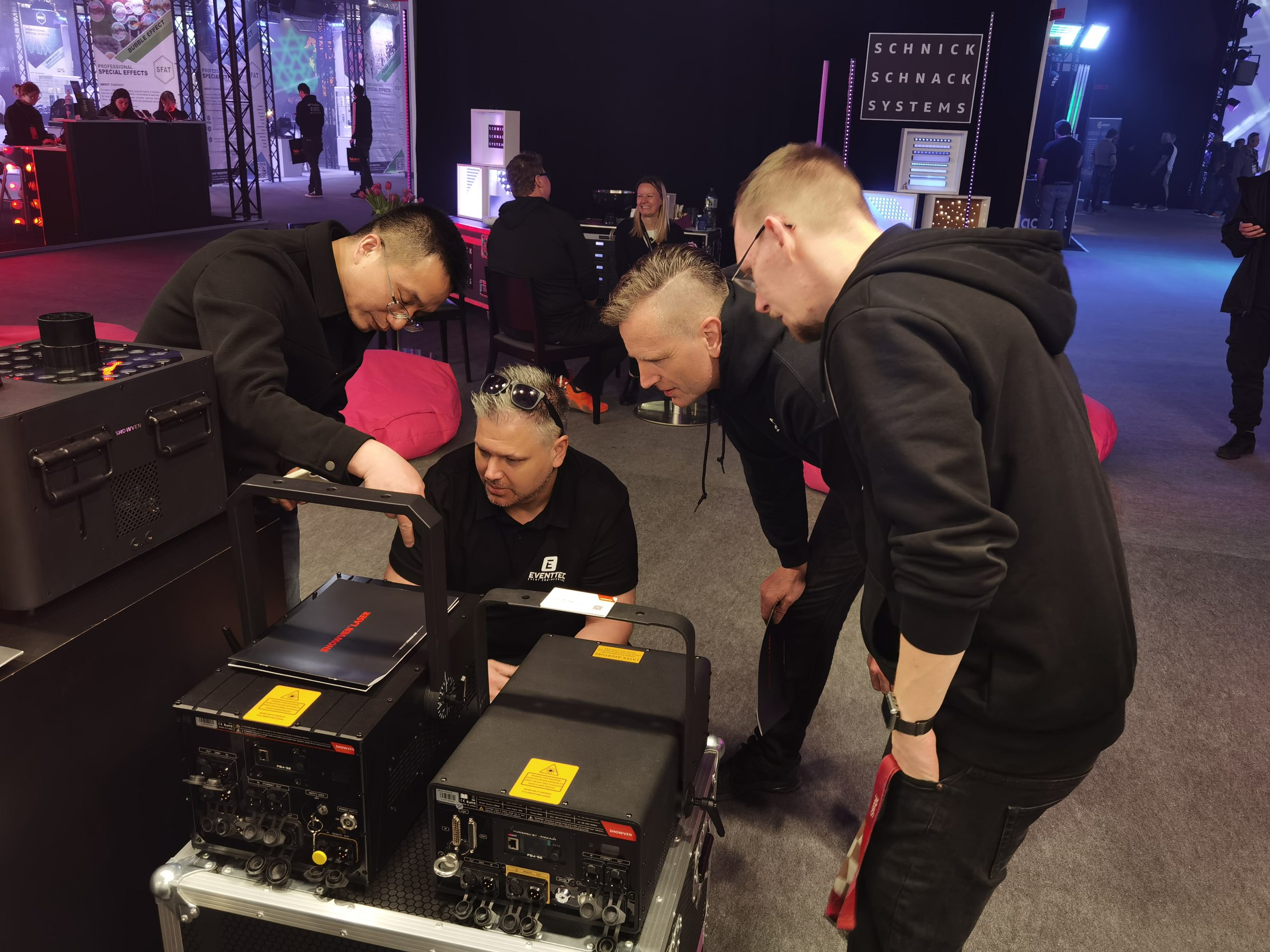
Here is the rub. Traditional choices chase brightness at all costs, yet the audience judges smooth fades, razor shaping, and safe, repeatable cues. Edge computing nodes can now sit near the stage to pre-validate frames, reduce latency, and flag thermal risk before it blooms (small moves, big confidence). But do our buying habits match that new reality—or do they still mirror the old catalogue spec sheet? Let’s move from the hype to the heart of it, and compare what really matters next.
Under the Hood: Where Legacy Methods Struggle
Where do legacy methods fall short?
Technically speaking, older build flows treat optics, cooling, and control as separate islands. Look, it’s simpler than you think: when the optical path, heat sinks, and drivers are designed in isolation, you see compound errors during long shows. Beam divergence creeps. Scanners hunt. Power supplies sag. And safety interlocks become the scapegoat when the real culprit is thermal stacking—funny how that works, right? In classic lines, fixed-duty drivers and dated DSP blocks cannot adapt to sudden content spikes. So the fixture passes a quiet lab test, then chokes on dynamic festival cues.

The pain points hide in the gaps. Maintenance windows shrink, but calibration workflows still assume a workshop, not a muddy load-in. Field crews need modular parts, not mystery screws. FPGA controllers help, yet without telemetry at the fixture—temperature, current, and scan angle per frame—the best tools go blind. And the old “more wattage equals better” myth? It ignores scan efficiency and mirror inertia. A leaner system with smarter drivers, tuned heat pipes, and closed-loop scanner feedback can outpace a brute-force box in real life. This is where modern laser light manufacturing must step up: integrated design, data-aware control, and serviceable modules that respect the road.
Comparative Insight: Principles That Change the Game
What’s Next
Let’s compare old habits to new principles. Legacy rigs buffer frames in the console and throw them downstream, hoping the fixture copes. Newer systems pre-process at the edge—tiny controllers or edge computing nodes near the truss validate geometry, rate-limit risky segments, and optimize scan trajectories on the fly. That shift, paired with adaptive power converters and intelligent thermal maps, smooths output without blunt throttling. In practice, an integrated control loop (scanner feedback + driver current + optic temperature) keeps geometry tight as content heats up. When you pair this with calibrated optics and low-inertia mirrors, you cut artifacts before they bloom. It feels more musical, più umano, even in hard EDM cues.
Case to case, you’ll see the change: content looks cleaner at lower wattage because the system wastes less in heat and mis-scan. And service? Swappable modules and self-test routines slash mean time to repair. For buyers eyeing professional laser lights, the takeaway is practical—ask how the fixture learns, not just how bright it shouts. Summing up: we moved from raw lumens to controlled performance; from isolated boards to coordinated subsystems; from “hope it holds” to health telemetry you can act on. Advisory notes as you shortlist solutions: (1) Measurement depth—look for live telemetry of current, temperature, and scan position per frame. (2) Control intelligence—seek adaptive drivers, FPGA or similar logic, and thermal-aware profiles. (3) Service readiness—modular design, documented spares, and field-calibration tools that a small crew can use—because the clock never stops, eh? For a deeper look at the craft and the people behind it, see Showven Laser.
